

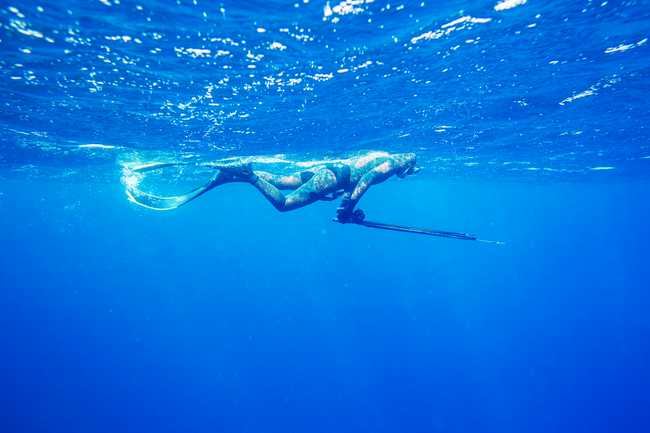
Getting into spearfishing is a unique journey that will challenge you in new ways. This underwater sport requires both physical and mental conditioning, and while it's not too extreme, it certainly comes with some risks.
When you're looking into spearfishing for beginners, you'll be learning a lot about freediving, spearguns and fins. To be successful as a spearfisher and have a good time though, you'll need to know how to stay safe. Spearfishing takes place in a relatively unfamiliar environment where you're not in your natural element and so risks you've never considered before will crop up.
When you understand how to spearfish safely, this whole world opens up to you. You'll be able to spearfish for your dinner, gain greater freediving skills and know what to do if something goes wrong. There are some factors though. By preparing for first aid situations and planning correctly, you can embrace spearfishing worry-free.
Keep reading to learn about staying safe while spearfishing and start in this sport without, you know, shooting yourself in the foot.
1. Freedive Training
Freediving is the act of swimming at depth with only one lungful of air. Some expert freedivers even do exhale dives, where they dive on empty lungs. While we can all hold our breaths to some extent, your body experiences different physiological processes when under pressure. This is the mammalian dive reflex and allows us, and other mammals, to spend time underwater without breathing.
As a spearfisher, you'll be moving at a pressure greater than usual. The deeper you go, the bigger the risks are for your body. Everything from sudden movements to exhaling before you surface can have serious consequences. By training as a freediver, you can reduce these risks and keep you and your dive buddy safe.
2. First Aid Training
Spearfishing carries inherent risks and while it's not an overly dangerous sport, first aid training is useful. With objects like spears and dive knives as well as environmental dangers like sharp coral, it's important you can deal with injuries if they arise.
On a dive boat, it can take much longer to reach medical professionals, so first aid training can help bridge the gap as you make your way to shore. It's a good idea to have a first aid book in your gear on the beach or on board the boat too.
3. Preparation
Preparation is key to not just spearfishing, but spending time on and in the water in general. There are plenty of factors involved in the preparation and many will depend on your situation, the weather and the location you're diving in.
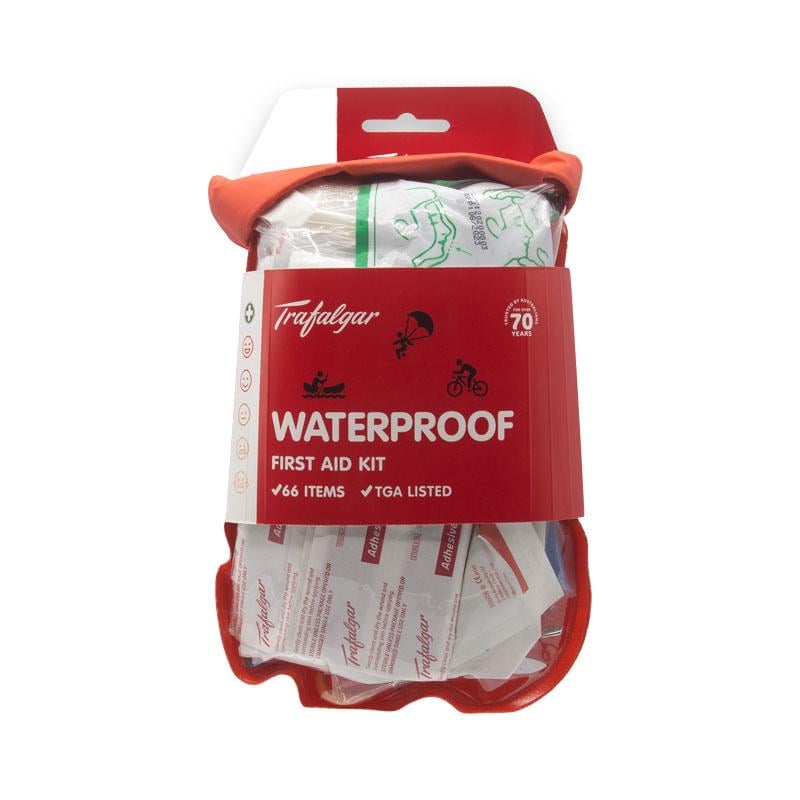
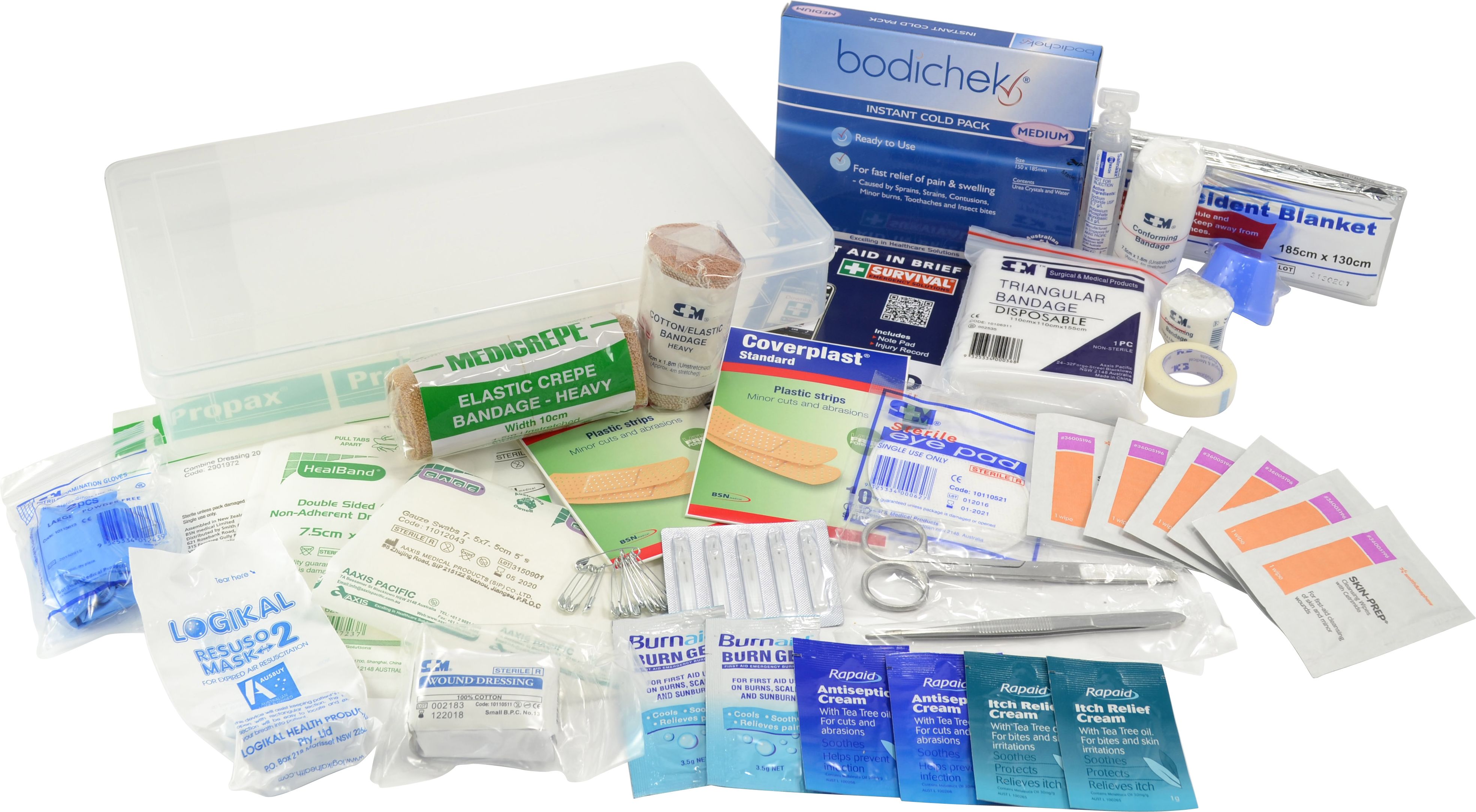
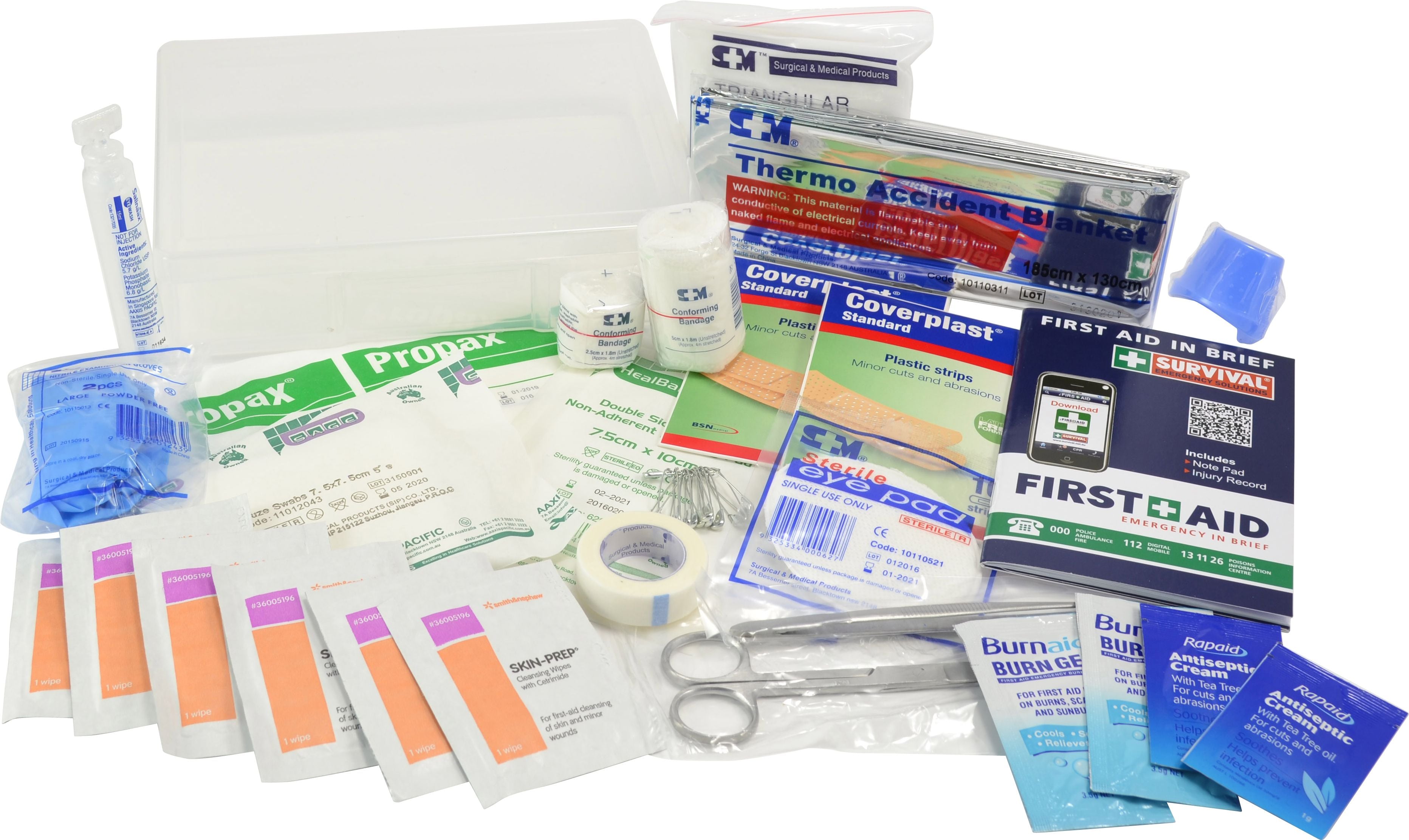
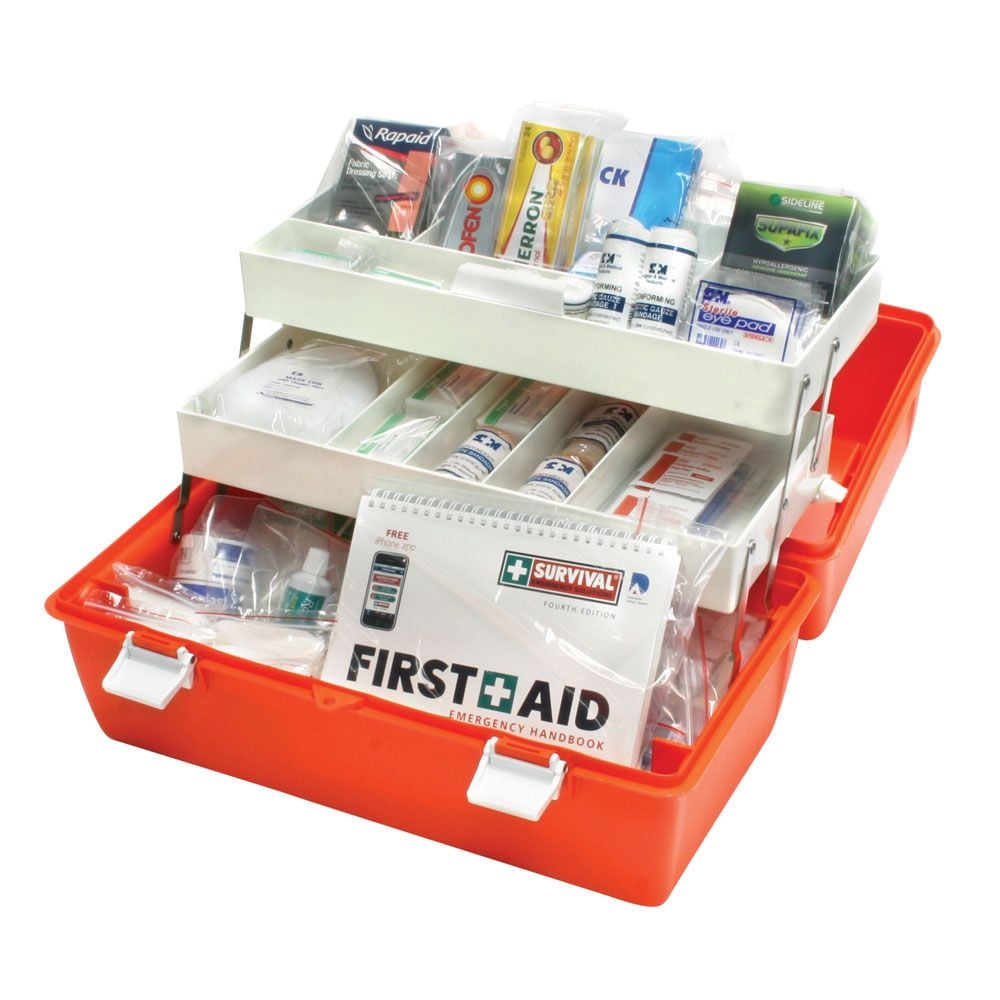
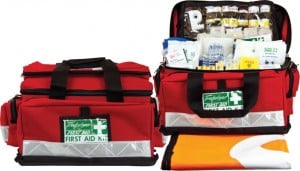
Taking a first aid kit will be the number one priority. Even the smallest of cuts can get infected, so having the appropriate supplies is crucial.
Stocking up on sunscreen, snacks and water is also important. Dehydration can be a serious problem for freedivers due to the effects on your body underwater.
Preparation will include checking weather and sea conditions as well as tide times and currents.
4. Patience
Risks increase when you rush or get frustrated and you don't need any more risks when you're spearfishing.
Patience will be your greatest friend when spearfishing and you should be comfortable with going home empty-handed. When you aim for mindful diving and spearfishing, you'll avoid frustration and have a much safer and more enjoyable time.
5. Buddy Up
If there's a single piece of advice for staying safe when spearfishing, it's to always go with a buddy. We're only human and can't remember everything all the time, so having a dive buddy means you can both make sure you're safe. Dive buddies should stay on the surface to make sure you come up on time as this prevents a fatal shallow water blackout.
You and your dive buddy should both train as freedivers so you can rescue each other safely if necessary.
6. Risk Assessment
Risk assessment sounds boring but we're not saying you need a spreadsheet and a hard hat. Having a mindful approach to potential dangers each time you go out can nip problems in the bud before they escalate.
Risks could be anything from water visibility and deteriorating weather to large fish and sharks. Knowing what risks you might face is the key to staying safe and aware. Risks aren't confined to spearfishing and understanding how to stay safe on a boat is equally as important.
A personal risk assessment is a good idea too. If you have a medical condition or allergy, wearing a Mediband alert bracelet will let any rescuer know what to watch out for.
7. Timekeeping
When you're freediving, it's common to feel calm and at one with your surroundings thanks to your breathing and the mammalian dive reflex. While this is lovely, it's not so great for managing risk.
When you're hunting a fish underwater, it's surprisingly easy to lose track of the time you've been down. Having a dive watch recording your time and understanding how long you can hold your breath for is essential. Dive watches should come with audible alarms to warn you when you've reached your halfway point.
8. Speargun Maintenance
From rust to rubber degradation, spearguns aren't invincible even if they are simple. Taking steps after each dive to clean and grease your speargun will keep it in good shape. Before you go spearfishing, you should also check the state of the line and the rubber sling to ensure they're still safe to use.
9. Know Your Weight Belt
If you do get into trouble underwater and need to surface quickly, dropping your weight belt will allow you to reach the surface much faster. Weight belts should come with quick release systems that you should be able to activate by touch alone.
It's also a good idea to double-check you're carrying the right weight. Too light and you'll expend more energy diving, too heavy and you'll use more energy getting to the surface.
10. Dive With a Float
Divers are invisible the moment they head underwater and with black and camouflage wetsuits, they're almost invisible on the surface too. To stay safe from other watercraft, having a dive float can be a lifesaver. Marking your position as obviously as possible will alert other people that there are divers in the area and no one wants to be run over by a jet ski.
Spearfishing for Beginners Doesn't Have to Be Risky
Spearfishing for beginners is a safe sport if you use common sense and pay attention to your surroundings. Patience and preparation will get you far and taking it slowly when you're new will help reduce risk.
Taking a short course in freediving and diving with a buddy will keep you safe in unexpected situations. By keeping on top of your equipment, energy levels and time, your spearfishing sessions will be fun and relaxed.
With a comprehensive first aid kit in your spearfishing supplies, you'll always have the right products on hand in the case of an injury. From bandages to antiseptic, check out our first aid kits so you're always prepared.
Marine, Boating & Spearfishing First Aid Kits
Waterproof and AMSA-compliant kits for spearos, boaties, and anyone heading out on the water.