


Written by the MediBC First Aid Team · Checked against healthdirect Australia hypothermia guidance · Updated October 2026.
Hypothermia is a medical emergency. If you suspect someone has hypothermia, call 000 and ask for an ambulance, follow DRSABCD and stay with them until help arrives. This page is general first aid information, not a substitute for medical care.
Hypothermia happens when the body loses heat faster than it can make it, and core temperature drops from its normal level of around 37 degrees C to below 35 degrees C. A core temperature of 32 degrees C or lower can be life-threatening. It is not only an alpine problem. In Australia, hypothermia is seen after time in cold water, in wet and windy weather on bushwalks and boats, in older people living in cold homes, and in anyone who is wet, injured or affected by alcohol. Because it can come on slowly, the person often does not realise they need help.
Quick answer: hypothermia first aid
Call 000. Move the person somewhere warm and dry if it is safe, lie them down and keep movement to a minimum. Remove wet clothing and warm the head, neck, chest and groin with blankets, wrapped hot water bottles or body-to-body contact. Give warm drinks if they are fully alert, but no alcohol. Do not use direct heat, hot baths or vigorous rubbing.
What is hypothermia?
When you get cold, your body fights back: you shiver, breathe faster, tense your muscles and get goosebumps, and your heart moves blood away from the skin, fingers and toes to protect your core. Hypothermia sets in when those defences can no longer keep up. healthdirect describes a core temperature between 32 and 35 degrees C as mild hypothermia, and below 32 degrees C as severe hypothermia that can be life-threatening.
Signs and symptoms of hypothermia
| Mild hypothermia | Severe hypothermia |
|---|---|
| Cold, pale skin | Shivering may have stopped |
| Uncontrollable shivering | Slow breathing |
| Weakness | Slow heart rate and weak pulse |
| Clumsiness or poor coordination | Dilated pupils and stiff muscles |
| Confusion and drowsiness | Reduced consciousness or coma |
As core temperature keeps falling, the person may lose consciousness and their heart may go into cardiac arrest. A person who has stopped shivering is not necessarily warming up; it can be a sign that hypothermia is getting worse.
How to treat hypothermia: first aid step by step
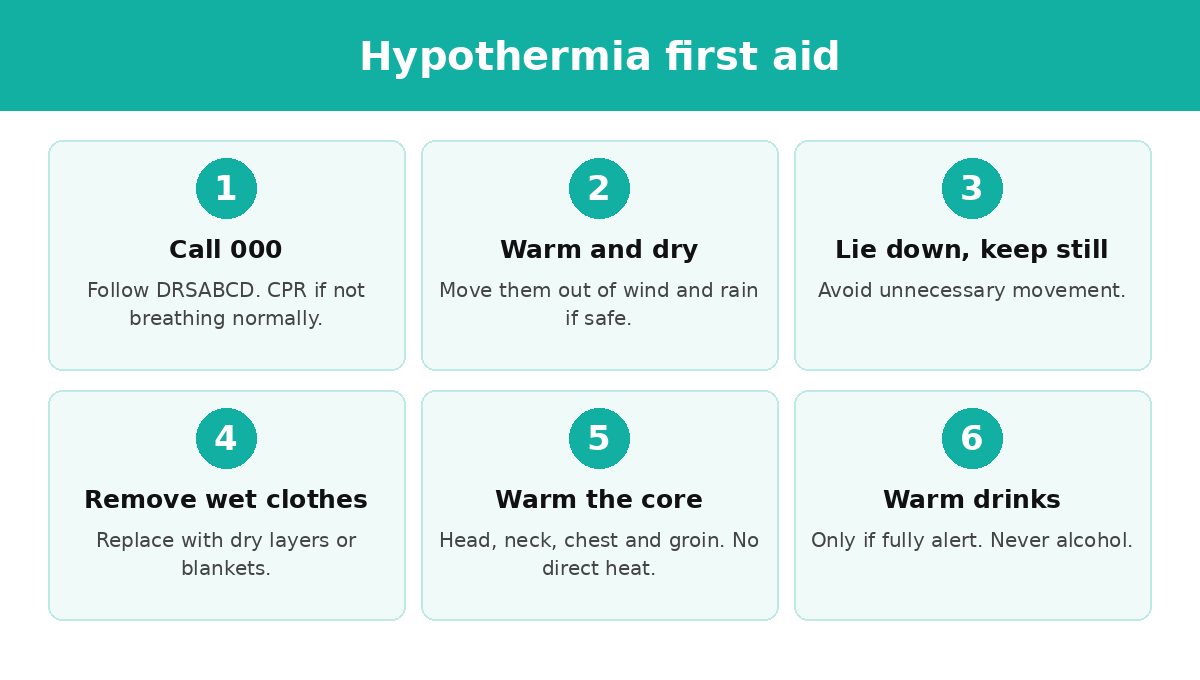
- Call 000 and follow DRSABCD. If they are unresponsive and not breathing normally, start CPR.
- Move them somewhere warm and dry, out of wind and rain, if it is safe to do so.
- Lie them down and keep them still. Avoid unnecessary movement.
- Remove wet clothing and replace it with dry layers or blankets.
- Warm the core: the head, neck, chest and groin, using blankets, wrapped hot water bottles or body-to-body contact. A reflective emergency blanket helps reduce further heat loss.
- Give warm drinks only if they are fully alert and able to swallow. Give nothing by mouth to anyone who is drowsy, confused, vomiting or unconscious, and never give alcohol.
Do not use direct heat such as hot water or a hot bath, rub the skin vigorously, or make the person move around. healthdirect explains that warming someone too quickly can lead to shock; in hospital, staff aim to raise core temperature gradually, by about 1 to 2 degrees C an hour.
What causes hypothermia?
healthdirect lists prolonged exposure to air below 10 degrees C, or water below 20 degrees C, as common causes, and notes that hypothermia can develop indoors as well as outdoors if conditions are cold enough. Being wet from any cause speeds up heat loss. Australian situations where hypothermia is a real risk include:
- falling into or swimming in cold water, including surfing, fishing and boating
- bushwalking or camping when the weather turns wet and windy
- older people in cold houses, particularly if they are immobile
- people who are injured and lying still, waiting for help
Hypothermia after cold water immersion
Cold water can cause rapid heat loss, and healthdirect lists prolonged time in water below 20 degrees C as a hypothermia risk. After a rescue from cold water, treat the person gently and keep them lying down, remove wet clothing, and warm them as described above while you wait for the ambulance. Our guide to water safety and drowning first aid covers the rescue itself.
Who is most at risk of hypothermia?
The risk is higher for older people, babies and young children, people who are underweight or in poor health, anyone affected by alcohol, sedatives or other drugs, and anyone who is wet. Some medical conditions also increase the risk, even in milder weather, including burns or skin trauma, infection or sepsis, immobility, stroke, diabetes, poor circulation and dementia. Babies and young children lose body heat faster than adults because they have less muscle mass.
How to prevent hypothermia
- Check the weather forecast before heading out, and plan for conditions to change.
- Limit time outdoors in the cold, and plan warm-up breaks if you work outside.
- Dress warmly in layers, with a wind or water-resistant jacket, gloves and a hat.
- Stay dry, and change out of wet clothes quickly.
- Avoid alcohol, caffeine and cigarettes, which can make you more sensitive to the cold.
- Ask your doctor whether any of your medicines make you more susceptible to cold.
- Cover babies' and children's heads outdoors in cold weather.
Pack an emergency blanket in every outdoor and vehicle kit: our guides to survival in the Australian outback and survival first aid kits cover what else to carry.
Cold weather first aid essentials
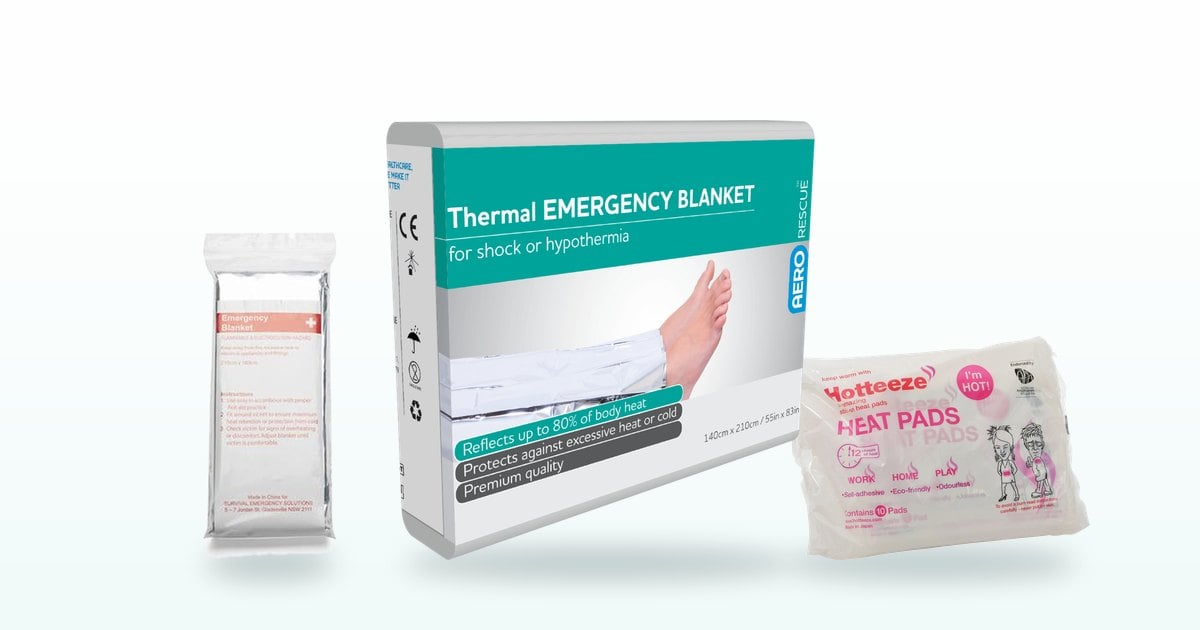
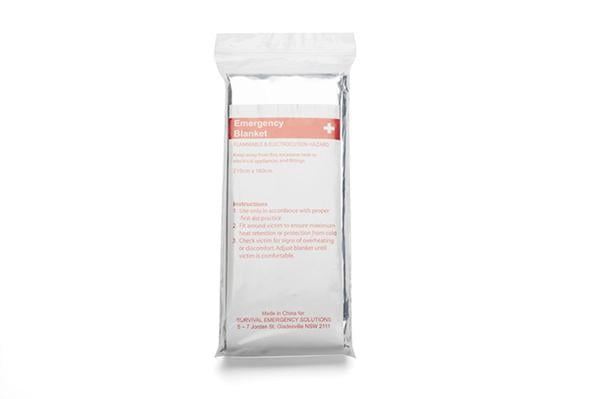
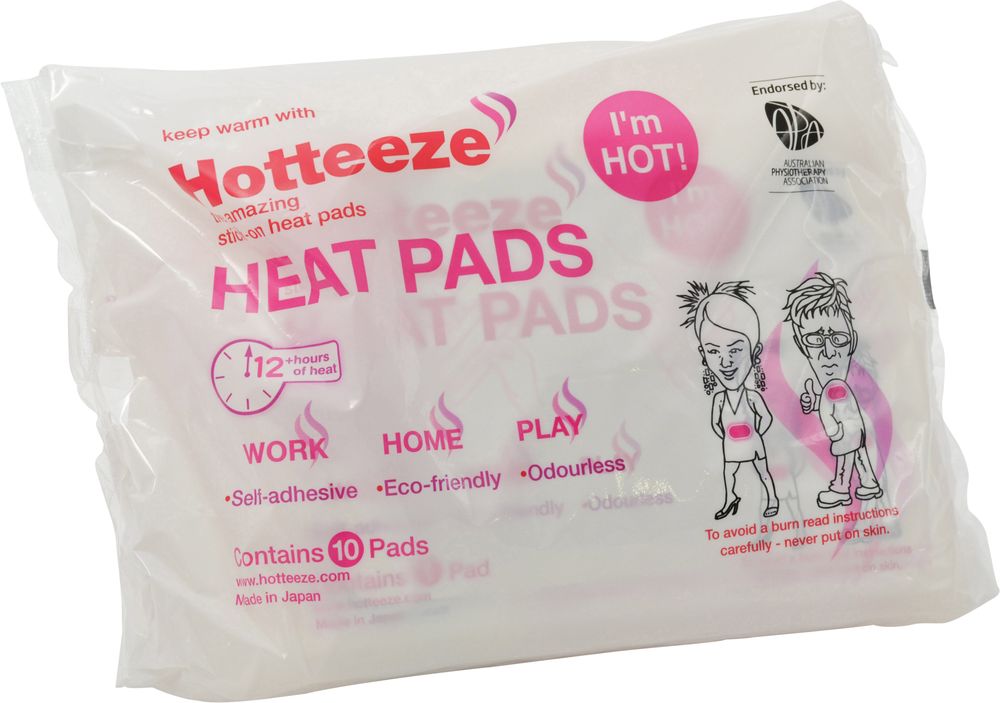
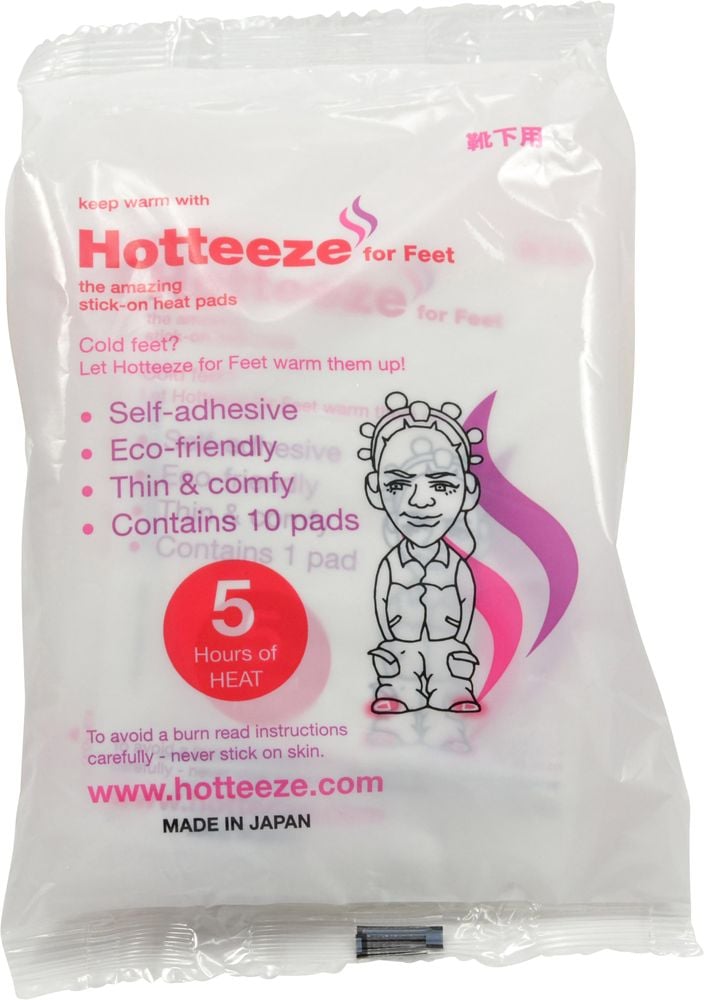
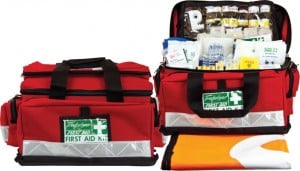
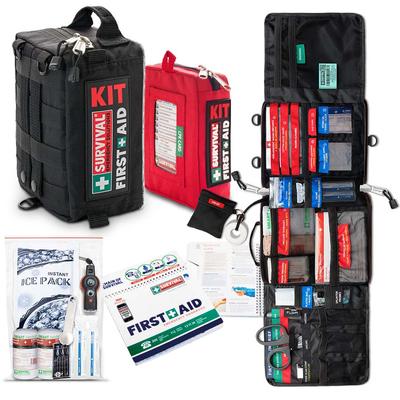
A reflective emergency blanket is light, packs small and helps reduce further heat loss while you wait for help, which makes it worth carrying in remote, boating and vehicle kits. Self-adhesive heat patches help keep you warm outdoors, but follow the pack directions, apply them over clothing as directed, and do not use them as direct heat on someone who already has hypothermia. Browse our full range of outdoor and backpack first aid kits.
Cold weather and remote first aid
Reduce heat loss while you wait for help, and stay warm outdoors.

Hypothermia FAQs
What is hypothermia?
Hypothermia is when core body temperature drops below 35 degrees C because the body is losing heat faster than it can produce it. Below 32 degrees C it can be life-threatening.
What are the first signs of hypothermia?
Cold, pale skin, uncontrollable shivering, weakness, clumsiness, and confusion or drowsiness. Severe hypothermia can cause shivering to stop, slow breathing and reduced consciousness.
How do you treat hypothermia?
Call 000, move the person somewhere warm and dry, lie them down, remove wet clothing and warm the head, neck, chest and groin with blankets or body heat. Give warm drinks only if they are fully alert.
Can you get hypothermia in Australia?
Yes. It can happen after time in cold water, in wet and windy weather outdoors, or in a cold home, especially for older people, young children and anyone who is wet or injured.
Should you put someone with hypothermia in a hot bath?
No. Avoid direct heat such as hot water or a hot bath, and do not rub the skin vigorously. Warming someone too quickly can cause shock.
What causes hypothermia?
Prolonged exposure to cold air or cold water, especially when wet. Being older, very young, unwell, or affected by alcohol or drugs increases the risk.
Related first aid guides
Keep reading: the recovery position, water safety and drowning first aid, the DRSABCD action plan and emergency stretchers and rescue equipment.