

Wound Awareness Week 2022 takes place from 15 to 21 August and is the perfect opportunity to brush up on your wound care skills.

It’s also a chance to make sure you have everything you need in your first aid kit so you are prepared to treat wounds and more.
In this article, find out more about Wound Awareness Week and how having a fully stocked first aid kit can give you peace of mind for the rest of the year!
What is National Wound Awareness Week?
Wound Awareness Week is Australia’s annual campaign to improve awareness of chronic wounds, their treatment and prevention.
It also draws attention to issues around first aid and treating wounds appropriately as they occur.
Activities that take place during the week include:
- Talking about wounds on social media
- Telling individual stories about chronic wounds using the hashtag #woundaware
- The Big Oozie Bake Off, which encourages people to hold tea parties to mark the week
What are chronic wounds?
A wound is any damage or break to the skin’s surface. It can be caused by an accident — such as a fall — surgery, a disease like diabetes or a skin condition like eczema.
There are two types of wounds: acute and chronic.
An acute wound is often the result of an accident, such as when you have a fall or cut or burn yourself. Or it could be part and parcel of surgery, when your body is opened up for a procedure.
If the wound is cleaned, dressed and cared for properly, it should go on to heal adequately.
However, a chronic wound may heal slowly or not heal fully at all. It could even recur after healing the first time.
In almost all cases, a chronic wound happens because the patient has a chronic disease that might affect either the blood supply (such as diabetes) or how the body’s cells react at the site of a wound.
Chronic wounds are more common in older people and those with limited mobility.
What are the types of chronic wounds?
The most common types of chronic wounds include:
- Pressure injuries — Also known as pressure sores and bed sores, these wounds are caused by repeated pressure on the skin. They can often be found in people who are bed-bound or have limited mobility.
- Diabetic ulcers — These can occur because of poor circulation and/or lack of feeling (nerve damage) associated with diabetes, and usually develop on the feet.
- Leg ulcers — These are wounds found on the legs between the knee and the ankle and are the result of poor circulation.
What do I need to know about treating wounds?
If a wound becomes chronic, an infection may occur at the site of the wound and has the potential to spread throughout the body.
And an untreated chronic wound may lead to amputation of the affected area in the most serious cases.
To stop wounds from becoming chronic, it’s important to know how to treat them as they occur:
- Wash your hands for at least 20 seconds with soap and water before attempting to treat the wound.
- Stop the bleeding by pressing a clean cloth or paper towel against the wound for a few minutes.
- Then rinse the wound with clean water only.
- Remove any dirt or debris with a clean, damp cloth.
- If the wound starts bleeding again, press a clean cloth against it.
- If the wound won’t stop bleeding, seek medical advice or call triple zero (000) in the case of severe bleeding.
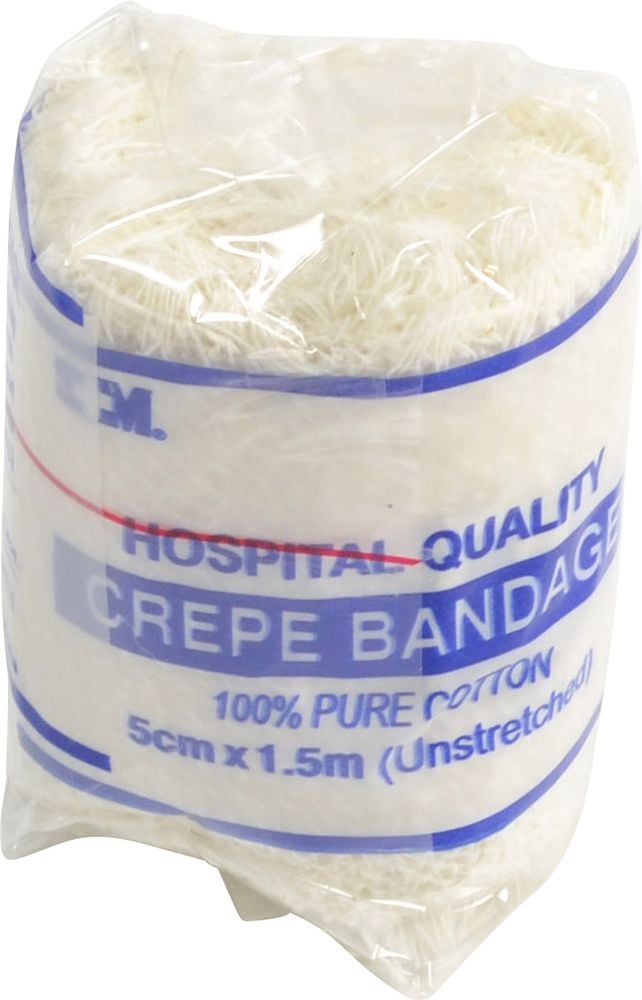
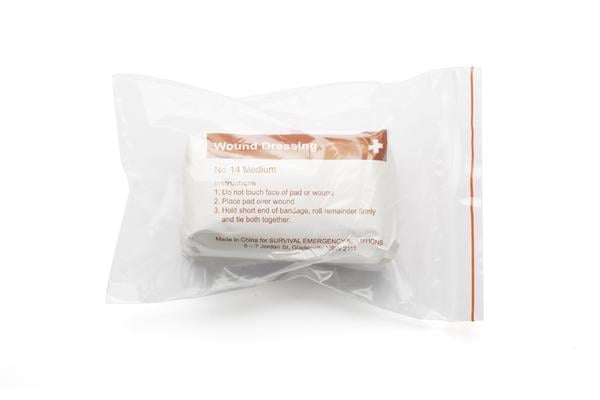
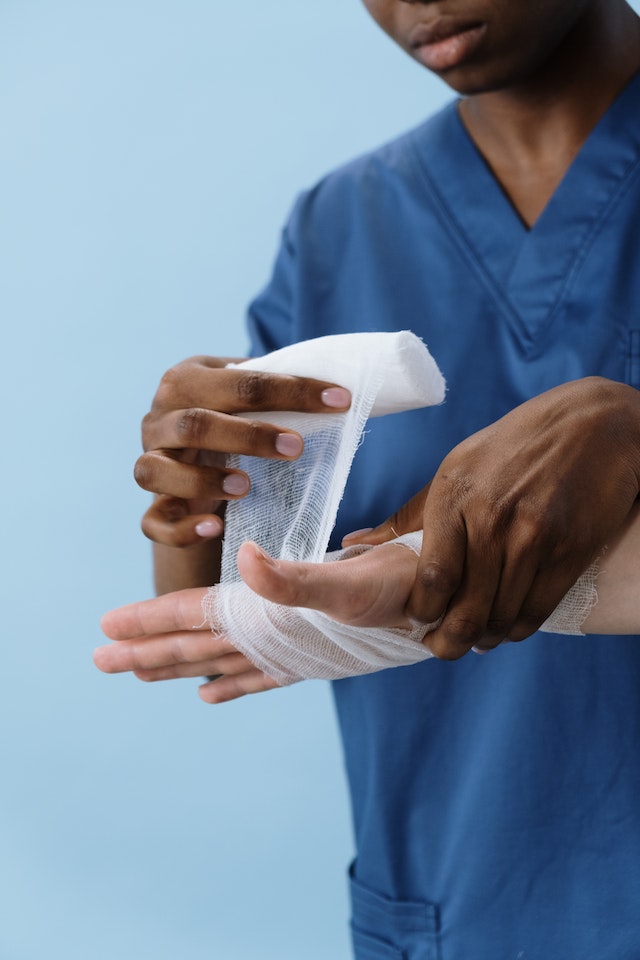
- Dress the wound with a sterile wound dressing. You can fix it in place with adhesive tape or a bandage if the patient’s skin is fragile and likely to be damaged when tape is removed.
Ongoing wound care
The wound should be covered until it is completely healed, and the dressing should be changed if it gets dirty or wet.
You should also take care to look for signs of a chronic wound. These include:
- A red, swollen, hot or very painful wound
- A wound with an unpleasant smell
- Thick, yellowish fluid around the wound
- A wound that takes a month or longer to heal or keeps coming back
If you recognise any of these symptoms, seek advice from a healthcare professional.
And remember to be extra vigilant if the patient is over 65 and/or has a chronic condition like vascular disease or diabetes.
It pays to be wound aware!
Knowing how to treat a wound and look for the signs of chronic wounds is essential to stop complications like infection.
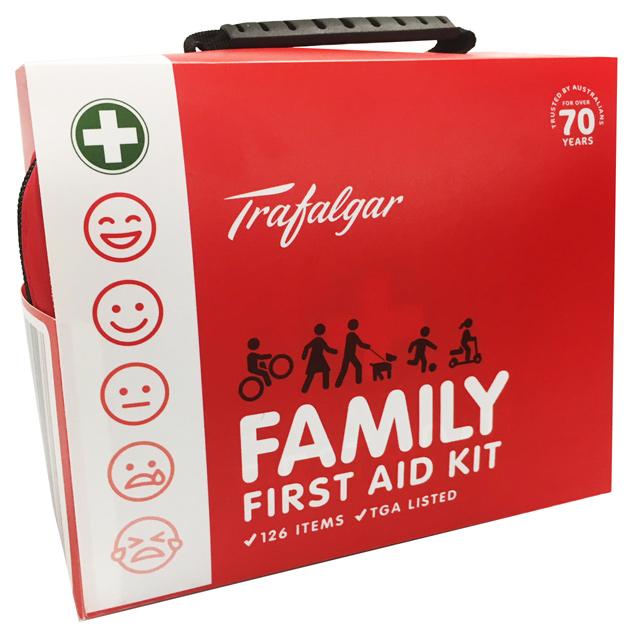
You should also ensure that you have a fully stocked first aid kit in the home or workplace so you can treat any wounds as soon as they occur, reducing the chances of them becoming chronic.
So check out the MediBC range of first aid products, including first aid kits and refills, to keep you prepared for this Wound Care Week and all the weeks to come!
Wound Care Bandages & Dressings
Crepe bandages, adhesive tape, and sterile wound dressings for everyday wound care.