



Quick answer: what to do for food poisoning
- Rest and rehydrate. Sip water often and use an oral rehydration solution (electrolyte drinks or ice blocks) to replace lost fluid and salts. Our guide to the signs of dehydration explains when it needs urgent care.
- Eat lightly once you can keep food down — bland foods like toast, rice, crackers and bananas.
- How long does it last? Most food poisoning clears in 1 to 3 days; some types take up to a week.
- See a doctor for blood in vomit or stools, a fever over 38°C, signs of severe dehydration, diarrhoea lasting more than 3 days, or if the person is very young, elderly, pregnant or immunocompromised.
- Call triple zero (000) for neurological signs — blurred or double vision, slurred speech, muscle weakness or trouble breathing.
On this page
Reviewed by the MediBC First Aid Team — July 2026.
Food poisoning comes on fast and leaves you feeling miserable, but most cases can be managed safely at home with rest, fluids and a little patience. This guide explains the symptoms, how long food poisoning lasts, how to treat it, what to eat afterwards, and the warning signs that mean it is time to get medical help.
What is food poisoning?
Food poisoning is an illness caused by eating food contaminated with bacteria, viruses, parasites or their toxins. Common culprits include salmonella, campylobacter, norovirus, E. coli and Staphylococcus aureus. Food can be contaminated at any point — during growing, processing, storage or cooking — whether you are eating out, cooking at home or travelling. "Food intoxication" is the term for illness caused by toxins the organisms leave behind, and it is treated the same way.
Food poisoning symptoms
Food poisoning symptoms usually begin within a few hours of eating contaminated food, though depending on the cause they can appear from 30 minutes to several days later. The most common symptoms are:
- Nausea and vomiting
- Diarrhoea, which may be watery or bloody
- Stomach cramps and abdominal pain
- Fever and chills
- Headache, fatigue and loss of appetite
How long does food poisoning last?
Most food poisoning lasts 1 to 3 days, but the exact length depends on the organism responsible. The table below shows typical onset and duration for common causes in Australia.
| Cause | Symptoms start | Usually lasts |
|---|---|---|
| Staphylococcus aureus toxin | 30 min – 8 hours | 1 – 2 days |
| Norovirus | 12 – 48 hours | 1 – 3 days |
| Salmonella | 6 hours – 6 days | 4 – 7 days |
| Campylobacter | 2 – 5 days | 2 – 10 days |
| E. coli | 1 – 10 days | 5 – 10 days |
If vomiting or diarrhoea lasts more than 2 to 3 days, or you cannot keep any fluids down, see a doctor — dehydration is the main risk with food poisoning.
How to treat food poisoning at home
Most cases need rest and rehydration rather than medication. Here is what helps:
- Replace fluids and salts. Sip water frequently and use an oral rehydration solution — electrolyte drinks, sachets or ice blocks — which replace the salts and minerals lost through vomiting and diarrhoea. Plain water alone does not replace electrolytes.
- Rest in a quiet, comfortable place and let the body recover.
- Manage fever. Check the temperature with a reliable thermometer; paracetamol can help if a fever develops. Keep cool with light clothing and a cool room.
- Reintroduce food gently once the nausea settles — see the next section.
Caution: do not routinely take anti-diarrhoeal medicines (such as loperamide) if there is a high fever or blood in the stool — these can be harmful with some infections. Check with a pharmacist or doctor first, and never give anti-diarrhoeals to children without medical advice.
Shop rehydration →
View home first aid kits →
What to eat after food poisoning
When you feel ready to eat, start small with bland, low-fat foods that are easy on the stomach — toast, plain rice, crackers, bananas, plain potatoes or clear broth. Add normal foods back gradually as you improve. While recovering, avoid dairy, fatty or fried foods, spicy food, caffeine and alcohol, which can irritate the gut and prolong symptoms.
★ 4.9 verified customer ratingAustralian-owned first aid supplierTrusted by workplaces, schools and clinics
When to see a doctor or call 000
See a doctor, or attend an emergency department, if any of these apply:
- Blood in vomit or stools
- A fever above 38°C that does not settle
- Vomiting that prevents keeping fluids down, or diarrhoea lasting more than 3 days
- Signs of severe dehydration — little or no urine, dark urine, dizziness, no tears or sweat
- The person is an infant or young child, pregnant, over 60, or has a weakened immune system or chronic illness
Call triple zero (000) for neurological symptoms — blurred or double vision, slurred speech, muscle weakness, tingling or difficulty breathing — which can signal a serious cause such as botulism.
How to prevent food poisoning
Good food hygiene prevents most cases:
- Wash hands with soap and water for at least 20 seconds before and after handling food.
- Keep kitchen surfaces and utensils clean, and wipe down between tasks.
- Store raw meat on the bottom shelf of the fridge, away from ready-to-eat food, to avoid cross-contamination.
- Cook food to a safe temperature and check with a food thermometer where needed.
- Defrost food in the fridge, not on the bench, and when in doubt, throw it out.
When travelling: drink only sealed bottled water, skip ice in drinks, eat freshly cooked hot food, avoid raw food you cannot peel, and be cautious with street vendors.
Food poisoning kit essentials
Keep rehydration essentials on hand to replace lost fluids and electrolytes: Hydralyte sachets, Hydralyte ice blocks and Hydralyte sachets, plus a stocked home first aid kit for everyday illness and injury.
A well-stocked kit means rehydration, hygiene and fever care are on hand the moment someone gets sick. Keep one at home and check it regularly so supplies are in date.

Hydralyte Orange Ice BlocksElectrolyte ice blocks to replace lost fluid and salts.Shop now →
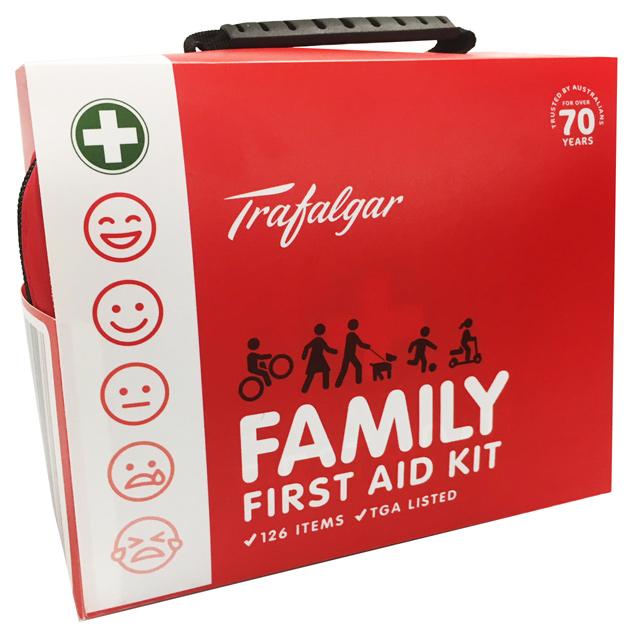
Trafalgar Family KitAll-rounder family kit for everyday emergencies.Shop now →
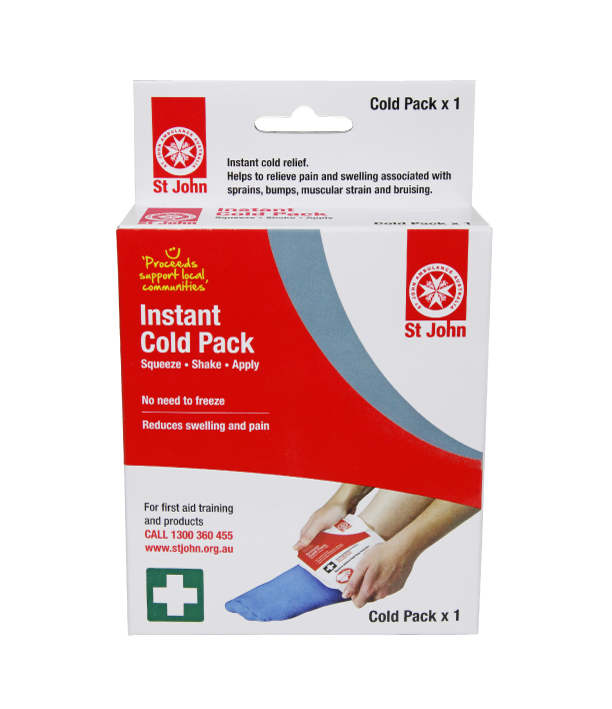
Instant Cold PackSingle-use cold pack to help keep a fever down.Shop now →
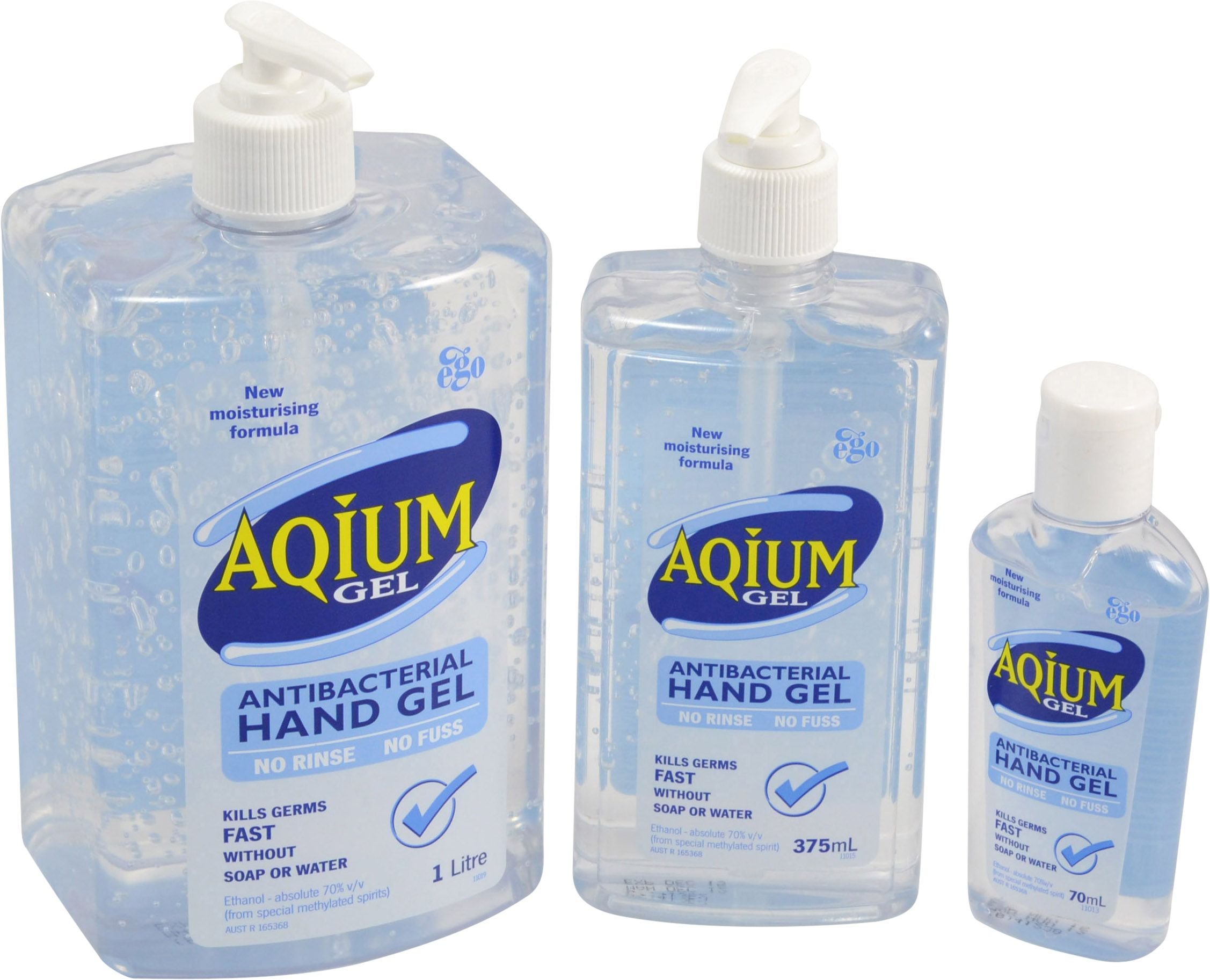
Aqium Hand SanitiserAlcohol-based hand gel to limit the spread of bugs.Shop now →
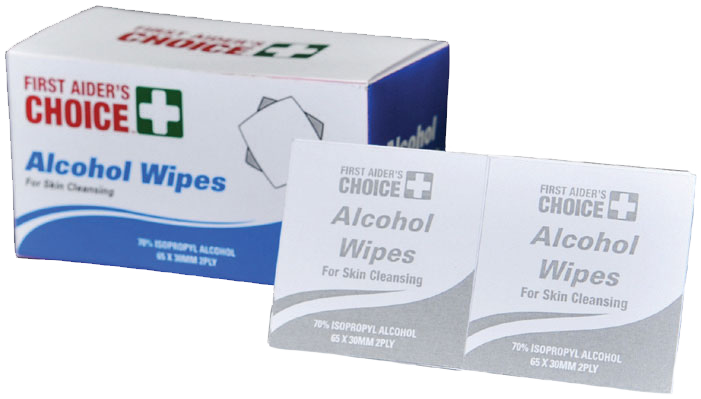
Alcohol Wipes (100)Alcohol cleansing wipes for hands and surfaces.Shop now →

First Aid Made Easy GuidePocket-sized first aid reference guide.Shop now →
For more first aid guidance, see our guides to the DRSABCD action plan and first aid for burns and scalds, and first aid for spider bites. You can also read more about food poisoning at healthdirect.
Food poisoning: frequently asked questions
How long does food poisoning last?
Most food poisoning lasts 1 to 3 days. Some causes take longer — salmonella can last 4 to 7 days and campylobacter up to 10 days. See a doctor if symptoms last more than 3 days or you cannot keep fluids down.
How soon after eating do symptoms start?
It depends on the cause. Toxin-related illness (such as Staphylococcus aureus) can start within 30 minutes to a few hours, while bacteria like salmonella or campylobacter may take 1 to 5 days to cause symptoms.
Is food poisoning contagious?
Some causes are. Norovirus in particular spreads easily from person to person and on surfaces. Wash hands thoroughly, avoid preparing food for others while unwell, and clean surfaces to limit the spread.
What should you eat after food poisoning?
Start with bland, low-fat foods such as toast, rice, crackers, bananas and clear broth once you can keep food down. Avoid dairy, fatty, spicy and fried foods, caffeine and alcohol until you have fully recovered.
When should food poisoning be treated by a doctor?
Seek medical care for blood in vomit or stools, a fever over 38°C, severe dehydration, diarrhoea lasting more than 3 days, or if the person is an infant, elderly, pregnant or immunocompromised. Call 000 for neurological symptoms.
Sources
- healthdirect Australia — Food poisoning.
- Food Standards Australia New Zealand (FSANZ) — Food poisoning and food safety.
- NSW Health — Foodborne illness fact sheets.
General information only. This guide is not a substitute for professional medical advice. In an emergency, call triple zero (000).