

You're never really "off" the job when you're a nurse. You'll clock in and out at your job every day, but you never know when you might need to help someone having a health emergency when you're away from work.
First-aid never takes a day off! It's critical to make sure you have all of the supplies you need for any medical situation, whether you work out of a nurse's room, clinic, or you're a nurse on-the-go.
What do nurses need most? Check out these nine nursing tips to stay prepared!
1. Stay Organized
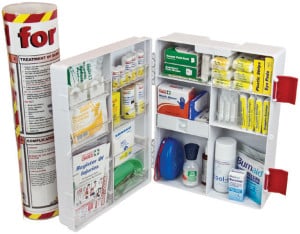
One of the most helpful tips for nursing is to keep organized. Nurses need quick access to the right medications and supplies, depending on the medical situation. If you can't find what you need to treat an injury or emergency right away, you could put a patient's health further at risk.
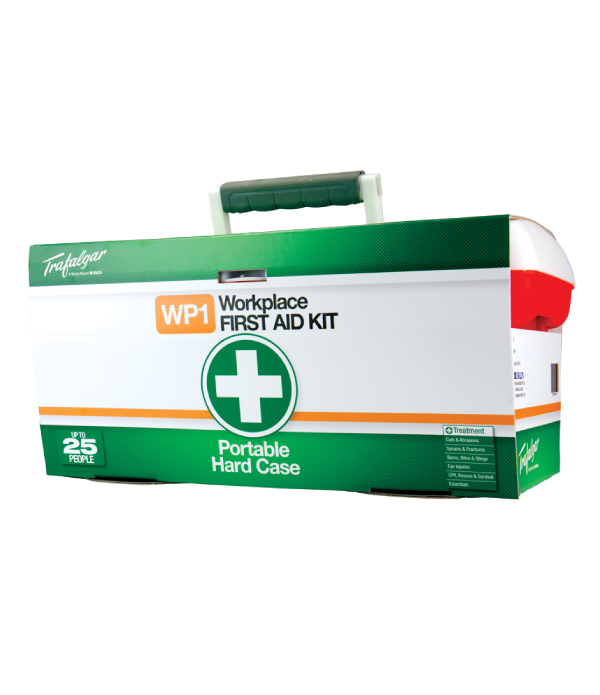
Whether it's a wall-mounted first-aid box or a portable kit, make sure it stays organized. Keep an inventory of medicine, bandages, cold packs, and other critical items in the first-aid box. After you use items to treat an injury, be sure to restock those items right away. Stay prepared for the next emergency with a full-stocked, well-organized first aid kit.
2. Prepare For the Worst
You don't need everything offered in a hospital, but you do need enough to handle a worst-case scenario that's appropriate for your work environment. Until first-responders or the proper medical personnel arrive on the scene, you must treat any illness or injury effectively.
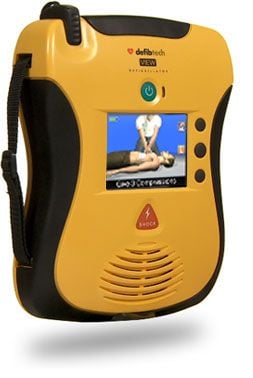
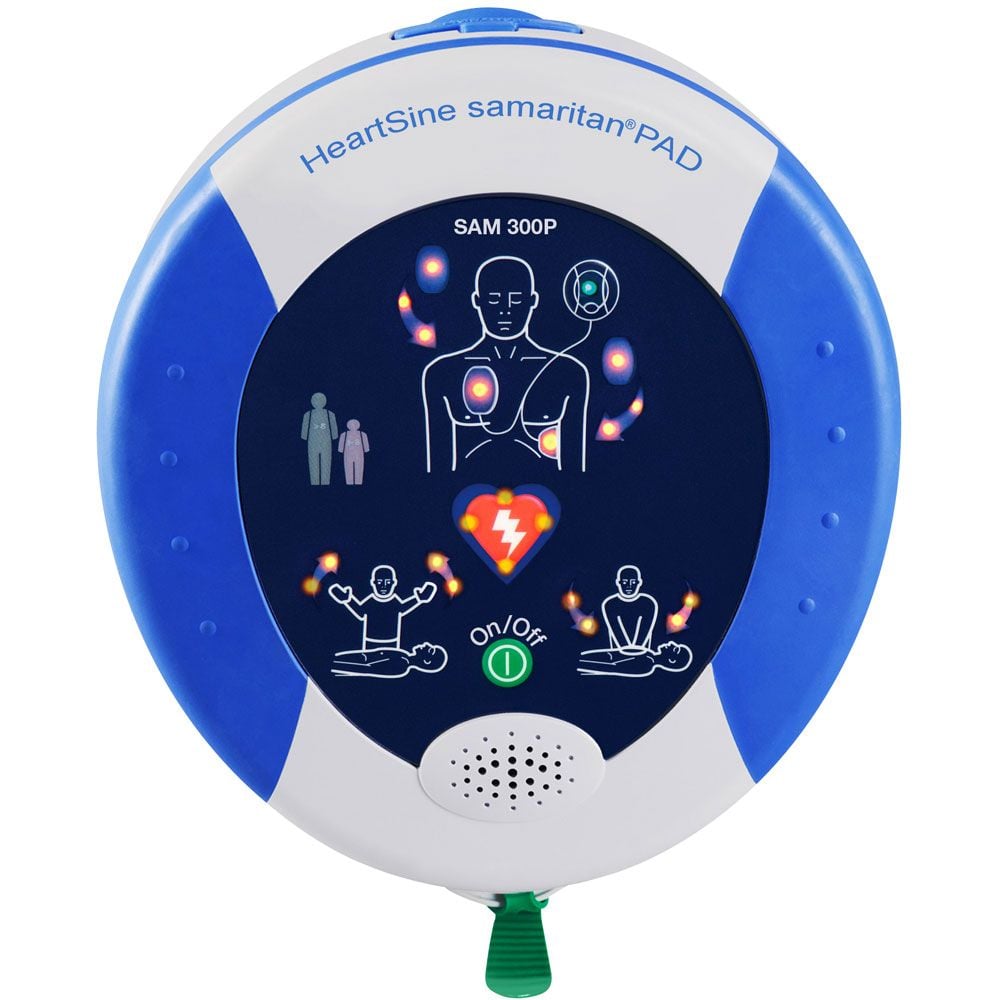
Sudden cardiac arrest is one of the worst-case-scenarios you can face as a nurse, no matter your work environment. A person can experience a heart attack anytime, anywhere. Make sure you have the right tools, including an AED (automated external defibrillator) machine.
Keeping a portable defibrillator on-hand can save a life during an emergency medical situation.
3. Get Plenty of Rest
As a nurse, you probably work long hours. Getting enough rest can be a challenge, but it's critical to be alert and focused on the job. A medical emergency requires quick thinking and the ability to assess a situation, then provide the correct treatment right away.
As you get into your working routine, set up a consistent schedule of work time versus downtime. Depending on your nursing shift, you could work overnight hours. Juggling a night shift with family and life responsibilities can be a challenge, but your job and people's lives can depend on how much rest you get.
Be diligent in reserving quality time for sleep and rest before your next shift.
4. Understand the Possibilities
Being prepared for worst-case situations is one thing, but understanding all of the possibilities of what "could" happen is a different perspective.
Make sure you know the hazards of where you work. An office environment or school is relatively safe, while a warehouse or working with employees who handle heavy machinery can present a higher risk of severe injury and accidents. If your worksite has a risk of dealing with burns, stock a first-aid kit with equipment and medication to manage burns.
5. Stay in Shape
Nurses need to move quickly and lift or carry equipment. If a person has a medical emergency and can't come to your nursing room, you'll need to carry equipment to them.
With a busy nursing schedule, it can be hard to find time for consistent exercise. However, it's critical to stay in shape to handle the demands of your job. If you can't lift a patient's head, perform CPR, or carry a portable first-aid kit to someone with an injury, you could put a life at risk.
Stay active and maintain a healthy diet to always be at your best!
6. Drink Fluids
You tell your patients to drink plenty of water. Make sure you do, too! Staying hydrated helps keep you alert and ready to jump into action when someone needs your help.
Coffee can help you get through the early morning or a late night, but don't neglect your water intake in-lieu of energy drinks or too much caffeine.
7. Ask Questions
An on-the-job injury can raise a lot of questions about what happened. Be sure to ask plenty of questions when you arrive at an injured person or if someone comes to your nurse's room for help.
Find out what happened, when it happened, and the symptoms that led to the emergency. Talk with the patient if they can speak. Find out if they have any allergies to medications or special needs that could change how you treat their injury before help arrives.
Ask others what they saw or heard before the injury. You never know when a small detail can help you better treat someone in the middle of an emergency.
8. Get To Know Your Patients
If you're the on-staff nurse for a workplace or school, do some prep work before an emergency. Get to know your co-workers or students. Learn a little about their medical history to save time in an emergency. Stock items to treat anaphylactic shock if you know someone in the building is susceptible to extreme allergic reactions.
9. Choose Tools That Work for You
If you have the freedom to equip your workspace or portable gear, choose the tools that work best for you. When it comes to first-aid kits, you have options for hard cases or soft cases. Include the equipment you need in your kit, and choose the type of case that best suits your ability to help the people in your care.
Be Prepared By Applying These Nursing Tips!
The best nurses stay prepared for any emergency. Use these helpful nursing tips to handle any medical situation or emergency while on (or off) the job.
Find all of the nursing medical supplies you need right here at Medibc.com! Shop nursing and first aid room kits, including first-aid kits, defibrillators, and more equipment to stock your nurse's room or on-the-go inventory.
Nurse & First Aid Room Essentials
Defibrillators, professional workplace kits, and CPR aids for nurses, paramedics, and first responders.