

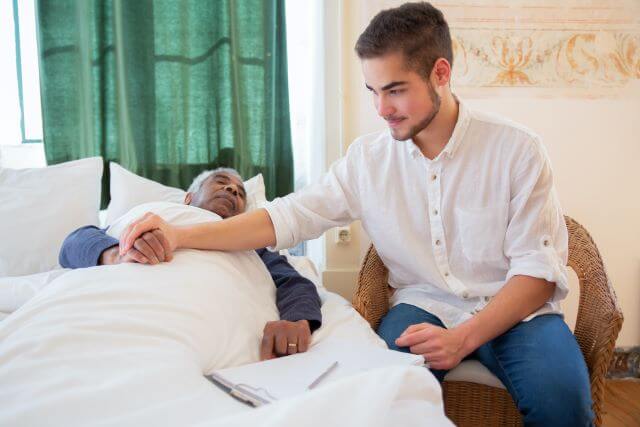
How confident are you about recognising the signs of a stroke? What should you do if you suspect one?
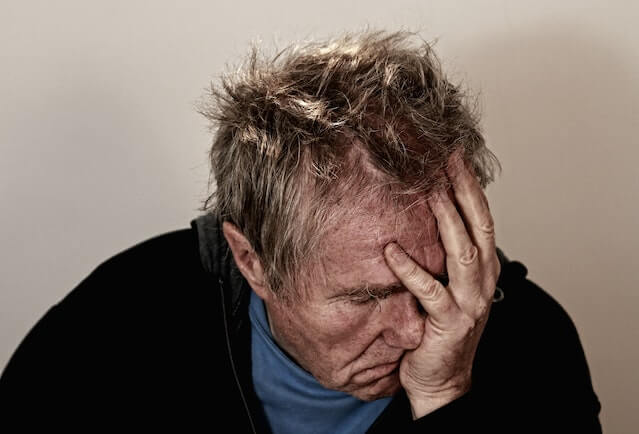
It’s vital for stroke patients to get the right care within the first hour of their symptoms showing to increase their chances of survival and reduce the risk of long-term brain damage. That’s why it’s so important to recognise the signs and know what to do.
We’re going to explore the topic in our latest blog, explaining what a stroke is and what to do if someone is having a stroke. Once you’ve read the article, you should have a good understanding of the basics of stroke and feel confident about recognising the symptoms.
What is a stroke?
A stroke refers to what happens when there is a sudden reduced blood supply to the brain. This is caused by bleeding in the brain or a blood clot.
This stops your brain getting oxygen and other nutrients from your blood and can cause brain cells to die and permanent damage to occur.
Strokes are more likely to affect older people or those with high blood pressure.
The best way to recognise the symptoms of stroke is to remember the acronym FAST:
- Face — is the patient’s face or mouth drooping on one side?
- Arms — is there weakness in the arms?
- Speech — is their speech slurred? And can they understand you?
- Time — the situation is time-critical.
If you recognise these signs, call triple zero (000) for an ambulance without delay.
Types of stroke
The two main types of stroke are ischaemic and haemorrhagic.
Ischaemic stroke is when a blood clot stops the blood supply to a part of your brain.
A haemorrhagic stroke is when the wall of a blood vessel situated in your brain suddenly ruptures and causes a bleed. This can also happen when a weak spot in the wall of an artery ruptures.
You may also have heard of a mini stroke, which is also known as a transient ischaemic attack. This happens when your brain’s blood supply is temporarily blocked.
A mini stroke may only last a few minutes and you may not even be aware you’ve had one. However, it’s still an emergency and you should dial triple zero (000) for help if you suspect one.
If you’ve had a mini stroke, you will be at increased risk of stroke in the future. The following factors also increase your chances of having a stroke:
- High blood pressure
- High cholesterol
- Diabetes
- Atrial fibrillation (an irregular heartbeat)
- Smoking
- Poor diet
- Sedentary lifestyle
- Drinking alcohol
How to help someone having a stroke
It’s essential to call triple zero (000) immediately if you think someone is having a stroke.
When you speak to the operator, say you think the patient is having a stroke. This will help paramedics and the hospital prepare to treat them.
While you are waiting for help it can also be useful to make a note of when you first noticed the symptoms and what they were. Also make a note of the patient’s other medical conditions or allergies and any medication they are taking.
You can help the patient by talking to them and reassuring them.
Encourage them to lie down on their side, with their head in an elevated position. This will help blood flow to the brain. But don’t move them if they have fallen. Loosen any tight clothing and check for any cuts they may have sustained during the fall. Use a wipe to clean the area and apply a dressing if you can reach the area.
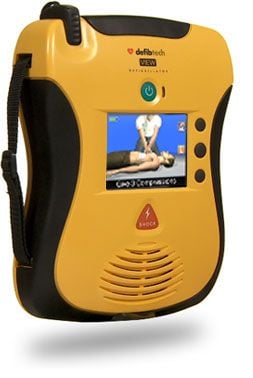
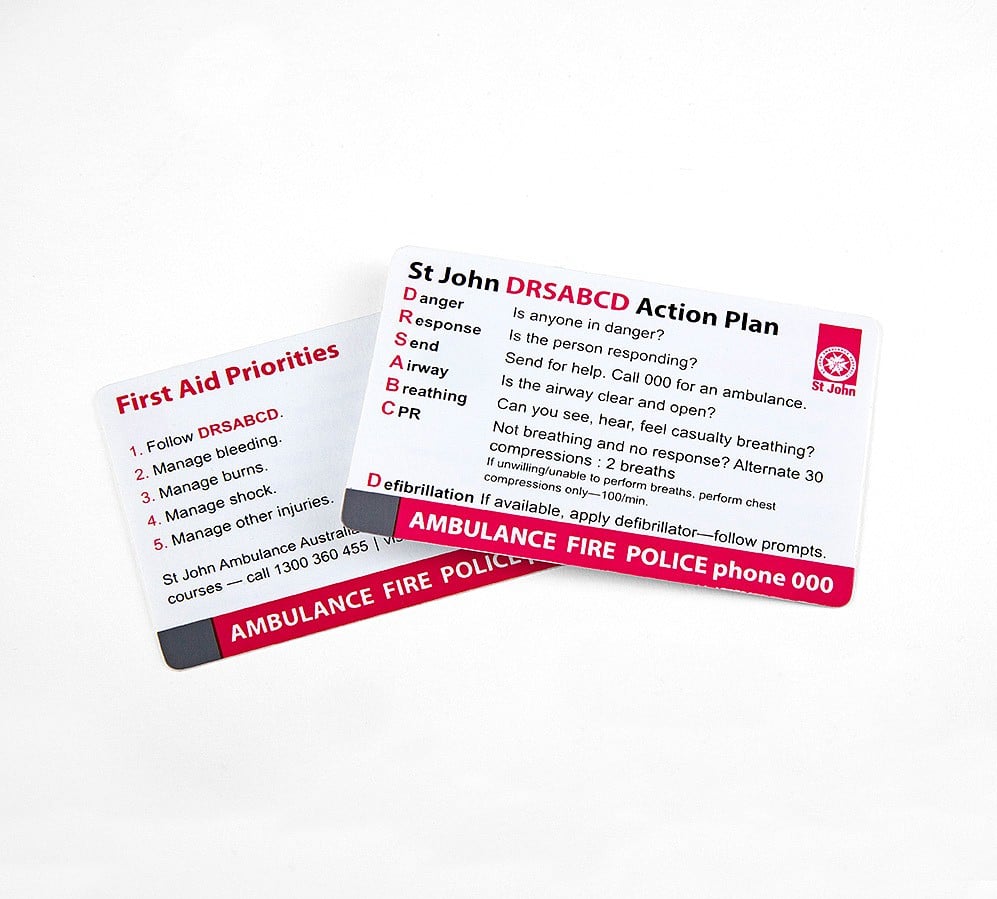
If the patient is unconscious, check their breathing and pulse. If you can’t find a pulse, you may need to perform CPR (cardiopulmonary resuscitation). If you don’t know how to do this, then the emergency operator can talk you through the steps.
Do not give the patient any medication, food or drink. Stay calm and wait for help to arrive.
Treatment for stroke
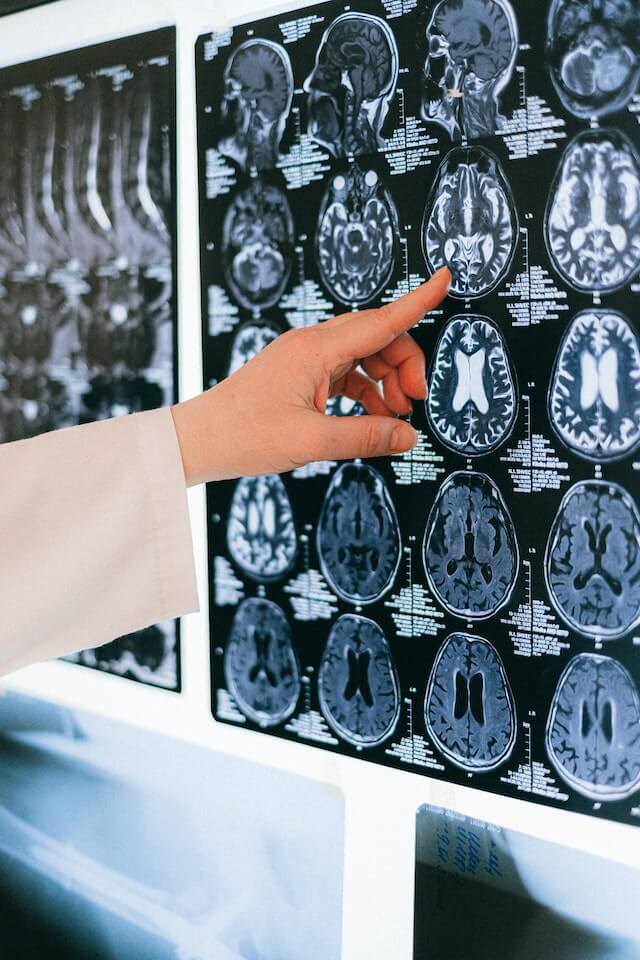
Treatment for stroke will depend on its cause. For ischaemic strokes, the patient may be given medication to dissolve the blood clot and thin the blood. The clot may also be removed in a procedure called endovascular thrombectomy. Here, a catheter is passed into a blood vessel from the patient’s groin to their brain and used to locate and remove the clot.
For haemorrhagic stroke, treatment could involve getting the patient’s blood pressure under control, surgery to relieve swelling in the brain or surgery to repair the ruptured blood vessel.
In both cases, rehabilitation may also be needed to help the patient regain mobility, speech and other functions.
Act quickly for the best outcome
The key to helping someone having a stroke is to be able to recognise the signs so you can act quickly — as we’ve seen, time is of the essence when it comes to getting the best outcome for someone experiencing a stroke.
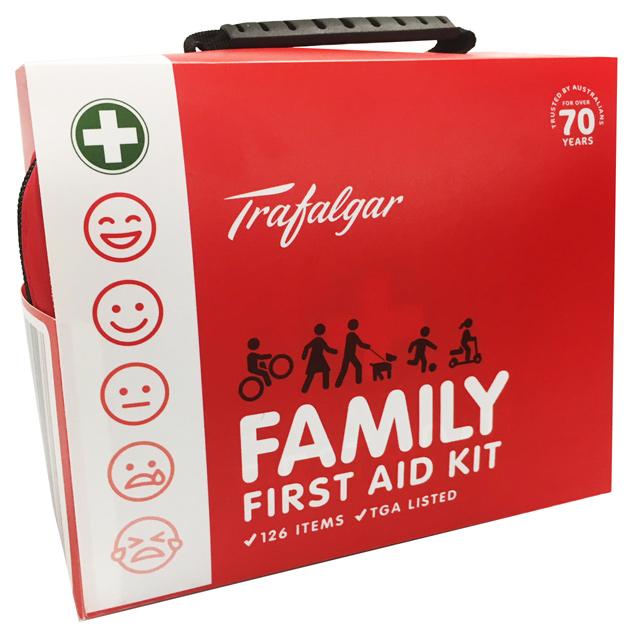
It’s also useful to have a first aid kit at home so you can treat any minor cuts if the patient falls and hurts themselves.
If you’d like to gain more first aid experience so you can help in emergencies such as stroke, sign up for a course with an accredited provider like St John Ambulance Australia. The hands-on experience will give you extra confidence.
And for first aid kits and supplies to help in any situation, browse our online collection for a wide range of kits for your home, vehicle and workplace.
Stroke Response & Family First Aid
Family first aid kits, AEDs, and CPR aids to support a patient until paramedics arrive.