

Reviewed by the Medibc First Aid Team — last updated May 2026.
Eye injuries are time-critical. The Australian Government healthdirect service reports that prompt first aid - especially in the first 60 seconds after a chemical splash - is the single biggest factor in saving sight after a workplace eye injury. Safe Work Australia data shows over 17,000 work-related eye injuries are treated each year, and a significant proportion result in permanent vision loss when first aid is delayed.
Why eye first aid matters
The eye is fragile and unforgiving
The cornea is just 0.5mm thick. Chemical burns dissolve tissue in minutes. Foreign bodies scar the cornea on every blink. Even minor trauma can cause retinal detachment, intraocular bleeding, or vitreous haemorrhage. Unlike many other injuries, the eye has very limited capacity to heal - prevention and rapid first aid matter more.
Workplaces with eye injury risk
Industries with the highest eye-injury risk include construction (grinding, welding, dust), manufacturing (chemicals, sparks, debris), healthcare (body fluid splash), laboratories (chemicals), agriculture (fertiliser, dust, plant matter), hospitality (cooking splatter), and beauty salons (cleaning chemicals). Each requires specific eye protection AND eye-injury first aid procedures.
WHS compliance
Under the Safe Work Australia first aid code, workplaces with eye injury risk must provide: emergency eyewash facilities within 10 seconds reach, eye-injury first aid trained personnel, and appropriate eye-injury equipment in first aid kits.
Chemical splash to the eye
Step-by-step response
- Get to running water immediately - eye-wash station, sink tap, garden hose. Distance matters less than speed.
- Hold the eyelids open with thumb and forefinger. The casualty’s natural reflex is to clamp shut - keep them open.
- Flood with water for 15-20 minutes minimum (30+ minutes for alkaline chemicals).
- Tilt the head so contaminated water flows away from the unaffected eye.
- Call 000 and brief them on the chemical name (have the SDS/MSDS ready).
- Continue irrigation until paramedics arrive - DO NOT stop early.
Acidic vs alkaline burns
Acids (battery acid, sulphuric, hydrochloric) cause immediate severe pain but the damage is largely surface. Alkalis (cement, lime, drain cleaner, ammonia) penetrate deep tissue and continue damaging the cornea for hours. ALKALINE BURNS NEED LONGER IRRIGATION - 30+ minutes minimum, and continuing in the ambulance and emergency department.
Eyewash station requirements
Workplace eyewash stations must deliver tepid (16-38°C) potable water or sterile saline at 1.5 litres per minute MINIMUM for 15+ minutes continuous flow. Wall-mounted stations like the Braun eyewash station meet AS 4775 requirements for Australian workplaces.
Foreign body in the eye
Surface foreign bodies (eyelash, dust, sand)
Loose surface foreign bodies usually wash out with tears within minutes. To assist:
- Don’t rub the eye - it can scratch the cornea.
- Pull the upper lid down over the lower lid (creates tear flow).
- Flush with sterile saline or clean water using an eye-wash bottle.
- If under the lid: gently lift the upper lid with thumb and inspect.
- If irritation persists more than 4 hours: see a GP or optometrist.
Embedded foreign bodies (NEVER remove)
Embedded objects (metal shard, glass, wood splinter, anything stuck in the cornea or sclera) need emergency department removal. Wrong moves at the scene:
- DO NOT try to remove anything embedded.
- DO NOT apply pressure to the eye.
- DO NOT let the casualty rub the eye.
- DO cover the injured eye with a rigid eye shield like the rigid eye patch to prevent accidental pressure.
- DO cover the UNAFFECTED eye too if possible (reduces eye movement on the injured side).
- Call 000 or transport to hospital immediately.
Blunt trauma to the eye
Black eye (periorbital haematoma)
Standard black eye first aid: cool compress for 10-15 minutes every hour for the first 24 hours. After 48 hours, switch to warm compress to help reabsorb the blood. See a GP/optometrist if:
- Vision is blurred, double or reduced.
- Pupil is irregular or unreactive.
- Severe pain, especially with light.
- Blood inside the eye (hyphema) - visible red layer at the bottom of the iris.
- Inability to move the eye in all directions.
Suspected globe rupture
Globe rupture is an ophthalmic emergency. Signs include: visible eye distortion, prolapsed iris or sclera, vitreous fluid leakage, severe vision loss. Cover with a rigid eye shield (no pressure), keep the casualty supine, call 000. Surgical repair is needed within hours to save sight.
Snow blindness, welder’s flash, and UV burns
Ultraviolet burns to the cornea (welding without proper PPE, snow glare, sunbed exposure) cause delayed-onset severe pain 4-6 hours after exposure. Symptoms: extreme light sensitivity, foreign-body sensation, tearing. Treatment:
- Cool dark room.
- Patches over both eyes for 12-24 hours.
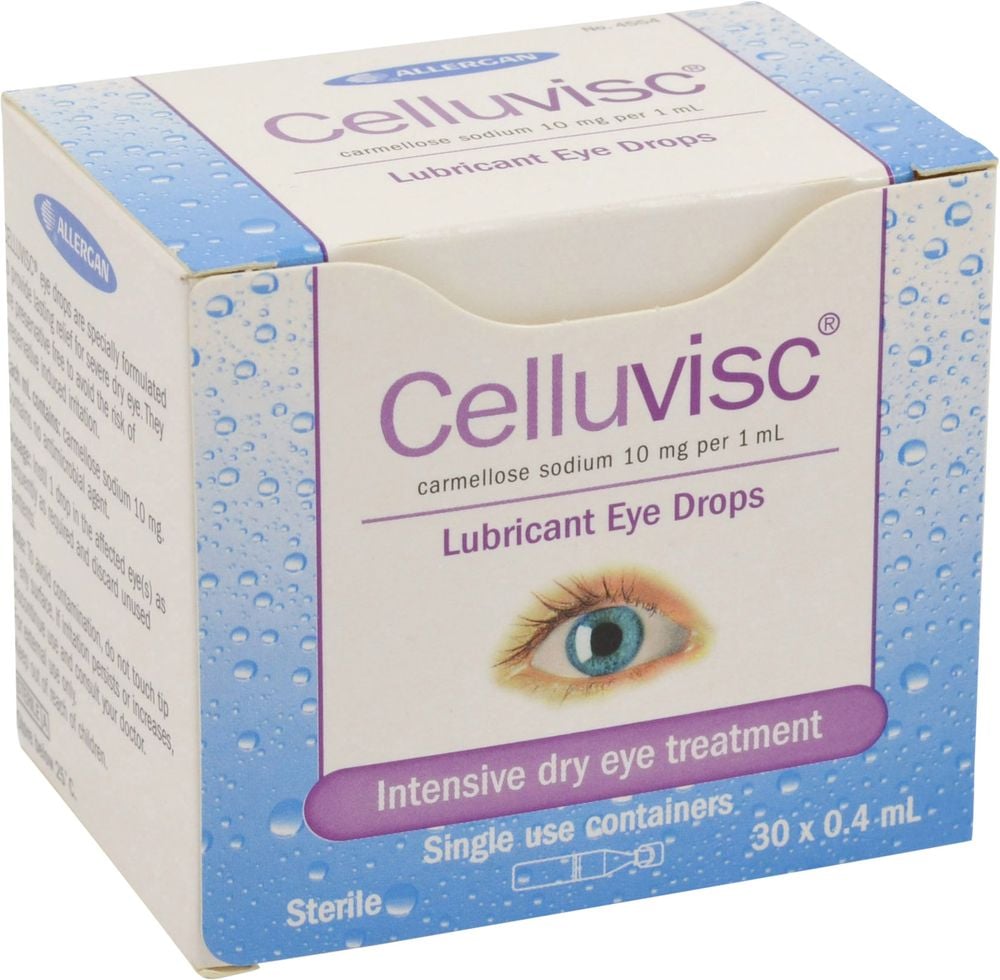
- Lubricating eye drops like Cellufresh or Celluvisc for symptomatic relief.
- See a GP/optometrist - they may prescribe antibiotic drops to prevent infection.
Heals fully within 24-48 hours. PREVENT next time with proper UV-rated welding shield or polarised UV sunglasses.
Eye irritation and dry eye
Workplace dry eye
Air-conditioning, low humidity, prolonged screen work and contact lens use all cause dry eye. Symptoms: gritty sensation, redness, intermittent blurred vision, light sensitivity.
Lubricating eye drops
Preservative-free artificial tears are the first-line treatment:
- Cellufresh (0.4ml single-use vials) - rapid relief, comfortable for sensitive eyes.
- Celluvisc (longer-lasting viscous gel-drops) - bedtime or extended dry-eye episodes.
For chronic dry eye see an optometrist - underlying conditions (Sjogren’s, blepharitis, autoimmune disease) may need targeted treatment.
Building an eye injury first aid kit
Workplace kit (eye injury risk)
- Wall-mounted eyewash station within 10 seconds of hazard.
- Backup portable eyewash bottles (500ml) on every workstation.
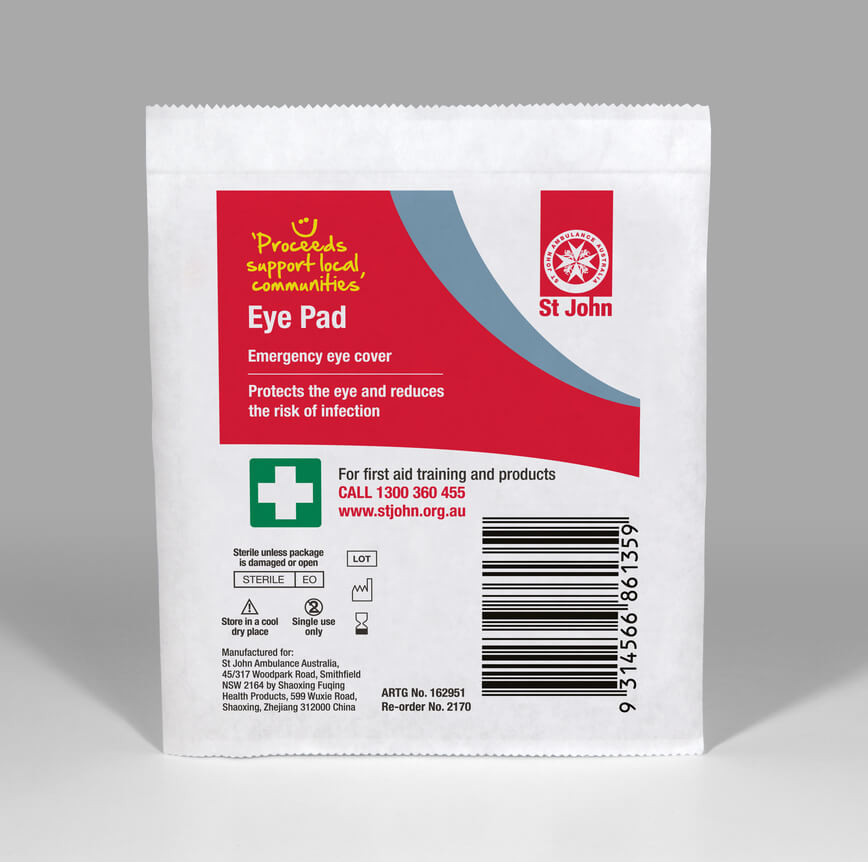
- 2-4 eye pad dressings.
- 1 rigid eye shield.
- Sterile saline ampoules for irrigation backup.
- SDS/MSDS for every chemical on site (essential paramedic info).
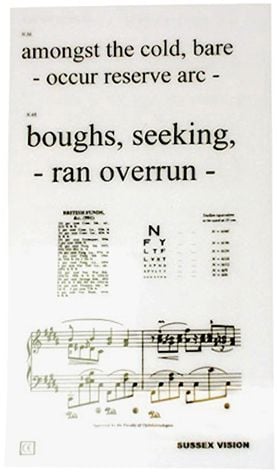
- Near-vision eye chart for post-incident screening.
Home/family kit
- 1 eye pad dressing.
- Saline ampoules or sterile contact lens solution for irrigation.
- Lubricating eye drops (Cellufresh).
- Tape (micropore) for securing eye pad.
High-risk industries (welding, chemicals, lab)
- Free-standing eyewash station near hazards.
- Multiple wall-mounted stations.
- 4-6 eye pad dressings.
- Rigid eye shields (multiple).
- Sterile saline pods.
- UV-rated PPE (welding shields).
Browse our eye care & eyewash range for complete workplace setups.
When to call 000
Call an ambulance immediately for:
- Chemical splash (especially alkaline) - while continuing irrigation.
- Penetrating eye injury or embedded foreign body.
- Severe eye pain with vision loss.
- Suspected globe rupture.
- Blunt trauma with bleeding inside the eye.
- Loss of consciousness from head/eye injury.
Frequently asked questions
What is the first thing to do for a chemical splash to the eye?
Flood the eye with running water or sterile saline for at least 15-20 minutes (or 30+ minutes for alkaline chemicals like cement, lime or drain cleaner). Hold the eyelids open, tilt the head so the contaminated water flows AWAY from the unaffected eye, and don’t stop until paramedics arrive. Acidic and especially alkaline burns continue damaging tissue for minutes after exposure - dilution time is the single most important first aid step.
Can you remove a foreign body from someone’s eye?
Only for small loose foreign bodies (dust, eyelash, sand) on the surface of the conjunctiva or under the lid. Encourage blinking and tear production, then use clean water or sterile saline to rinse it out. NEVER try to remove anything embedded in the cornea, sclera, or anything penetrating the eye - that requires hospital emergency department. Cover the affected eye with an eye pad dressing and seek urgent medical help.
Why is an eyewash station required in Australian workplaces?
Safe Work Australia’s First Aid Code of Practice requires emergency eyewash facilities in workplaces with chemicals, dust, foreign-body or splash hazards. The station must deliver 15+ minutes of continuous saline irrigation, be accessible within 10 seconds of the hazard, and have monthly maintenance checks. Industries: laboratories, manufacturing, construction, healthcare, agriculture, food processing, beauty salons.
When should you call 000 for an eye injury?
Call 000 immediately for: chemical splash to eye (especially alkaline); penetrating eye injury or embedded foreign body; vision loss or blurred vision after injury; severe eye pain with vision change; suspected globe rupture (the eyeball itself ruptured); blunt trauma with eye bleeding; loss of consciousness from head/eye injury. Cover the affected eye with an eye pad while waiting - do NOT apply pressure.
What does an eye injury first aid kit need?
Australian Safe Work Australia’s code recommends: sterile saline irrigation bottles (500ml minimum); eye pad dressings; rigid eye shields for penetrating injuries; a near-vision eye chart for screening post-incident; tweezers (sterile) for surface debris removal under medical supervision only; emergency contact card for nearest ophthalmologist. Eye care products live in their own labelled compartment of the first aid kit.
Sources: healthdirect.gov.au — Eye injuries, Safe Work Australia — First aid, Optometry Australia, St John — Eye injuries.