

October is Bleeding Disorders Awareness Month, which offers a great opportunity to learn first aid techniques for these conditions.
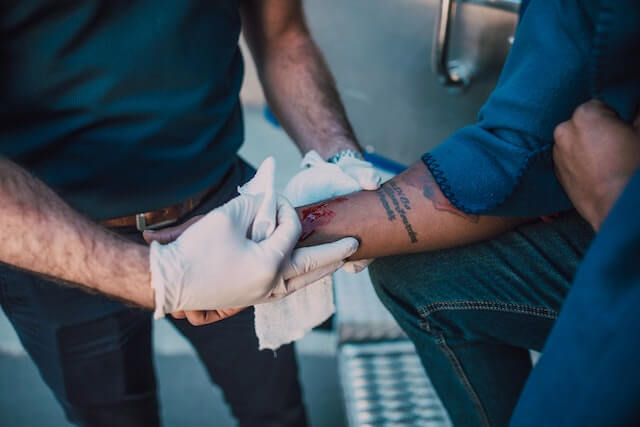
In our latest post, we’ll take a look at what this month means and offer tips for first aid for bleeding disorders.
You’ll also find out about bleeding disorders and living with this type of health condition.
What is Bleeding Disorders Awareness Month about?
Bleeding Disorders Awareness Month 2023 is celebrated throughout the month of October.
Its aim is to raise awareness around inherited bleeding disorders, including haemophilia, von Willebrand disease and other similar conditions.
The theme this year is ‘Working together,’ and it’s a chance for people affected by these diseases — and the general public — to unite and share information about them.
During the course of the month, Haemophilia Foundation Australia will share information and case studies about bleeding disorders on their social media channels.
Events will be taking place up and down Australia to raise awareness of bleeding disorders, culminating in Red Week during the last week of October.
During the week, the public is encouraged to take part in activities around the theme of the colour red. These can include wearing red to school or work, holding a red-themed colour run or having a bake sale to include treats like red velvet cake.
What are bleeding disorders?
A bleeding disorder is a health condition when your blood doesn’t clot properly. Clotting (coagulation) occurs to stop you from bleeding heavily if you injure yourself and refers to the process of the blood turning from a liquid to a solid state.
With bleeding disorders, this process doesn’t happen as it should, and people risk heavy, uncontrolled bleeding if they get injured. This bleeding can happen either inside or outside the body.
Types of bleeding disorder
Most bleeding disorders are inherited, although some develop as a result of other conditions like liver disease, a vitamin K deficiency or a low red blood cell count.
Heavy bleeding is also a side effect of some medications like anticoagulant (anticlotting) medication, which is prescribed to people at higher risk of conditions that can result from blood clots like strokes, heart attacks, deep vein thrombosis (DVT) and pulmonary embolism.
One of the most well-known bleeding disorders is haemophilia, which is inherited and more common in males.
There are two types of haemophilia — haemophilia A and haemophilia B.
Symptoms include bruising easily, internal bleeding, more bleeding than normal after surgery or getting injured and heavy menstrual bleeding or bleeding after giving birth.
Von Willebrand disease is another bleeding disorder. Like haemophilia, it is an inherited condition and has similar symptoms. It’s more common than haemophilia and also less severe.
It is so called because people with the disorder don’t have sufficient quantities of a factor called von Willebrand factor, or it doesn’t work as it should. This means that it takes longer than normal for their blood to clot and for bleeding to stop.
There are three types of von Willebrand disease — Type 1, Type 2 and Type 3.
These are the two most common bleeding disorders, but there are also many others.
Therapies for bleeding disorders include giving the patient clotting factor intravenously (through a vein) to stop bleeding in progress, hormone treatment to trigger the body to release more clotting factor and physical therapy to ease discomfort if joints are affected by internal bleeding.
First aid for bleeding and bleeding disorders
If someone you know has a bleeding disorder and is bleeding heavily, dial triple zero (000) for help.
In the meantime, this is what you can do to help:
- Help the patient to lie down and elevate the bleeding area if you can.
- Remove any small debris from the wound, but do not attempt to remove any larger foreign bodies.
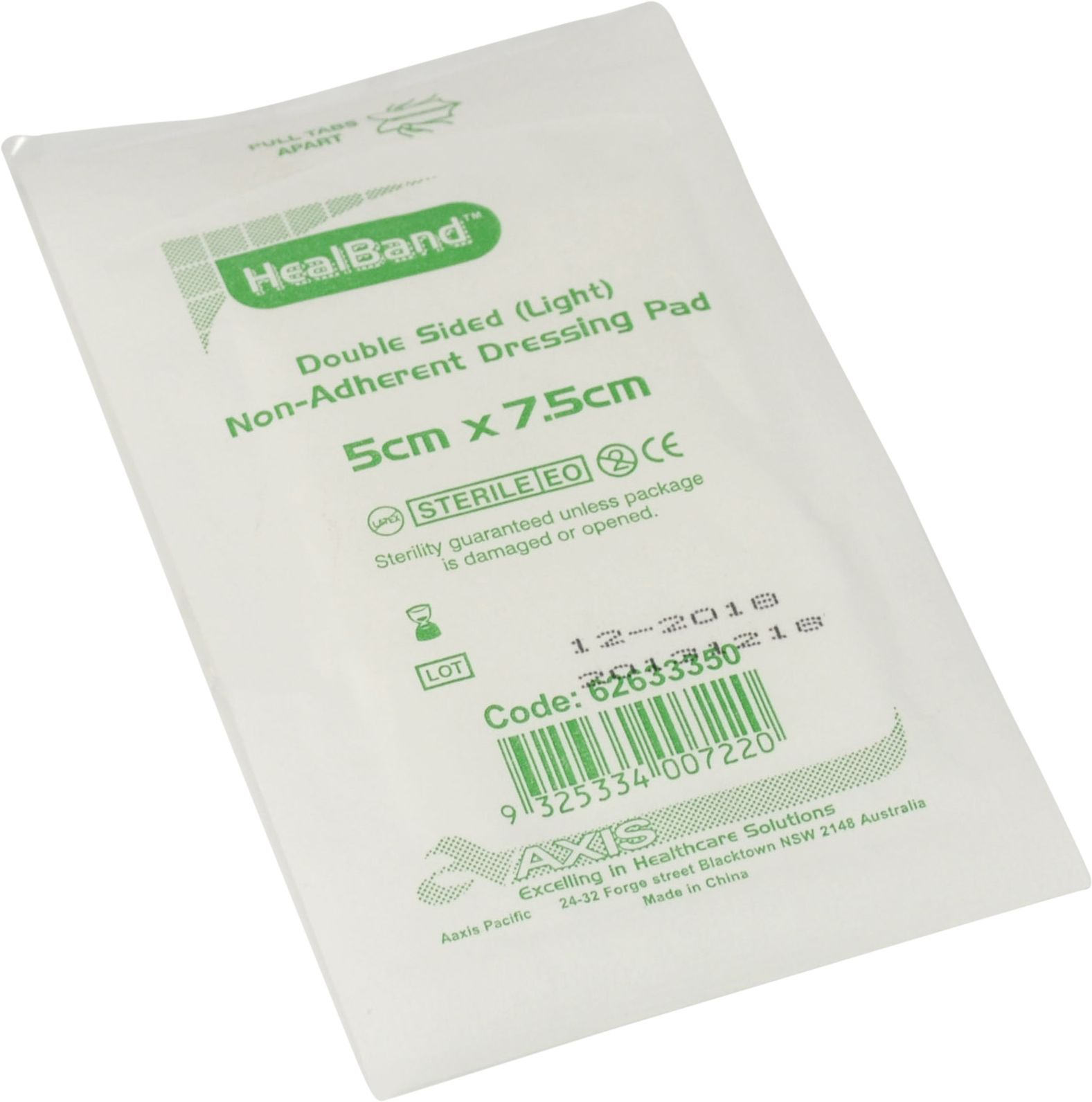
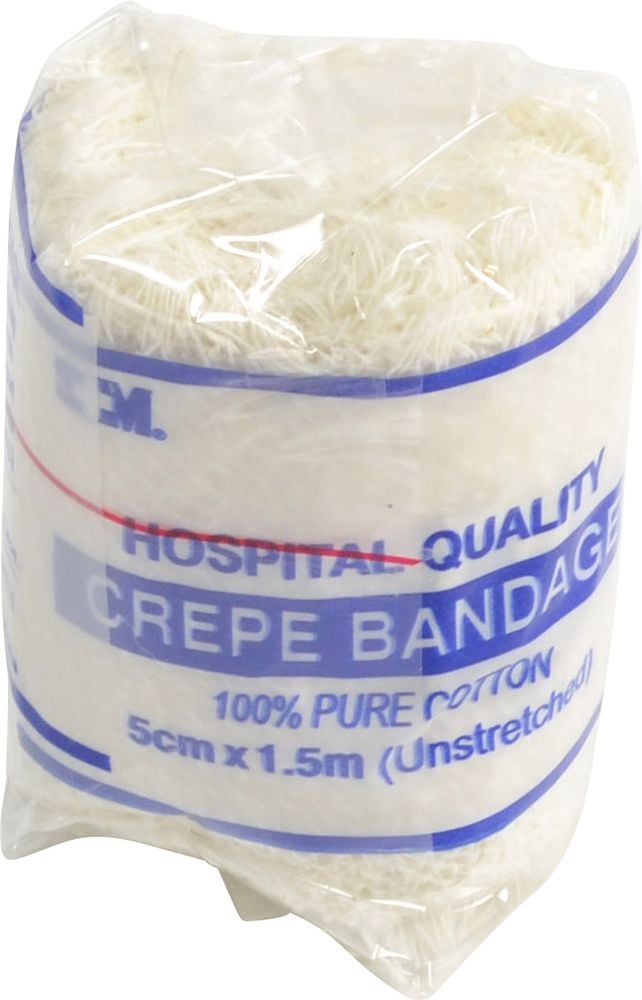
- Use a clean dressing pad or bandage to exert pressure on the wound.
- If you don’t have these items available, use clothing or your hands, covered with medical gloves.
- Keep maintaining pressure until help arrives.
The patient may need to receive a clotting factor in the hospital, so it’s important to seek medical attention even if you think you have controlled the bleeding.
What else do I need to know about bleeding disorders?
Although there is no cure for bleeding disorders like haemophilia and von Willebrand disease, it’s still possible to live a full life with them.

People living with bleeding disorders can take measures like:
- Avoiding contact sports and using protective gear like knee and elbow pads when practising activities like cycling.
- Avoiding certain pain relief medications (like aspirin and ibuprofen) and blood thinning medication (like warfarin) — ask your doctor for details.
- Practising great oral hygiene to reduce the risk of bleeding from gum disease.
- If appropriate and advised by their doctor, learning how to administer clotting factor treatment at home.
We’ve got you covered!
Give bleeding disorders a thought during the month of October and brush up on first aid for heavy bleeding — it could help you save a life.
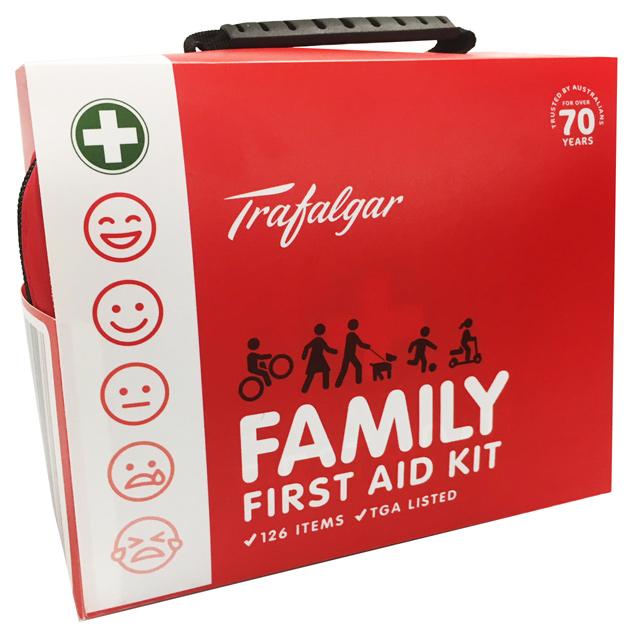
You can also use Bleeding Disorders Awareness Month as a prompt to get your first aid kit stocked up.
Check out the MediBC range of first aid kits and supplies, suitable for home, work and travel — we’ve got you covered for most first aid scenarios, including bleeding.
Being able to act quickly and confidently in an emergency could make a real difference, so make sure you know what to do to treat someone with heavy bleeding this October.
Bleeding First Aid Essentials
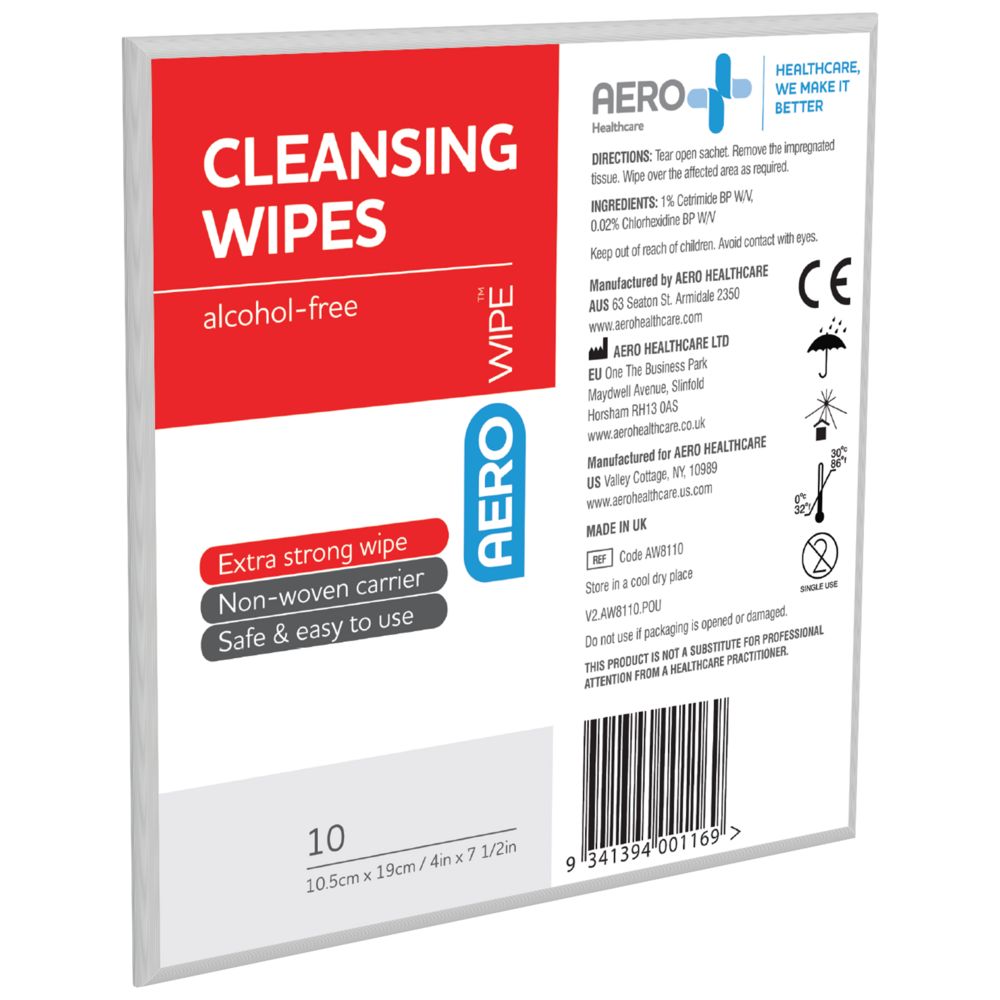
Dressings, bandages, gloves, and family kits to manage bleeding emergencies safely at home or work.