

Christmas should be a time of joy and happiness, but accidents and illnesses can still happen.
That’s why we’ve put together this guide on first aid at Christmas.
It will tell you what to do if you or your loved ones have a minor accident or injury over the festive season, making sure that your Christmas is both a safe and happy one.
Minor trips and falls
There are lots of opportunities for trips and falls around the Christmas period when putting up decorations or partying the night away.
Here are our first aid tips if someone falls and sustains a sprain or strain:
- Get them to rest.
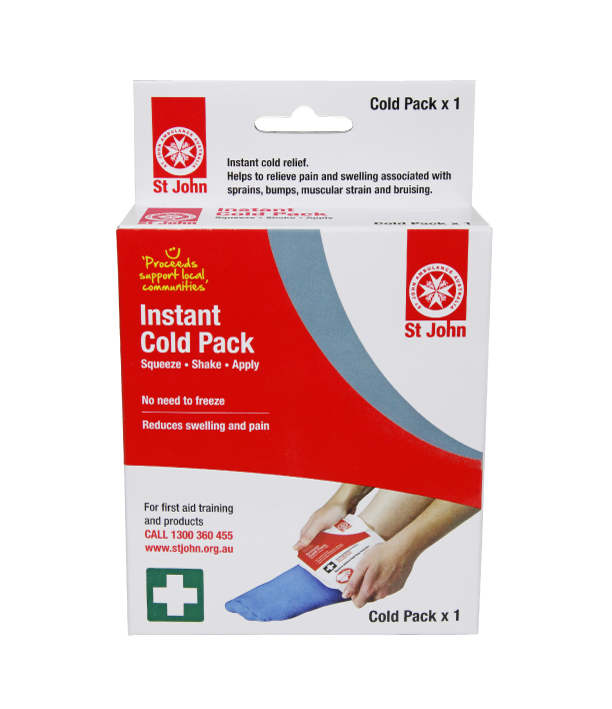
- Apply an ice pack to the affected area to reduce swelling.
- If this doesn’t help or they are in lots of pain, seek medical attention.
If the patient has pain, bruising and swelling and can’t move a limb, they may have broken it. This is what you should do:
- Support their injury with a cushion or item of clothing.
- Take them to your nearest emergency department, or dial triple zero (000) for help.
Burns and scalds
There are lots of ways burns and scalds can happen over the Christmas period — you may sustain a burn from cooking on the BBQ or a scald from hot water used for cooking that delicious Christmas dinner.
Here’s what to do for a minor burn or scald:
- Remove clothing or jewellery as long as it isn’t stuck to the affected area.
- Put the burned or scalded area under cold running water for 20 minutes.
- Offer over-the-counter medication such as paracetamol for pain relief.
- Keep the affected area raised to prevent swelling.
You must take the patient to your nearest emergency department or dial triple zero (000) if:
- The burn is bigger than the size of the patient’s hand
- The burn has made the skin appear white or charred
- The burn is on the face, neck, hands, feet, joints or genital area
- The burn is electrical or chemical
- The patient has sustained other injuries that need attention
- The patient appears to be in shock — symptoms include cold or clammy skin, sweating, rapid or shallow breathing, weakness or dizziness
You should also get help if:
- The patient has inhaled smoke
- Is under 10
- Has an underlying medical condition, for example diabetes or heart disease
- Has a suppressed immune system
Know that children may also be at risk of harm from objects such as button batteries that accompany their Christmas gifts. If swallowed, these batteries can react with bodily fluids to create an alkaline substance that can burn tissue internally.
If you suspect your child has swallowed a button battery:
- Get them to the emergency department as soon as possible.
- Do not give them anything to eat or drink, or try to make them vomit.
- Try to find out what type of battery they have swallowed, but do not delay getting them to hospital to do this.
Food poisoning
Food poisoning can be common around Christmas time. For example, catering for many people can mean that it’s difficult to store lots of food safely.
Know these symptoms of food poisoning:
- Nausea and vomiting
- Diarrhoea
- Stomach cramps
- A temperature of 38 degrees or more
- Feeling generally unwell/fatigue
If the symptoms are not severe, this is what you can do to treat food poisoning at home:
- Get the patient to drink plenty of clear fluids. Keep rehydration solution in your first aid kit to replace fluids and electrolytes.
- Make sure they rest.
- Offer the patient bland foods when they feel able to eat.
You should seek medical help for children with food poisoning if:
- They are younger than one year
- They have severe stomach pain and vomiting
- They can’t keep fluid down or are dehydrated
- You are worried about their symptoms
For adults, get help if:
- They still have symptoms after three days
- Their symptoms are severe
- They can’t keep fluids down 24 hours after falling sick
- There is mucus or blood in their vomit or stool
What can I do to reduce the risk of accidents and illnesses at Christmas?

Follow our tips to cut down on the risks of accidents and illnesses over the festive period:
- When putting up decorations, don’t overstretch yourself. Use a ladder instead of a chair or other means of reaching high places.
- If you’re using Christmas lights, make sure they are safe and get rid of any that are old.
- Safely dispose of any damaged baubles or glass decorations that could cut you.
- When cooking, turn saucepan handles towards the back of the hob.
- Make sure that children are always supervised in the kitchen.
- Follow food safety guidelines when cooking your Christmas meal. These include washing your hands before cooking, using a food thermometer to check the temperature of cooked food and storing food correctly. You can find out more about food safety here.
- Keep small items like button batteries out of the reach of children.
Have a safe and happy Christmas
No one wants to spend Christmas in the emergency department or nursing an injury.
So just make sure that you are prepared for a safe and happy Christmas by taking some time to read our tips.
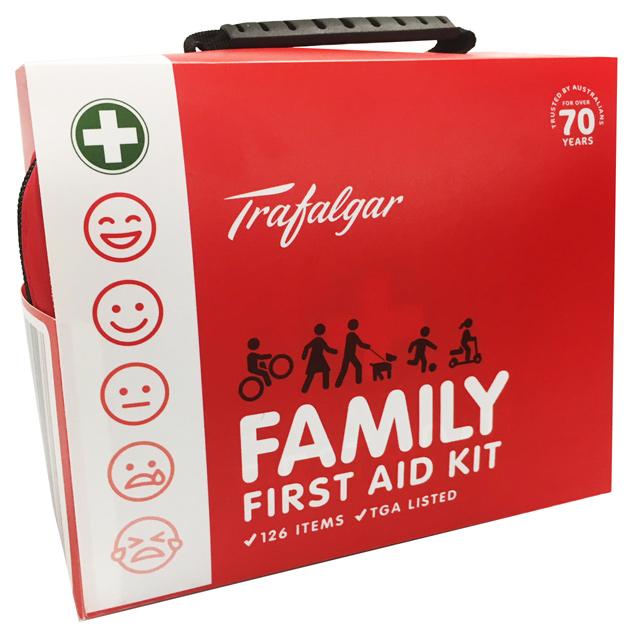
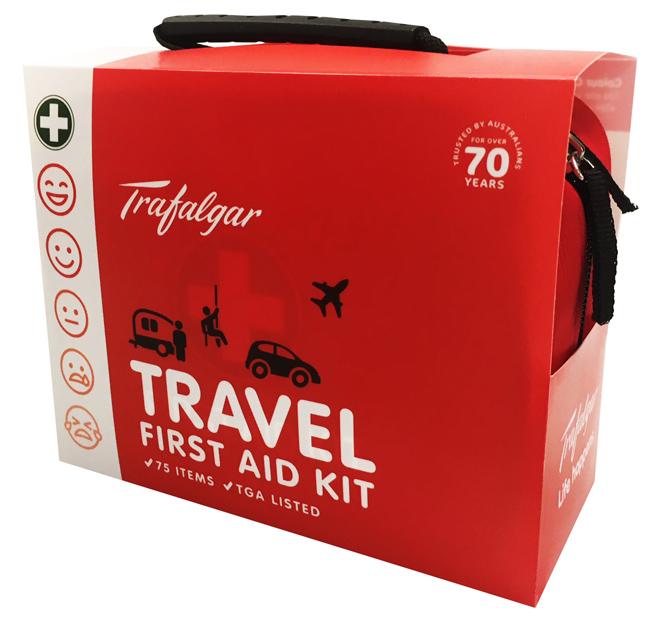
You can also have a first aid kit for Christmas ready in your home so you can swiftly deal with minor accidents and illnesses.
Check out the MediBC range of first aid kits, all designed to keep you and your family safe this festive season.
Being prepared for Christmas is not just about having the gifts wrapped and ready — but also knowing that you can confidently deal with those minor mishaps too!
Family Safety Essentials for the Holidays
Family first aid kits, sunscreen, and electrolyte ice blocks to keep your Christmas safe.