

Reviewed by the Medibc First Aid Team — last updated May 2026.
Hand hygiene is the single most effective measure to prevent infection transmission - across hospitals, workplaces, schools and family homes. The Australian Commission on Safety and Quality in Health Care notes that improving hand hygiene compliance from 47% to 80% across Australian hospitals reduced Staphylococcus aureus bloodstream infections by nearly 30%. Whether you are stocking a clinic, an office or a tradie's ute, the right hand sanitiser - at the right alcohol concentration, in the right dispenser - makes a measurable difference.
Why hand sanitiser matters
The science of alcohol-based hand rubs
Alcohol-based hand sanitiser kills microbes by denaturing proteins and disrupting cell membranes. At 60-80% concentration, the alcohol kills 99.9% of bacteria, most viruses (including coronaviruses, influenza and norovirus), and many fungi within 20-30 seconds. The remaining 20-40% water content is what allows the alcohol to penetrate microbial walls - pure alcohol evaporates too quickly to be antimicrobial.
Faster compliance than soap and water
The biggest hand hygiene problem in any workplace is compliance: people skip washing because soap and water take 40-60 seconds and require a sink. Alcohol-based sanitiser delivers equivalent protection in 20-30 seconds at a point-of-care dispenser, dramatically improving compliance rates.
When soap and water are still preferred
- Visibly soiled hands (dirt, blood, food, chemicals).
- After bathroom use.
- Before food preparation in a domestic setting.
- After contact with C. difficile, norovirus, or other spore-forming organisms (alcohol does not kill spores).
- If hands feel sticky or contaminated.
What percentage alcohol should you buy?
The 60-80% sweet spot
The TGA recommends 70% alcohol (ethanol or isopropyl) as the standard antimicrobial concentration. At this strength, the alcohol stays wet on the skin long enough to disrupt microbial cell walls. The TGA's COVID-era guidance, still in force, requires hand sanitisers to contain at least 60% ethanol or 70% isopropyl to qualify as antimicrobial.
Why not higher concentrations?
Sanitisers above 80% alcohol evaporate too quickly - the alcohol flashes off before penetrating cell membranes. They also dry the skin much more aggressively, which causes users to skip subsequent applications. 90%+ products marketed as "stronger" are usually less effective in practice.
Specialist clinical formulas
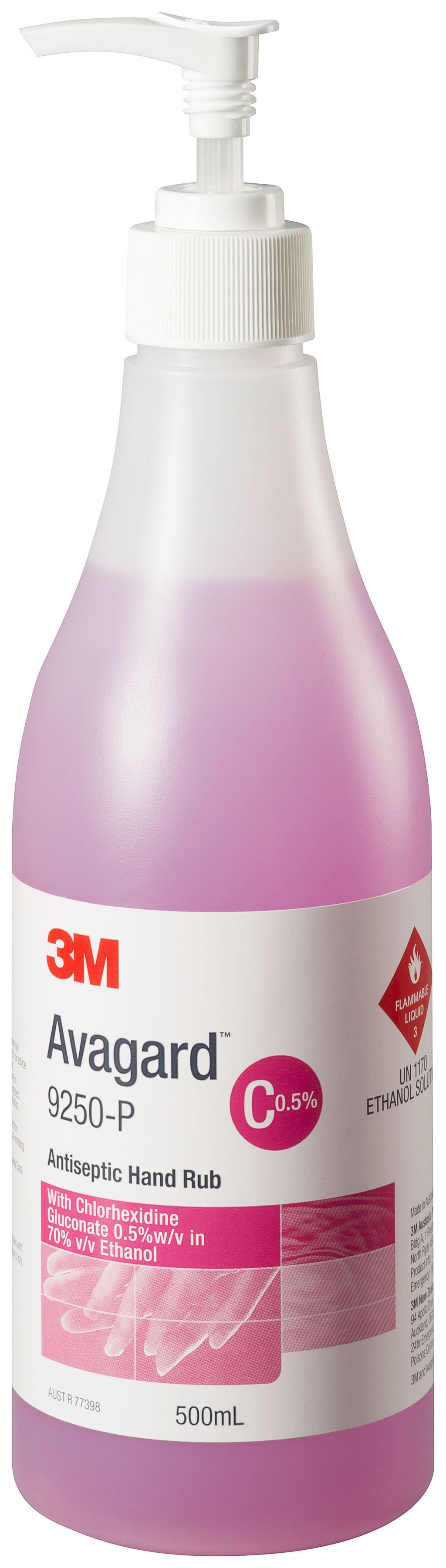
Some hospital and surgical hand rubs add chlorhexidine gluconate (CHG) at 0.5-2% to the alcohol base. CHG persists on the skin for hours, giving extended residual antimicrobial activity ideal for surgical scrubs and patient-care contexts. Avagard's 0.5% CHG in 70% alcohol is a typical Australian clinical formulation.
Choosing the right format for the setting
Pocket and PPE-kit bottles (60-100ml)
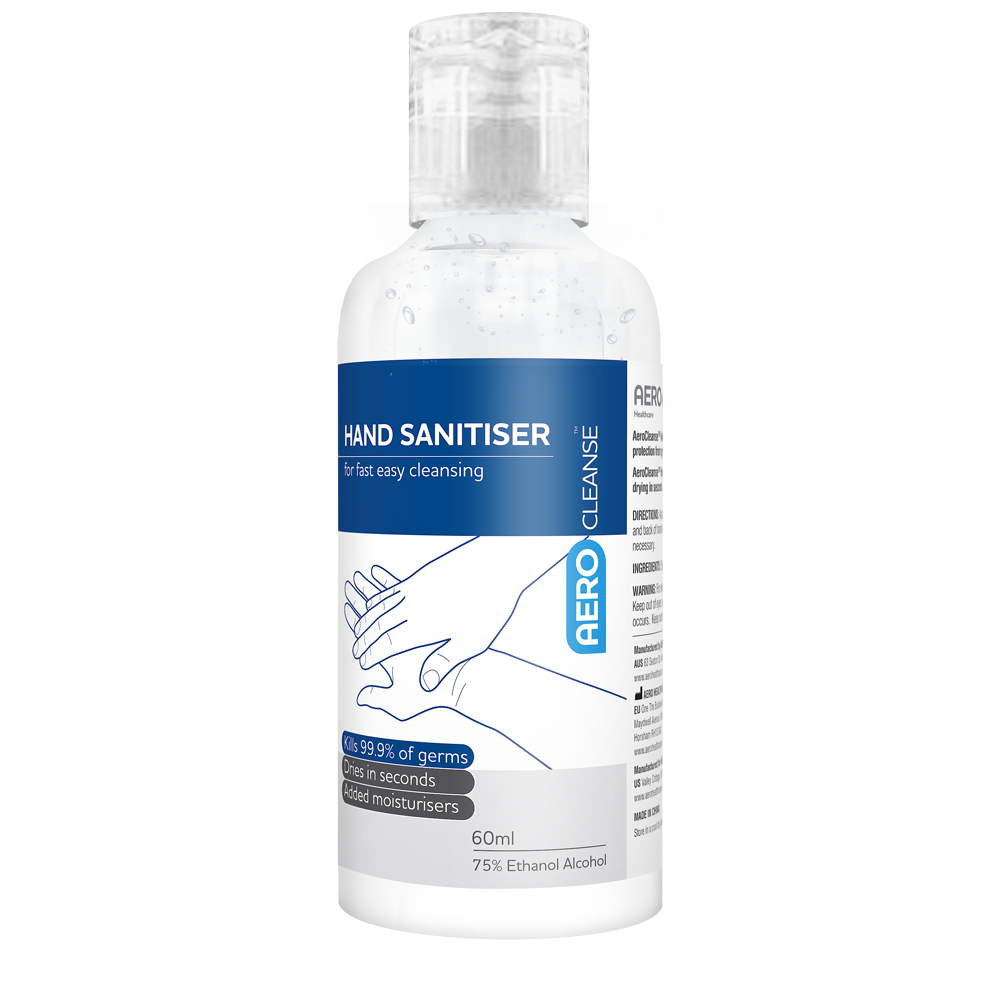
Flip-top 60-100ml bottles fit a clinical bag, ambulance kit, school bag or workplace PPE pouch. Best for individual on-the-go use. Compliant with airline carry-on rules.
Desk and counter pump bottles (375ml-1L)
Pump bottles sit on a hot-desk, reception counter or kitchen bench. Big enough to last weeks in a single-person setting. Avoid the 60ml-only model in workplaces - users skip dispensers that are too small.
Wall-mount dispensers + bulk refills (2L+)
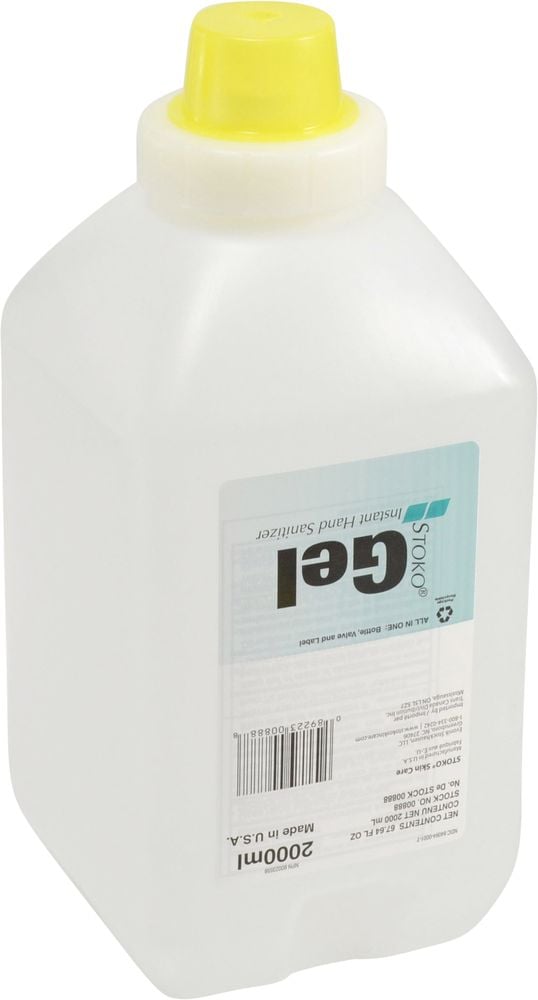
For workplaces with high foot traffic - clinics, aged care, factories, schools - wall-mounted dispensers with 2L or larger refill bottles are the industry standard. They sit at every entry point, treatment room and toilet exit. Aerocleanse, Aqium and Stoko all make compatible refill bottles for standard dispensers.
Hand wash for clinical sinks
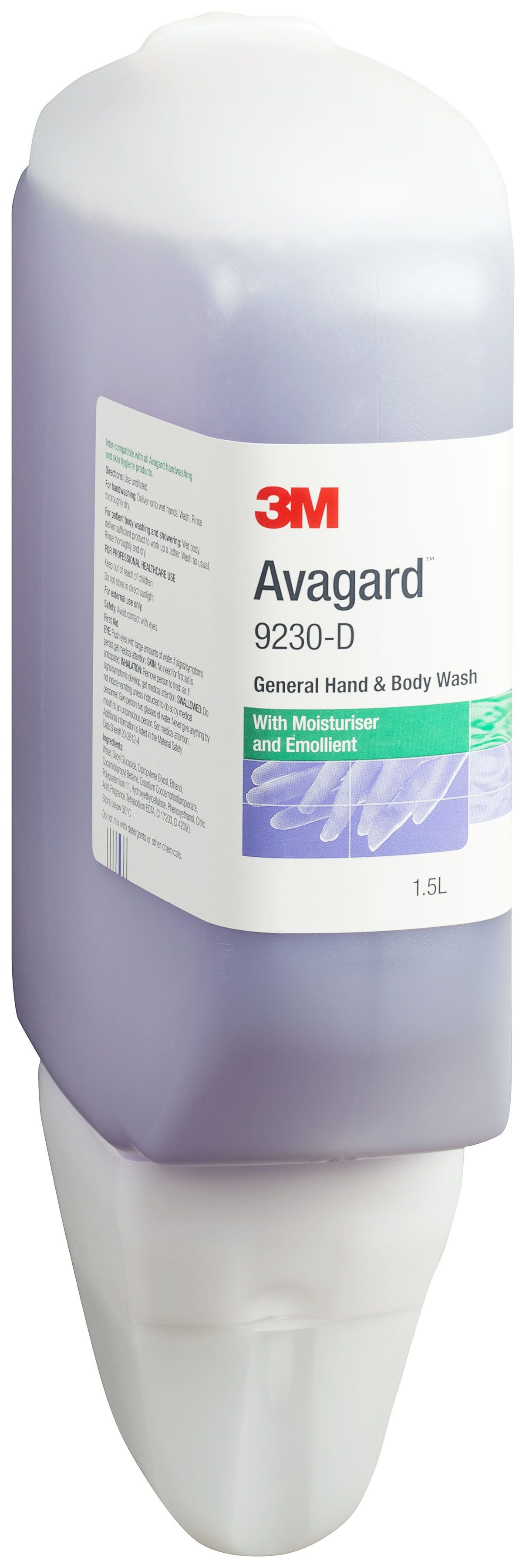
Soap-free skin cleansers like Avagard Hand & Body Wash are kinder to repeatedly-washed clinical hands than supermarket soap. The 1.5L size suits most sink-side dispensers.
The WHO 5 Moments of Hand Hygiene
The World Health Organization's 5 Moments framework has been adopted across Australian healthcare. Sanitise hands:
- Before touching a patient.
- Before a clean or aseptic procedure (cannulation, dressing, eating).
- After body-fluid exposure risk (blood, vomit, urine, wound exudate).
- After touching a patient.
- After touching patient surroundings (bed, IV pole, monitor).
For workplaces, the same principles adapt to "before food preparation, before eating, after the toilet, after coughing/sneezing, after touching public surfaces". A pocket-sized sanitiser like the Aerocleanse 60ml flip-top covers all five.
How to apply hand sanitiser correctly
The 6-step rub technique
- Apply a coin-sized blob to one palm.
- Rub palm to palm.
- Right palm over left dorsum with interlaced fingers, then swap.
- Palm to palm with fingers interlaced.
- Backs of fingers to opposing palms with fingers interlocked.
- Rotational rubbing of left thumb in right palm, then swap; rotational rubbing of fingertips in palm.
Continue until completely dry - usually 20-30 seconds. Do not wipe the sanitiser off prematurely.
Common mistakes
- Too little product - you need enough to keep hands wet for 20+ seconds.
- Skipping fingertips - the highest-bacteria zone of the hand.
- Drying with a towel - lets the alcohol effect off; air-dry only.
- Using on visibly soiled hands - the alcohol cannot penetrate dirt or organic matter.
Building a workplace hand-hygiene station
Where to place dispensers
High-traffic entry and exit points: front doors, kitchen entry, toilet exits, lift lobbies, meeting rooms, near shared equipment (photocopier, coffee machine). For clinics: every patient room, treatment chair, reception, staff room and corridor.
Signage
Australian Standard wash-and-sanitise posters next to each station reinforce technique and behaviour. The National Hand Hygiene Initiative provides printable posters.
Maintenance routine
- Refill before bottles run empty (empty stations train users to skip).
- Wipe dispenser nozzles weekly with an alcohol wipe.
- Audit usage monthly and re-locate dispensers that are under-utilised.
- Stock multiple refill bottles to avoid stock-outs.
Hand-care for frequent users
Skin dryness and dermatitis
Alcohol-based sanitisers dehydrate skin - a real problem for clinical staff, cleaners, food service and other hand-intensive jobs. Modern formulas (Aerocleanse, Aqium, Stoko) include emollients (glycerin, dimethicone) to mitigate dryness, but heavy users still need an end-of-shift moisturiser. A fragrance-free emollient such as QV Cream is the usual pick for that, because it carries no fragrance or lanolin to irritate skin already dried out by repeated sanitising.
Combat occupational dermatitis
- Choose sanitisers with added emollients over harsh ones.
- Apply sorbolene with glycerine or QV Cream at the end of each shift.
- Wear gloves only when clinically indicated - prolonged glove use under sanitiser causes occlusion dermatitis.
- See a dermatologist if hand eczema persists despite moisturiser use.
Hand hygiene at home
When sanitiser belongs in the home
- Entry-point sanitiser bottle for after returning from public spaces.
- Pocket sanitiser for travel, shopping and public transport.
- Kitchen bench bottle for between food-preparation tasks.
- Car glove-box bottle for petrol stations and public touchpoints.
Teaching kids hand hygiene
Children learn best with a song ("Happy Birthday" twice while washing = 20 seconds). For sanitiser, supervise application of a small drop and check fingertips are properly rubbed. Avoid leaving alcohol-based sanitiser in reach of unsupervised toddlers.
Frequently asked questions
Is hand sanitiser as good as washing your hands?
Soap and water remain the gold standard when hands are visibly soiled with dirt, food, blood or chemicals. Alcohol-based hand sanitiser (60-80% alcohol) is faster, more effective against most viruses and bacteria when hands are not visibly dirty, and is the preferred method in clinical settings. WHO recommends sanitiser for clean hands and soap and water when hands are soiled.
What percentage of alcohol should hand sanitiser have?
Effective hand sanitisers contain 60-80% alcohol (ethanol or isopropyl). The Therapeutic Goods Administration (TGA) recommends 70% alcohol as the sweet spot - high enough to kill bacteria, viruses and fungi, but with enough water content for the alcohol to penetrate microbial cell walls. Concentrations below 60% are not reliably antimicrobial.
How long does hand sanitiser need to dry?
Rub the sanitiser into all surfaces of the hands - palms, backs, between fingers, thumbs and fingertips - for at least 20 seconds, or until completely dry. The antimicrobial action happens during this wet contact time. Wiping the sanitiser off before it dries reduces effectiveness.
Can you use hand sanitiser on babies?
Generally, soap and water hand-washing is preferred for babies and toddlers. If sanitiser is the only option, supervise children closely - alcohol-based sanitiser can cause severe irritation if it gets into the eyes or mouth. Apply a small amount only, rub in fully, and never leave sanitiser within reach of unsupervised young children due to ingestion poisoning risk.
What are the WHO 5 Moments of Hand Hygiene?
The WHO 5 Moments are: (1) before touching a patient; (2) before a clean or aseptic procedure; (3) after body fluid exposure; (4) after touching a patient; (5) after touching patient surroundings. They are the global standard for healthcare hand hygiene and have been adopted across Australian hospitals and aged care facilities.
Sources: Australian Commission on Safety and Quality in Health Care — Hand Hygiene Initiative, WHO — Hand Hygiene, TGA — Hand sanitisers, healthdirect.gov.au — Hand washing.