


Written by the MediBC First Aid Team · Checked against healthdirect Australia wound and tetanus guidance and myDr splinter first aid · Updated September 2026.
This is general first aid information, not medical advice. For advice any time, call healthdirect on 1800 022 222. Do not try to remove anything from the eye yourself: get medical help straight away.
A splinter is a small piece of wood, glass, metal, plastic or plant material stuck under the skin. It is one of the most common minor injuries at home, in the garden and on worksites, and most splinters can be removed in a couple of minutes with the right tools. The problem is that people often reach for whatever is nearby, dig at the skin and snap the splinter off, pushing it deeper. This guide explains how to get a splinter out cleanly, how to handle the tricky ones, and which splinters should be left to a doctor.
Quick answer: how to get a splinter out
Wash your hands and the skin around the splinter with warm soapy water. Using good light and clean, fine-point tweezers, grip the splinter as close to the skin as you can and pull it out slowly at the same angle it went in. Wash the area again, pat it dry and cover it if it is likely to get dirty. See a doctor for large, deep, barbed or heavily soiled splinters, anything in or near the eye, or signs of infection.
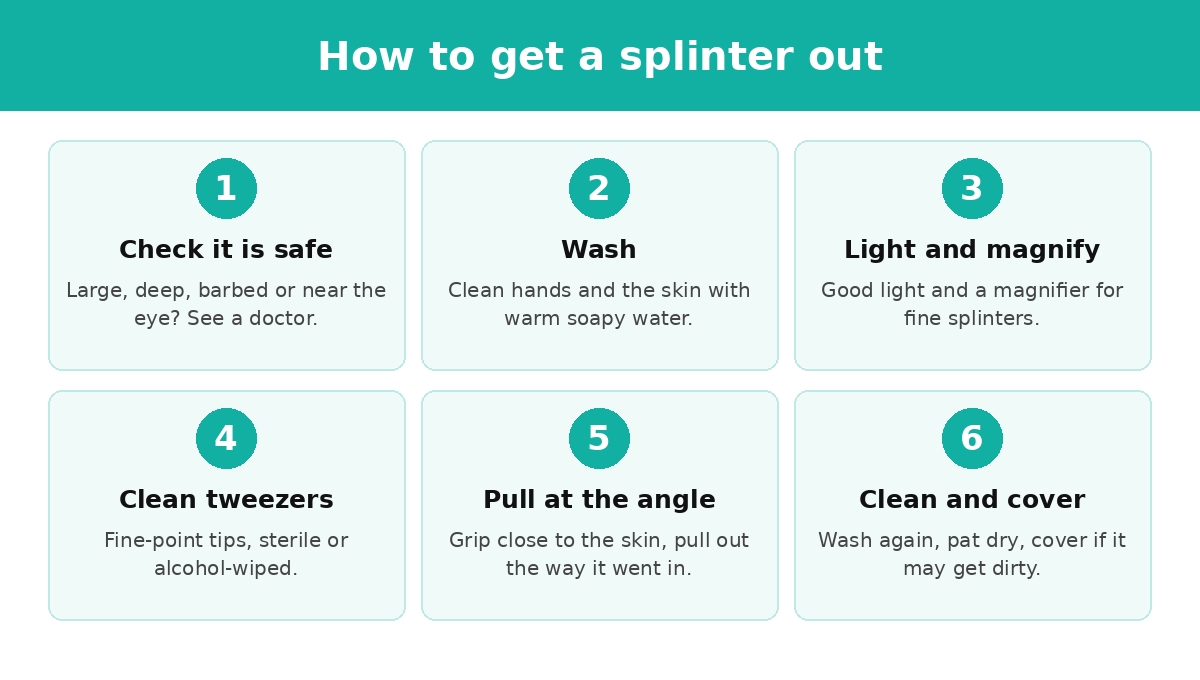
How to get a splinter out, step by step
- Check it is safe to remove at home. Use the list in the section below. If the splinter is large, deep or near the eye, stop here and see a doctor.
- Wash hands and skin. Wash your hands, or put on disposable gloves, and clean the skin around the splinter with warm soapy water.
- Get good light and a clear view. A magnifying glass makes a big difference with fine or clear splinters such as glass and fibreglass.
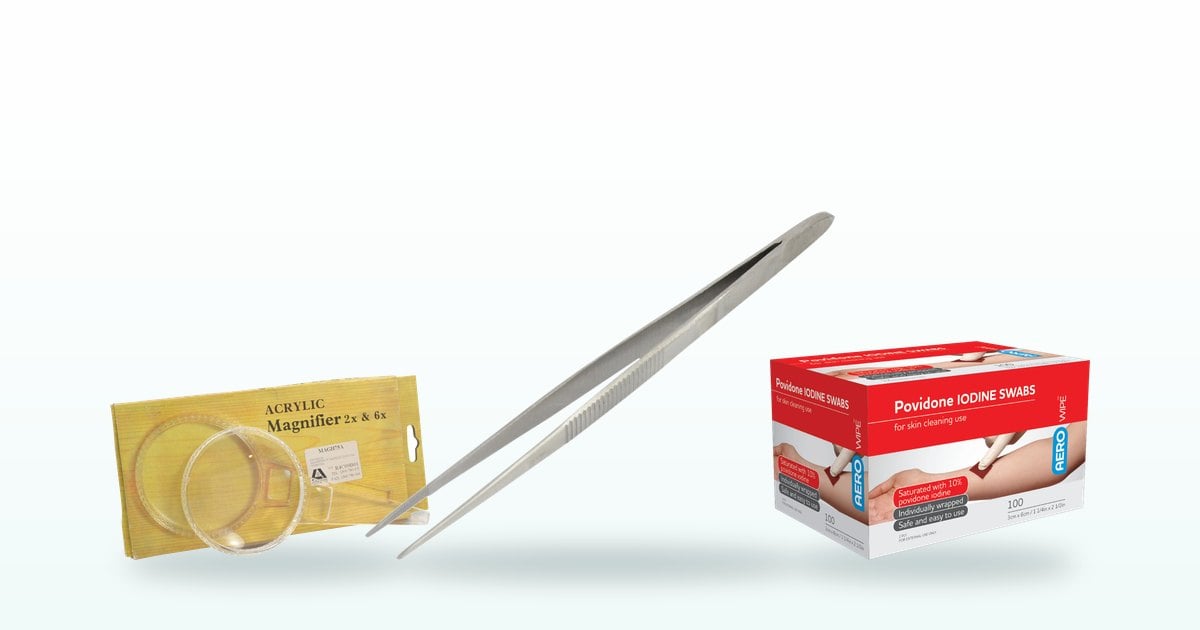
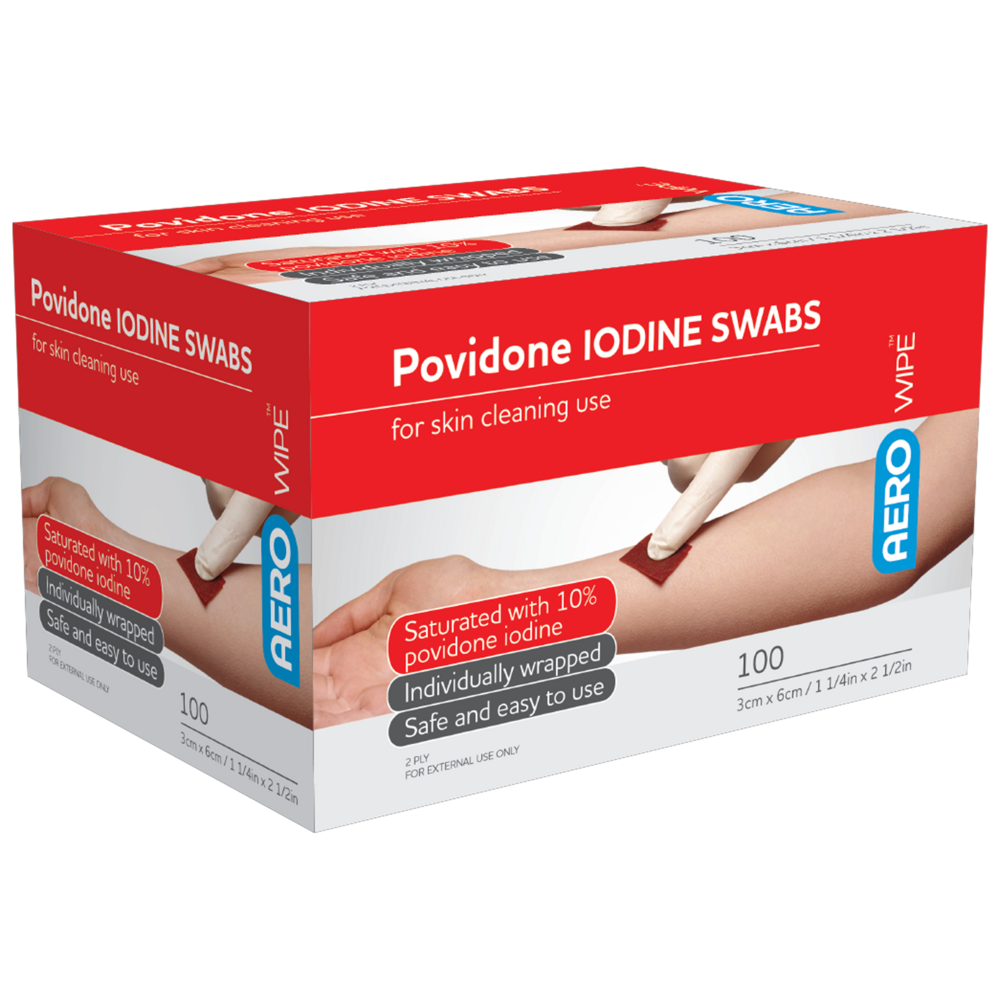
- Use clean, fine-point tweezers. Fine-point tweezers or splinter forceps make it easier to grip a small splinter. Instruments from a sterile pack are best; otherwise wash the tips and wipe them with an alcohol swab. That disinfects them, although it does not make them sterile.
- Grip close to the skin and pull slowly. Hold the splinter as close to the skin surface as you can and pull it out along the same angle it went in. Pulling too hard or too fast can snap it.
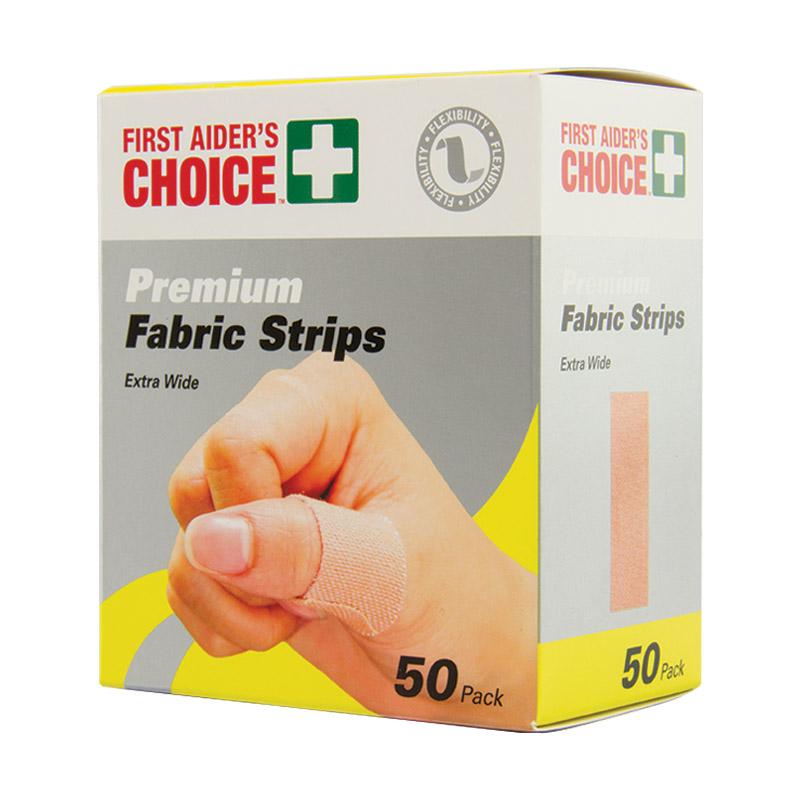
- Clean and cover. Wash the area again with warm soapy water and pat it dry. Cover it with an adhesive strip if it is likely to get dirty; otherwise leave it open to the air.
When the end is under the skin: using a splinter probe
If no part of the splinter is sticking out, tweezers have nothing to grip. A sterile, single-use splinter probe or lancet can be used to gently lift the thin layer of skin over the end of the splinter until enough is exposed to grip with tweezers. Work along the line of the splinter rather than digging straight down, and stop if it is painful, bleeding or not coming free. Never use a pin or needle that has not been cleaned, and do not squeeze the skin hard to force the splinter out, which can break it into pieces.
Splinters you should not remove yourself
Some splinters need a doctor because removing them at home risks more damage or infection. See a GP, an urgent care clinic or an emergency department if the splinter:
- is large, or embedded deeply in the skin
- has jagged edges or barbs, such as metal, fishhooks or some plant spines
- is heavily contaminated with soil, manure or other organic material
- is in or close to the eye
- is embedded over a joint, or under a fingernail or toenail and cannot be reached
- breaks off and the remaining piece cannot be reached
- causes numbness, tingling, reduced movement or pale skin beyond it, which can mean a deeper injury
People with diabetes, poor circulation, reduced feeling in their feet or a weakened immune system should get splinters, especially in the feet, checked by a doctor early rather than managing them at home. If an embedded object is causing heavy bleeding, severe pain or faintness, call 000.
For an object that is large and sticking out of a wound, such as a shard of glass, do not pull it out; see our guide on how to stop bleeding quickly for how to pad around it.
Glass, metal and tiny splinters
Knowing how to get a splinter out also depends on what it is made of.
| Splinter type | What to know |
|---|---|
| Wood | The most common type. It can break into fragments if squeezed, so pull slowly at the entry angle. Wood splinters carry a higher tetanus risk. |
| Glass | Often clear and hard to see. Use strong light and magnification, and see a doctor if you cannot see the whole piece. |
| Metal | Small surface slivers can be removed with tweezers; barbed or deep fragments need a doctor. |
| Plant spines and prickles | Often many tiny spines. Remove what you can see with tweezers and see a doctor if the area becomes red, swollen or painful. |
Home remedies for drawing out a splinter, such as pastes and poultices, are widely shared online, but they are not part of Australian first aid guidance. If you cannot reach a tiny splinter, avoid digging at the skin: ask a pharmacist or doctor, and watch the area for signs of infection.
Splinters and tetanus
Tetanus is a potentially fatal infection, and healthdirect lists wounds with foreign bodies, especially wood splinters, among the higher-risk wounds. See your doctor or nurse for a tetanus vaccination within a day if you have a splinter wound and:
- it is more than 10 years since your last tetanus vaccination, or you cannot remember
- you have had fewer than 3 tetanus vaccinations in your life, or you are not sure
- it is more than 5 years since your last tetanus vaccination and the wound was dirty or deep
Signs of an infected splinter
After a splinter is removed, or if part of it is left behind, watch the area for a few days. See a doctor if you notice increasing pain, spreading redness, swelling, warmth, pus or a fever. An infected splinter wound may need antibiotics, and a doctor can remove any fragment left behind. Also get it checked if pain persists or it still feels like something is in the skin after you have removed what you can.
How to prevent splinters
- Wear gloves when handling timber, garden tools, brooms, rakes and outdoor furniture.
- Wear shoes on wooden decks, boardwalks and anywhere glass has broken.
- Sand or seal rough timber surfaces that children touch, such as play equipment and railings.
- Keep a splinter kit in your home and workplace first aid kits so you are not tempted to dig with a sewing pin.
What to keep in a splinter removal kit
Having the right tools is most of the battle in knowing how to get a splinter out without breaking it. Fine-point forceps and a magnifier handle most small, shallow splinters, with a sterile splinter probe as an optional extra for ends sitting just under the skin. Our guide to first aid scissors, forceps and tweezers compares the different tips, and you can browse more first aid supplies.
Splinter removal essentials
The tools recommended in the steps above: sterile tips, a clear view and a clean cover.
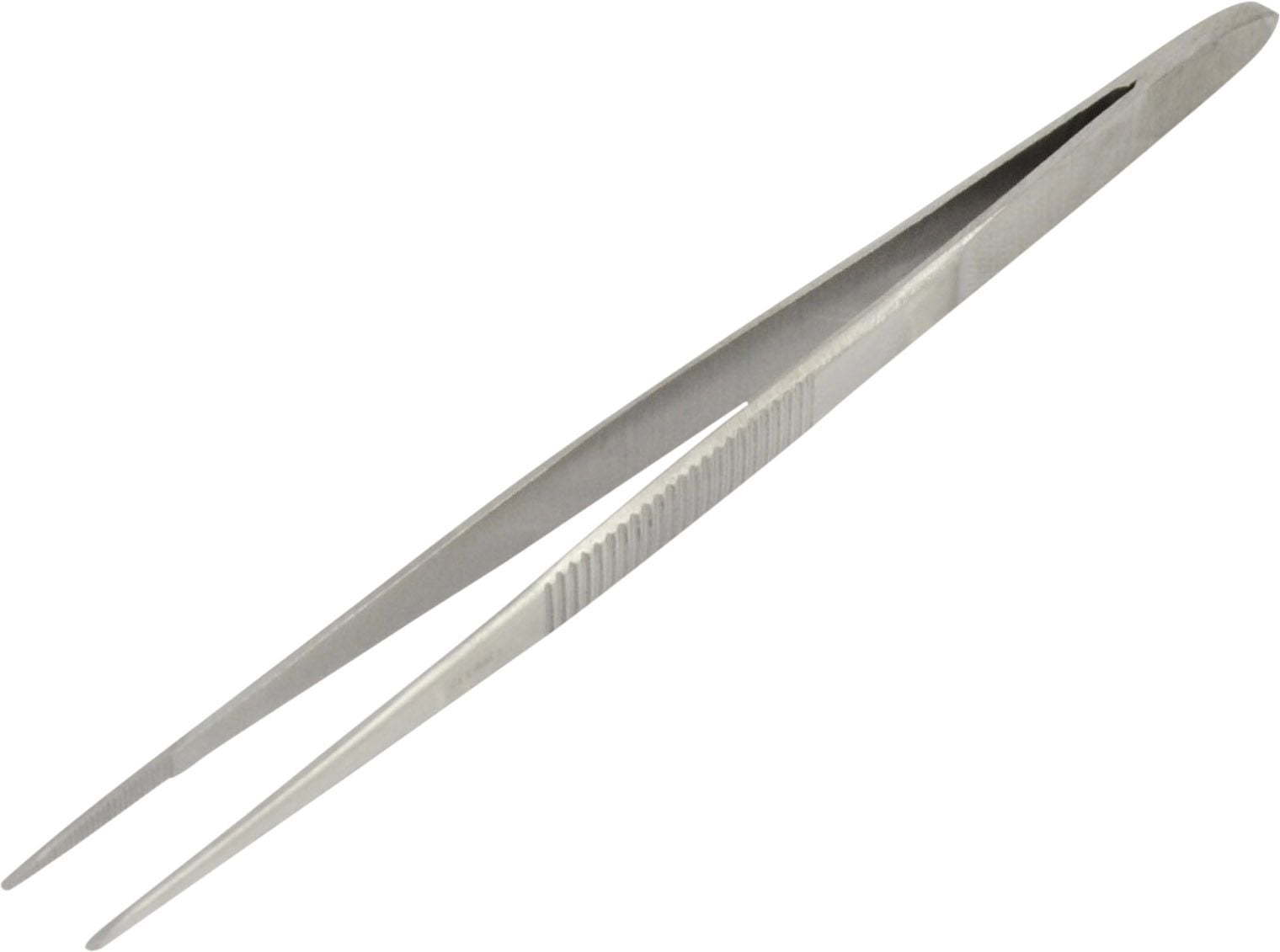
Splinter Forceps Fine Point 12.5cm
Stainless steel fine-point forceps for precise grip on small splinters.
Shop Now
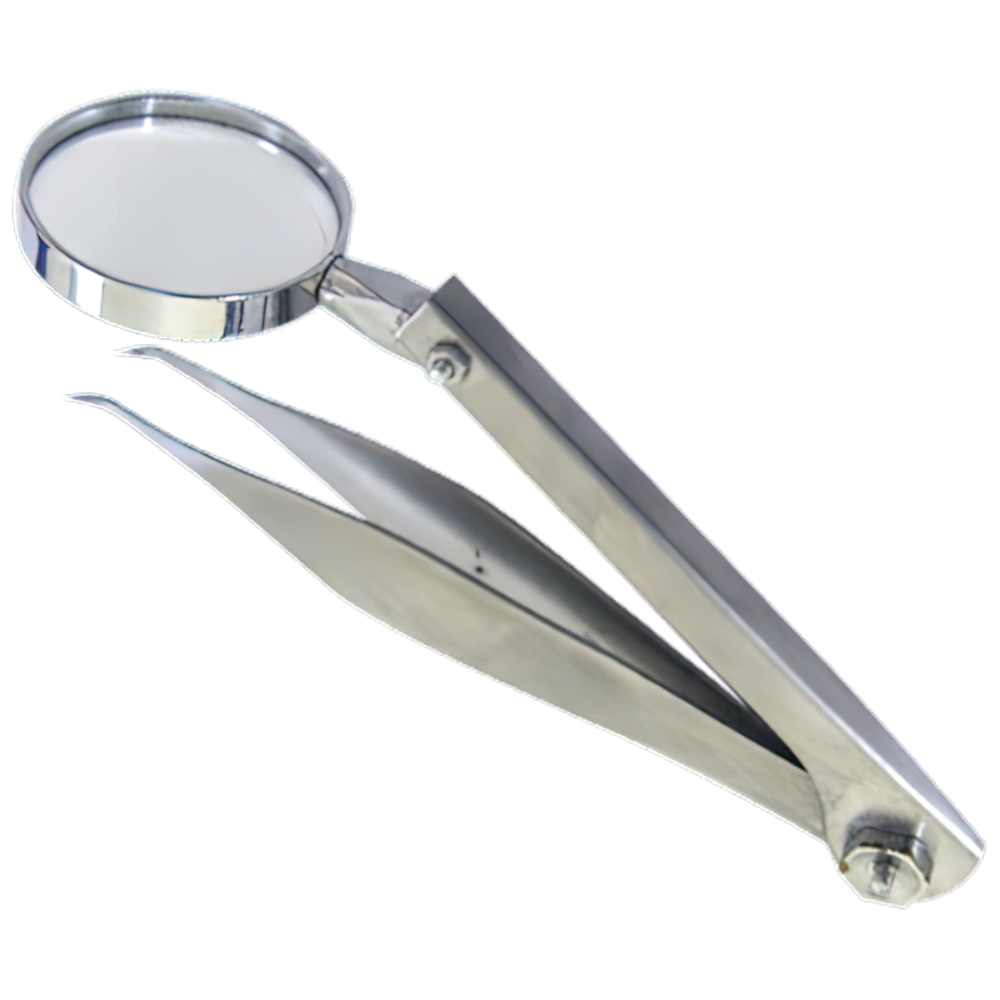
AEROINSTRUMENTS Magnifying Glass Forceps 11cm
Forceps with a built-in magnifier to see and grip in one hand.
Shop Now
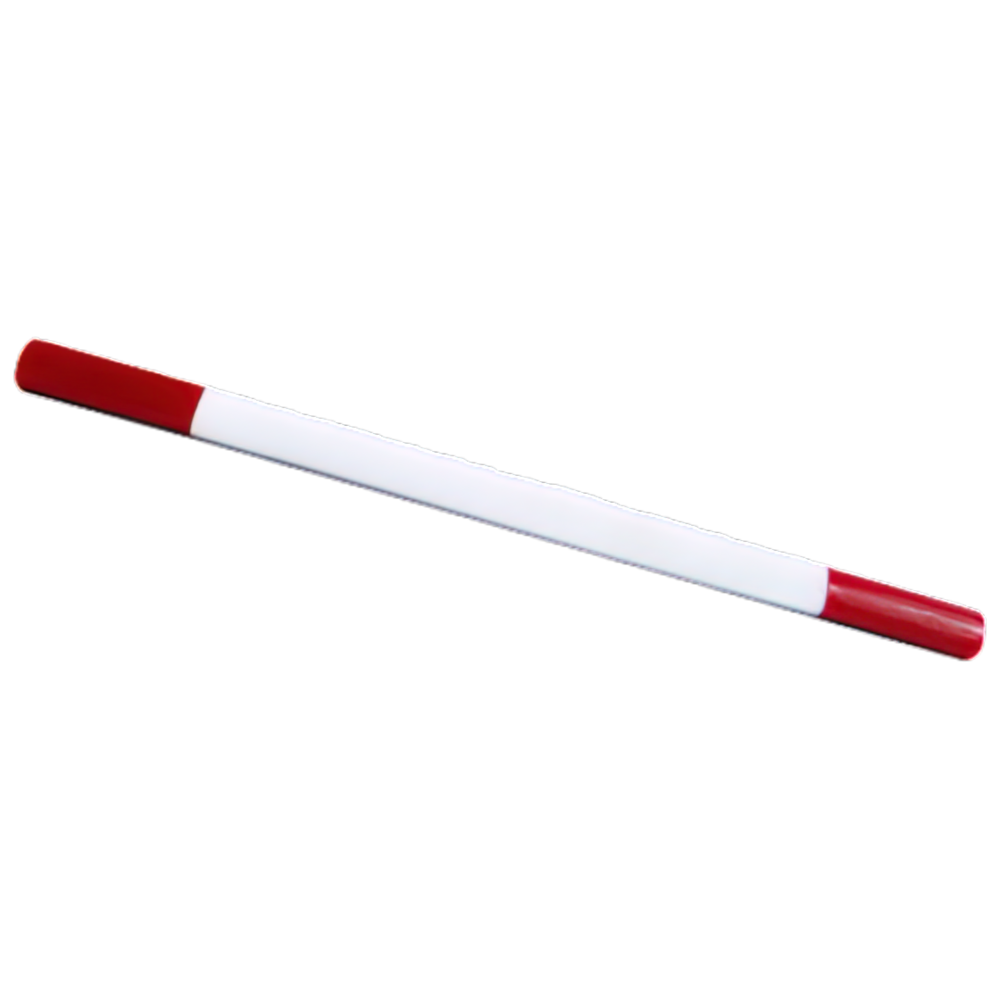
AEROPROBE Double-Ended Splinter Probe 11cm
Sterile probe to lift skin over a splinter end that sits below the surface.
Shop Now
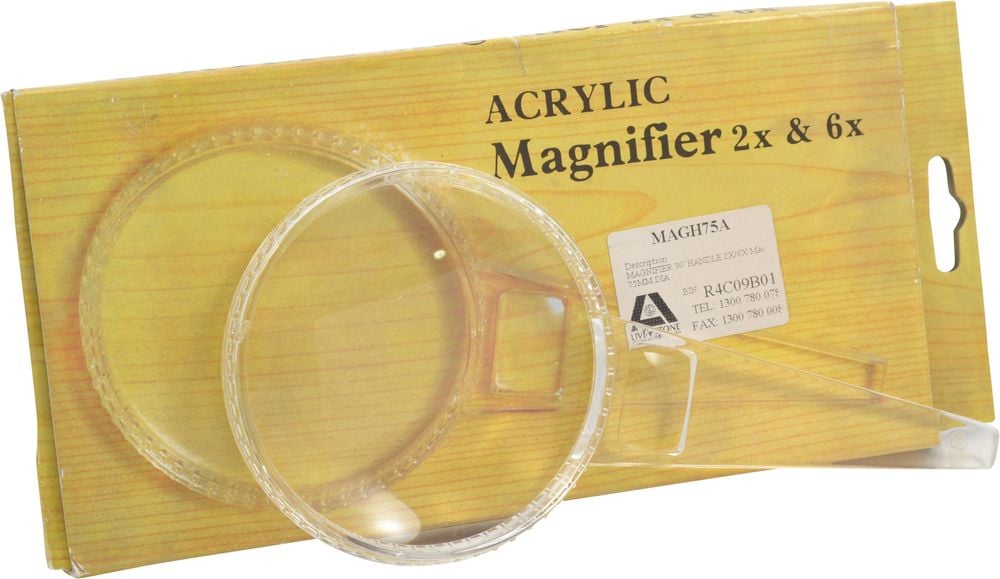
Magnifying Glass 2x and 6x
Handheld magnifier for finding glass, fibreglass and fine wood splinters.
Shop Now
Splinter removal FAQs
How do you get a splinter out that you cannot see?
Use strong light and a magnifying glass first, as many splinters are just hard to see. If none of it is sticking out, a sterile splinter probe can gently lift the skin over the end. If you still cannot find it, or it is deep, see a doctor.
How do you draw out a splinter naturally?
Pastes and poultices for drawing out splinters are popular online but are not part of Australian first aid guidance. The reliable method is sterile tweezers with good light. If you cannot reach it, ask a pharmacist or doctor rather than digging.
Should you squeeze a splinter out?
No. Squeezing can break wood splinters into smaller fragments and push pieces deeper. Grip it with sterile tweezers close to the skin and pull slowly at the angle it went in.
Is it OK to leave a splinter in?
Splinters left in the skin can cause infection, so remove it if you safely can. If you cannot reach it, or it is large, deep or dirty, see a doctor, and watch for redness, swelling, pus or fever.
Do I need a tetanus shot for a splinter?
You may. See your doctor within a day if it is over 10 years since your last tetanus vaccination, you have had fewer than 3 in total, or it is over 5 years and the wound was dirty or deep. Wood splinters carry a higher risk.
When should I see a doctor about a splinter?
See a doctor if the splinter is large, deep, barbed, heavily soiled, in or near the eye, over a joint or under a nail, or if the area becomes red, swollen, painful or you develop a fever.
Related first aid guides
Keep reading: first aid scissors, forceps and tweezers, how to stop bleeding quickly, how to make a wound heal faster and our first aid kit contents checklist.