


Did you know that more than 1,200 people are killed and around 44,000 are seriously injured on Australian roads every year?
These shocking statistics are the reason for National Road Safety Week, which is designed to raise awareness of accidents and their impact on victims and their families.
It takes place from 14 to 21 May and is also your chance to find out how to provide first aid in a road accident — why not make a start by reading our latest post about the week and what you could do to help?
About National Road Safety Week
National Road Safety Week is organised by the Safer Australian Roads and Highway (SARAH) Group, working closely with other road safety champions.
It takes place every year to raise awareness of road accidents their impacts and how to reduce their number.
People are invited to wear a yellow ribbon or display one on their vehicle to show their support of the week.
They are also encouraged to pledge to:
- Drive as if their loved ones are on the road ahead
- Never use their phone while driving or be distracted by other means
- Never to speed or drive when tired or under the influence of drugs or alcohol
- Drive with awareness of vulnerable road users
First aid for road accidents
The week is also a great opportunity to know more about first aid in a road accident. Learning a few simple skills will give you the confidence to deal with this situation if it ever arises.

If you’re the first on the scene of a road accident, here’s what you should do:
- Before you get close to the accident, you should assess whether it’s safe to do so. Only approach if you are not at risk of harming yourself
- If you have been involved in an accident, check yourself for injuries. If other people have been injured, look for bleeding from any part of the body
- Call triple zero (000) for help. The call operator will be able to guide you through the next steps while you wait for assistance
- If a casualty has stopped breathing, you may be asked to check their mouth for anything causing a blockage. You can use your index and middle fingers to remove the obstruction
- If you can’t detect a pulse and the casualty is not responsive, the call operator may ask you to perform CPR (cardiopulmonary resuscitation). You will be asked to move the casualty to the recovery position (if appropriate and spinal injuries are not suspected) then the operator will take you through what you need to do
- You can treat bleeding by placing a clean pad, dressing or cloth on the wound and applying pressure to the area
- If you suspect the casualty may be at risk of spinal injury, you should not move them unless they are in immediate danger
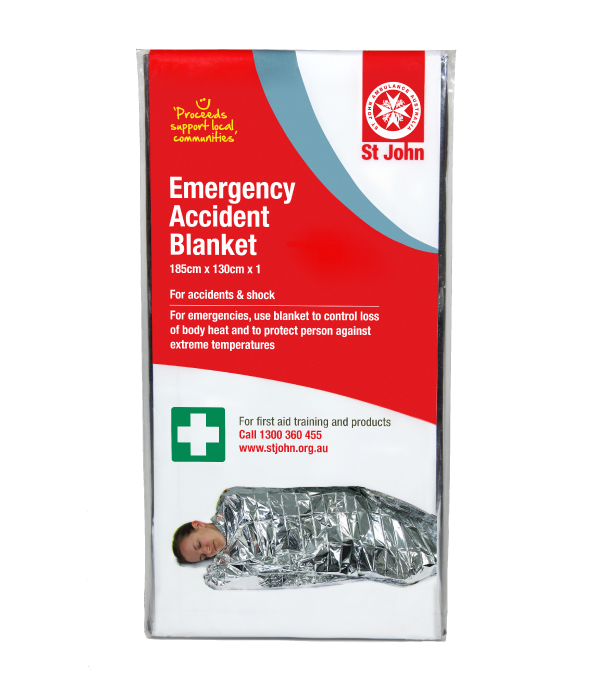
- Keep the casualty warm by covering them with an emergency accident blanket if you have one in your car or an item of clothing
How else can I prepare to help in a road accident?
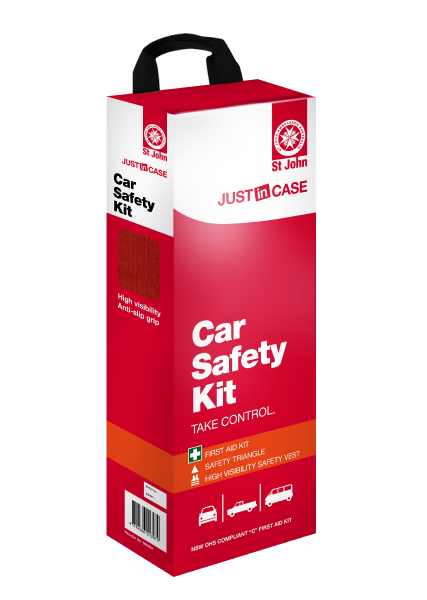
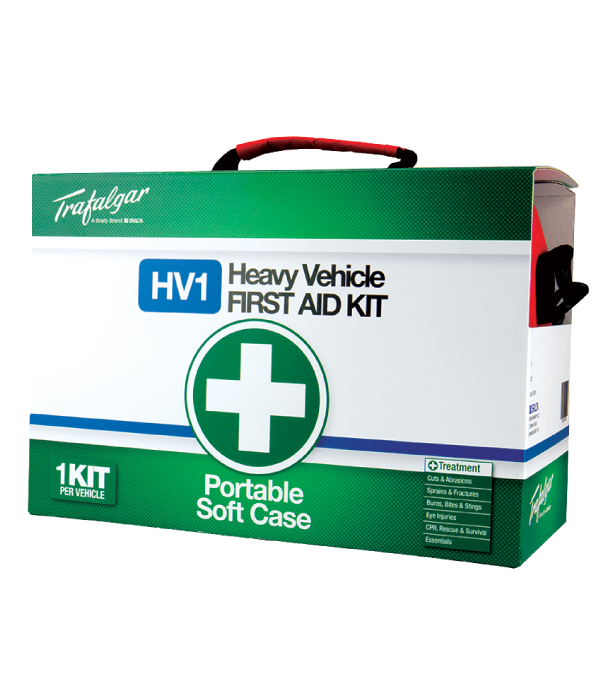
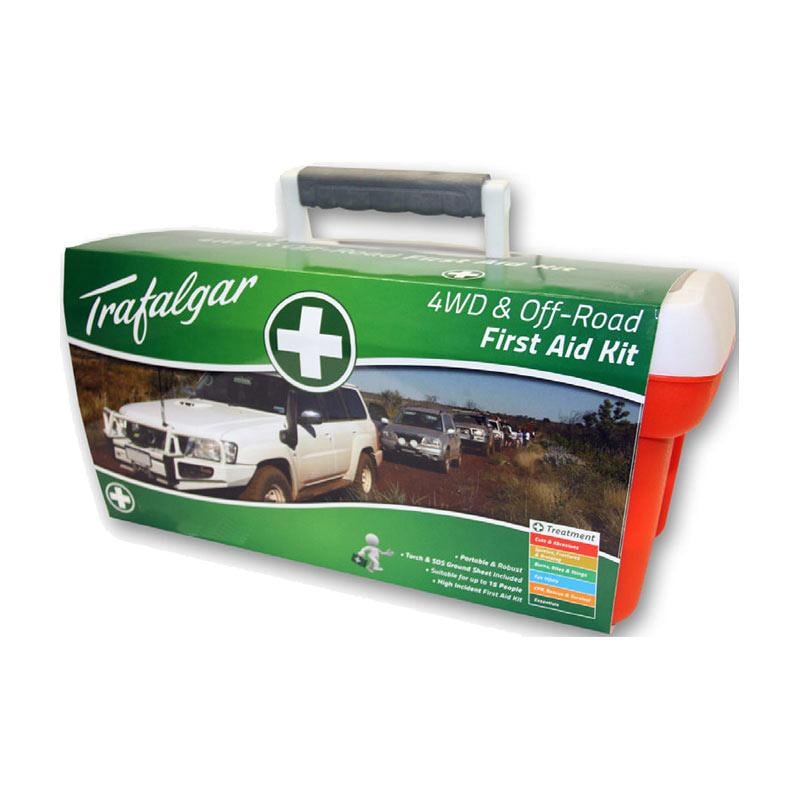
One of the simplest things you can do is store a first aid kit in your car. A vehicle first aid kit is ideal as it will include all the items you need like sterile dressings, a resuscitation face mask and nitrile gloves.
You may even want to invest in more specialised equipment like a portable defibrillator that can increase a casualty’s chance of survival if they experience a cardiac arrest.
You could also enrol on a first aid course offered by a recognised provider such as St John Ambulance. Here you will learn knowledge and skills, like the DRSABCD which is an action plan to treat patients in life-threatening situations.
Learning practical skills will also give you confidence if you are ever faced with treating casualties at the scene of an accident.
Be prepared this National Road Safety Week
While no one wants to be involved in a road accident, taking responsibility for driving safely can help reduce your chances of this happening.
That’s exactly what National Road Safety is all about —understanding what you can do as an individual to help reduce those statistics.
You can also use the week to ensure that you have a first aid kit in your vehicle — you’ll find a wide range of first aid kits, refills and other health and wellbeing products in the MediBC collection.
So be prepared this National Road Safety Week by brushing up on your first aid skills and getting that kit stocked up in case of an emergency — it’s one small investment that could help save a life or help an injured person in need.
Road Accident First Aid Essentials
Roadside-ready car, ute, truck, and 4WD first aid kits plus emergency blankets for accident response.