


Quick answer
If you find a tick attached in Australia, the safest advice is freeze it, don't squeeze it. Do not grab, twist or pull an embedded tick — disturbing it can inject more allergen-rich saliva and, in sensitised people, trigger a severe allergic reaction. Kill an adult tick where it is with an ether-containing freezing spray and let it drop off; dab tiny grass ticks (larvae and nymphs) with permethrin cream. If you are allergic to ticks, do not remove it yourself — get urgent medical help.
Health information, not medical advice. This page is general information and is not a substitute for professional care. If someone has trouble breathing, swelling of the face or tongue, collapse or any sign of a severe allergic reaction, call 000 immediately. For non-emergency advice, contact your GP or healthdirect on 1800 022 222. People with a known tick allergy should follow their ASCIA Action Plan for Anaphylaxis and carry their adrenaline autoinjector.
How to remove a tick safely (freeze, don't squeeze)
Australian experts and ASCIA recommend killing a tick where it is rather than pulling it out, because squeezing or disturbing a tick makes it more likely to inject saliva into the bite.
1Don't disturb itAvoid scratching, grabbing, twisting or pulling the tick.
2Freeze or treat itAdult tick: ether freezing spray. Small grass ticks: permethrin cream.
3Let it drop & monitorClean the area and watch for symptoms over days to weeks.
- Do not disturb the tick. Avoid scratching, grabbing, twisting or pulling it.
- Adult tick: use an ether-containing freezing spray (the kind sold to freeze warts) to kill the tick in place, then let it drop off.
- Small grass ticks (larvae and nymphs): these are hard to see — carefully dab a generous amount of permethrin cream onto the tick to kill it where it is.
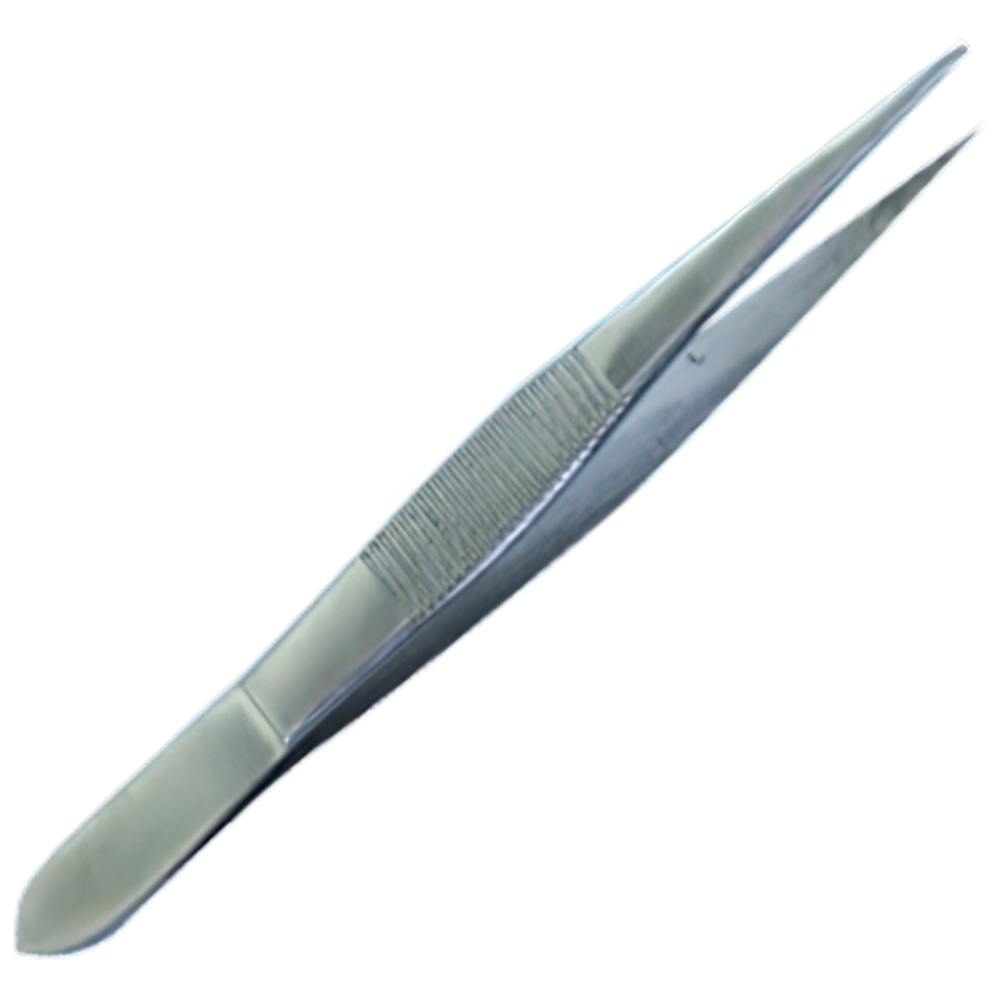
- If you have no spray and must remove an attached tick, use fine-tipped forceps as close to the skin as possible and lift without squeezing the body. Do not use blunt household tweezers.
- Clean the area with antiseptic and watch for symptoms over the following days and weeks.
If you are allergic to tick bites, do not attempt removal yourself: seek urgent medical help as soon as you notice an attached tick, and have ticks removed only where anaphylaxis can be managed.
Shop first aid kits Bites & stings kit
What is a paralysis tick?
The Australian paralysis tick (Ixodes holocyclus) lives in a humid band roughly 20 km wide along the east coast, from south-eastern Victoria through New South Wales to north of Cairns in Queensland. It favours wet forest, gullies and grassy areas, and is the tick most likely to cause serious illness in people and pets. Other ticks you may meet include the bush tick and the small grass tick (the larval and nymph life stages).
What do tick bites look like?
A tick bite often looks like a small red lump with the tick still attached at the centre. After the tick is gone it can leave an itchy red mark that lasts days to a couple of weeks. A spreading or target-shaped rash, fever, headache or feeling unwell after a bite should be checked by a doctor.
Tick bite symptoms and when to be concerned
Most tick bites cause only local itching and redness. Some people develop allergic reactions, and rarely tick paralysis. Tick paralysis is uncommon in people because a tick must usually be attached for several days to inject enough toxin, but people who are allergic can react quickly when a tick is disturbed. Seek help if any red-flag symptom appears.
| Usually mild | See a doctor / call 000 |
|---|---|
| Small itchy red lump at the bite | Trouble breathing, swelling of face or tongue, collapse (call 000) |
| Mild local swelling | Weakness, unsteadiness, drooping eyelids or facial weakness |
| Redness that settles over days | Spreading or target-shaped rash, fever, headache or feeling unwell |
Tick bites and red meat: mammalian meat allergy
In Australia, tick bites are linked to mammalian meat allergy (also called alpha-gal allergy), where a person reacts to red meat some hours after eating it. The allergy can follow bites from any blood-feeding life stage — larvae, nymphs (grass ticks) and adults — which is one more reason to remove ticks safely and avoid further bites. Many people who avoid further tick bites improve over 18 to 24 months, and some can tolerate red meat again within a few years. If you suspect a meat allergy after tick bites, see your GP, who may refer you to a clinical immunology or allergy specialist.
How to prevent tick bites
- Use an effective insect repellent on exposed skin before bushwalking or gardening.
- Wear long sleeves and long trousers tucked into socks in tick habitat; permethrin-treated clothing helps in tick-endemic areas.
- Check yourself, children and pets for ticks after time in bush or long grass.
- Remove any tick promptly using the freeze-don't-squeeze approach above.
Ticks and pets
Dogs and cats on the east coast are very susceptible to tick paralysis, which is potentially fatal. Warning signs include a changed bark or meow, wobbliness or weakness in the back legs that travels forward, laboured or noisy breathing, and vomiting or retching. If your pet shows these signs, treat it as an emergency and see a vet urgently — prompt tick removal and veterinary care give the best outcome. Do not use human tick products on pets; ask your vet about tick prevention suited to your animal.
Be ready before the bush walk
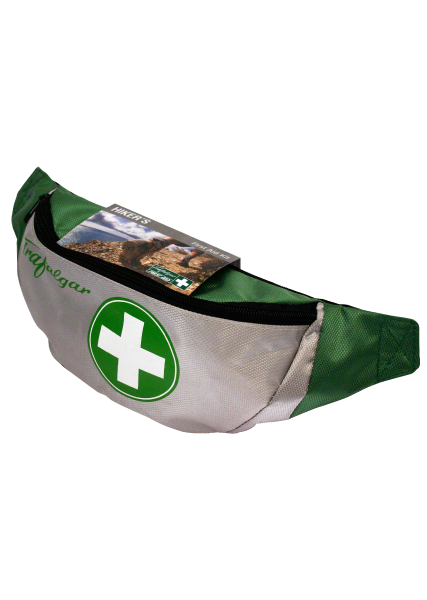
A well-stocked kit and the right tools make safe tick removal much easier. These MediBC products suit tick season and bushland trips.


Tick bite FAQ
Are tick bites deadly?
Most tick bites are not dangerous, but in Australia ticks can cause severe allergic reactions, mammalian meat allergy and, rarely, tick paralysis. Call 000 for any sign of a severe allergic reaction.
What should you put on a tick bite?
Once the tick has gone, clean the area with antiseptic and use a cold pack or soothing cream for itch. Avoid scratching, and watch for spreading rash, fever or feeling unwell.
Can you remove a tick with tweezers?
Avoid blunt household tweezers, which squeeze the tick's body. The Australian advice is to freeze an adult tick in place; if forceps are used they should be fine-tipped and lift close to the skin without squeezing.
How do you treat a tick bite?
Kill or remove the tick safely (freeze, don't squeeze), clean the area, manage itch, and monitor for symptoms over the following weeks. See a doctor for any rash, fever, weakness or allergic symptoms.
How long does a tick bite last?
A simple tick bite mark can stay itchy and red for days to a couple of weeks. Symptoms that worsen or spread, or any allergic or paralysis signs, need medical review.
Related first aid guides
See also insect bites and stings first aid, first aid kit contents checklist, first aid for spider bites, wasp sting first aid, how to treat a snake bite, bluebottle and jellyfish sting first aid, and the DRSABCD action plan.
Sources
- ASCIA (Australasian Society of Clinical Immunology and Allergy) — Tick Allergy (allergy.org.au/ticks) and Mammalian Meat and Tick Allergy FAQ.
- healthdirect Australia — Tick bites: symptoms, treatments and prevention.
- ANZCOR Guideline 9.4.3 — Envenomation from tick bites and bee, wasp and ant stings.