


It’s no surprise that Australia is a nation of water lovers since we are blessed with so many natural resources.
But are you fully aware of the risks of spending time in the ocean or pool, even if you’re a strong swimmer? And would you know what to do if someone was drowning?
In this post, we take you through the importance of water safety and what you should do in an emergency.
Water safety at the beach
Most of us love nothing better than a day at the beach. Take note of our safety tips to get the most out of your experience:
- For the safest experience at the beach, choose one that’s patrolled by lifeguards or surf lifesavers.
- Only swim between the red and yellow flags. These show the supervised area of the beach.
- Know what other flags mean. For example, a red flag indicates no swimming. Check out the complete list of beach flags and warning signals.
- Don’t swim on your own.
- Don’t swim after you’ve had a big meal or consumed alcohol.
- Know how to recognise a rip current, and avoid swimming if you see one. This is a rapid current that runs perpendicular to the shore. If you see an area where waves are not breaking or where the water looks darker, this is likely to be an area of rip current.
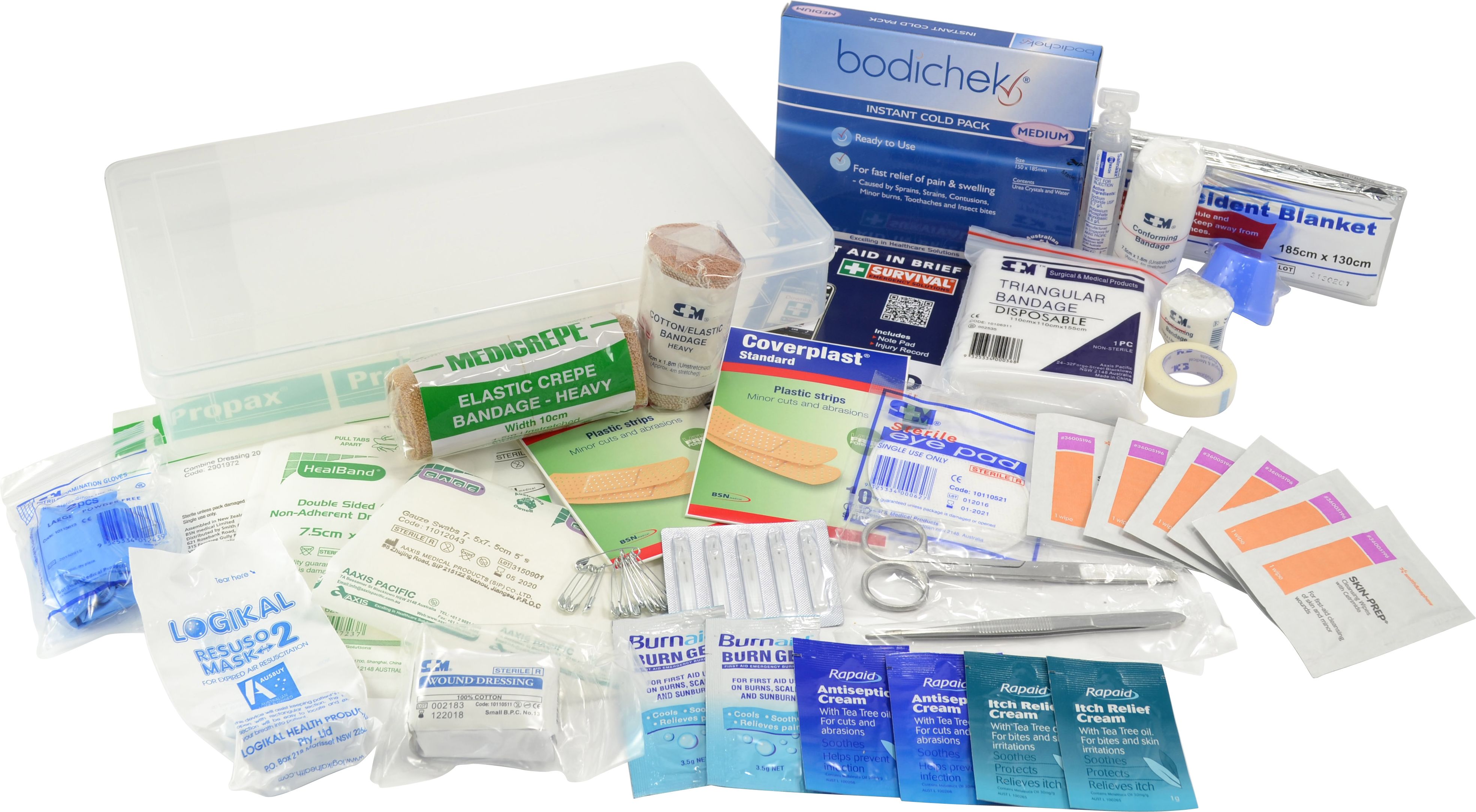
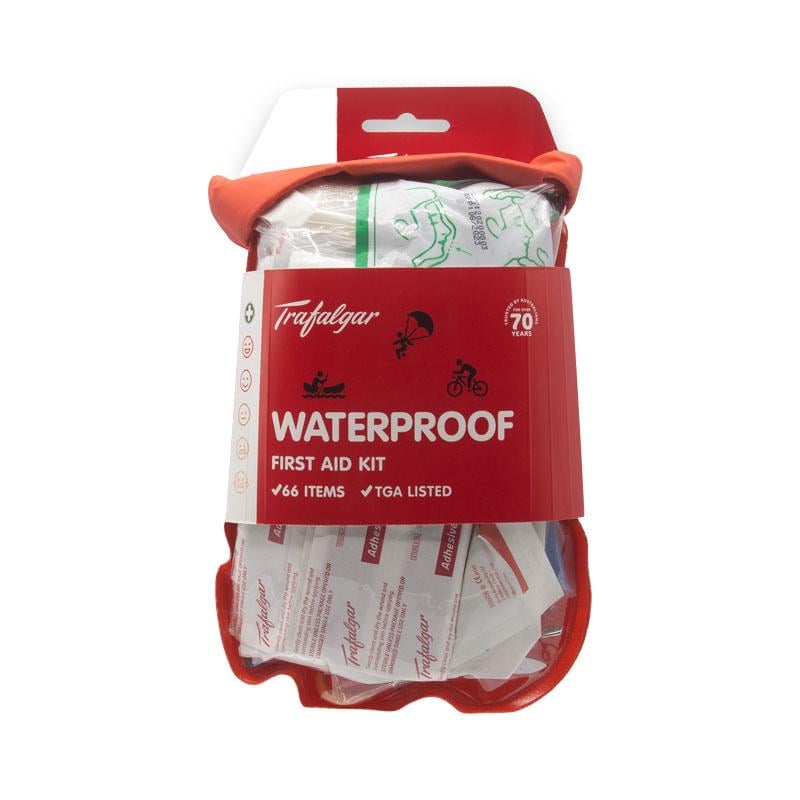
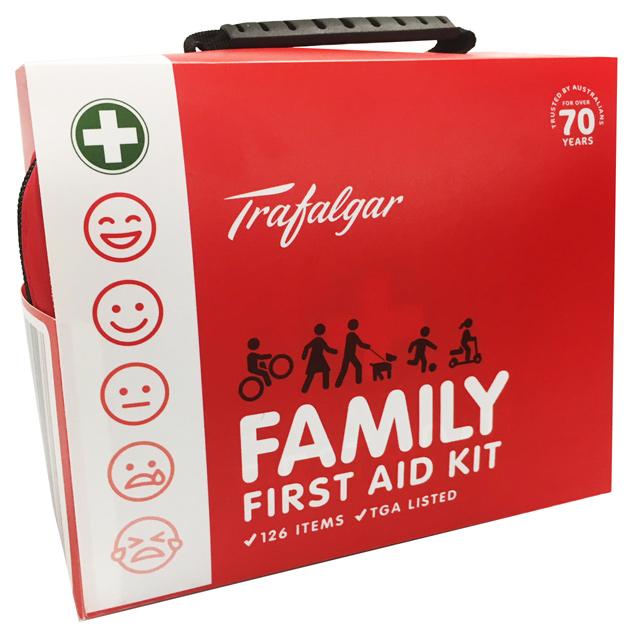
- Take a first aid kit with you on your beach day to treat any minor injuries. This may include an ice pack, which can be used for treating jellyfish or other stings.
Water safety at the pool
- Just like ocean swimming, avoid swimming in a pool after alcohol or a heavy meal.
- If you’re swimming at a public pool, let the lifeguard know if you are living with medical conditions like epilepsy that could affect your safety in the water.
- Also tell them if you need help getting into or out of the pool or if you are a non-swimmer so they can keep an eye on you.
- If you’re using a private pool, don’t swim on your own.
Water safety for kids

Nothing is as precious as our children, so follow these tips for their safety in the water:
- Always supervise your children in the water. Even if there is a lifeguard around, you must watch them at all times and be near enough to grab them if necessary.
- Get your child swimming lessons from a young age to give them confidence in the water.
- Make sure your child wears floaties until they are a competent swimmer.
- If you have a pool at home, make sure it has a safety fence and gate fitted.
What to do if someone is struggling or drowning
This is what to do if you see someone struggling in the water:
- If you see someone in the water with one arm raised, tell the lifeguard or surf lifesavers.
- You should also dial triple zero (000) and tell the emergency services.
- Keep watching the struggling swimmer.
- Don’t try to rescue them yourself — instead, wait for help.
If someone is drowning:
- If you see someone drowning, do not put yourself in danger to rescue them. Call for help from the lifeguard or dial triple zero (000) for the emergency services.
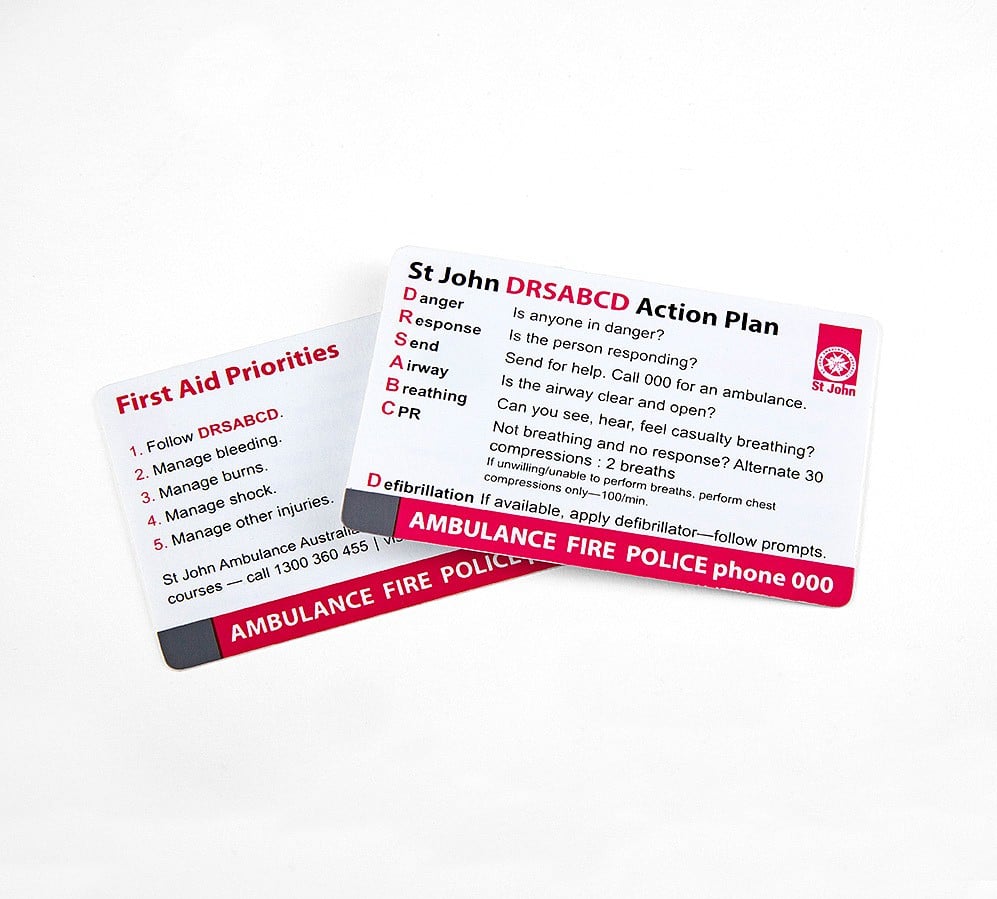
- Once they are safely out of the water, assess them using the DRSABCD method.
- Danger: Assess for danger.
- Response: Check to see if they are responsive. If they are not, they must be treated as quickly as possible.
- Send: Send for help if you haven’t already. This means calling triple zero (000) and finding someone nearby who can help you if possible.
- Airway: Check that the airway is open and clear.
- Breathing: Check whether they are breathing.
- CPR: If the patient isn’t breathing, you can start CPR. If you don’t know what to do, the emergency call operator can talk you through it.
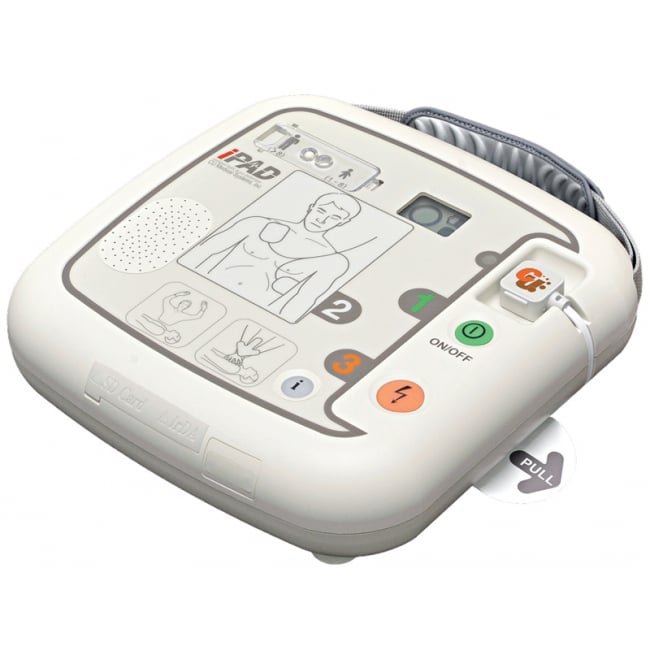
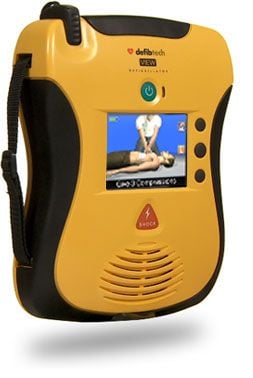
- Defibrillation: If there is a defibrillator nearby, follow its simple instructions to get the heart beating back to its normal rhythm again.
Secondary drowning
You should also be aware of secondary drowning. This is when a small amount of water gets into the lungs after a person has been submerged in water. Even if they have been rescued from the water and appear to be OK, it can still represent a real risk to health.
This is because the inhaled water stops the lungs from being able to oxygenate blood properly, which in turn causes difficulty breathing.
If you are with someone who has been submerged in water during the last 24 hours, look out for these signs:
- Difficulty breathing
- Coughing
- Chest pain
- Vomiting
- Extreme fatigue
- Changes in behaviour — for example, irritability
- Blue lips
- Pale skin
Get medical help immediately if you recognise any of these signs. After time in cold water, also watch for hypothermia, and keep them warm and dry while you wait for help.
Being prepared is part of having the best time!
The water is there for you to enjoy — but the key is to enjoy it safely.
You can do this by understanding water safety and knowing some basic first aid skills.
And make sure you have a first aid kit to hand when at the beach or pool to treat minor injuries like slips or stings. Browse our range of quality first aid kits to find one to keep by your side or in your vehicle.
Being prepared is an essential part of enjoying the water — it’s all part of having the best time outdoors with your family.
Water Safety & Drowning Response Essentials
Marine first aid kits, AEDs, and waterproof gear for boats, beaches, and pool sides.