


Reviewed by the Medibc First Aid Team — last updated May 2026.
Dealing with first aid emergencies is easier if you’re prepared.
That’s why we’ve written this article — to give you the basic facts you need about first aid for a variety of situations.
We’ve highlighted the 10 most common first aid emergencies so you know what to do with confidence. [Remember, always call triple zero (000) for help in serious situations.]
1. Burns and scalds
Put the affected area under cool running water for at least 10 minutes — longer if possible. If you can’t do this, place a cold, wet towel on it. Cover blisters with a clean dressing.
For chemical burns, brush any dry chemicals away from the skin and place the area under cool, running water for at least 15 minutes. Ensure that contaminated clothes are removed and stored safely.
2. Cuts, wounds and bleeding
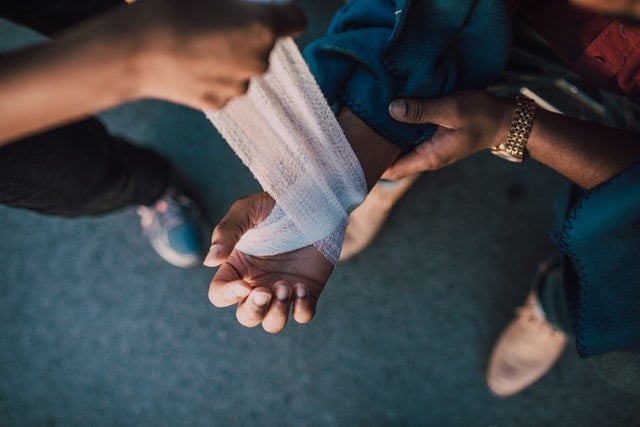
For small cuts, rinse the area under clean, running water for 5 minutes. Then apply antiseptic cream to the area and cover with a clean dressing.
For bigger wounds that are bleeding heavily, hold a clean dressing or cloth firmly over the wound. You may need to apply a second dressing over the top if the bleeding continues. Keep applying pressure.
You should call for help if you are unable to stop the bleeding, there is a foreign object in the wound or bone or tissue is visible.
3. Fractures and sprains
Use the RICE method to treat sprains:
- R: Rest the affected area
- I: Immobilise the limb, splinting it if necessary
- C: Cool the area by applying ice
- E: Elevate the limb/area above heart level, as long as it does not cause pain to the injured person
You may suspect that the injury is a fracture if:
- The patient experiences pain when trying to weight-bear or move or touch the affected area
- The area appears deformed or a bone is visible
- There is pronounced swelling or bruising around the injury
Suspected fractures must be seen by a healthcare professional, so make sure you call for help or take the patient to the emergency department.
4. Heart attack
Symptoms of heart attack can vary. They may include:
- Chest pain or a feeling of pressure in the chest
- Pain in other areas of the body, for example the left arm
- Dizziness
- Sweating
- Difficulty breathing
- Nausea and/or vomiting
- Coughing or wheezing
- Anxiety
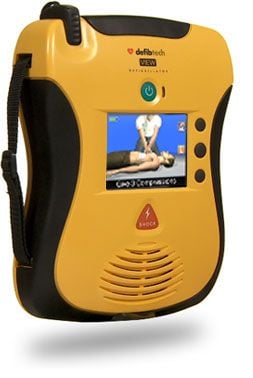
Call triple zero (000) immediately if you suspect someone is having a heart attack. The call handler will tell you what you need to do while you are waiting for help. They may instruct you to use a defibrillator if one is available or use chest compressions. While this sounds scary, don’t worry — they will guide you every step of the way.
5. Sunburn and heat stroke
You can treat mild to moderate sunburn with cold compresses, aftersun lotion and pain relief if necessary. If the sunburn is more severe and the patient is experiencing fever, weakness, dizziness or has blisters, ensure they see a healthcare professional.
For heat stroke, take the patient out of the sun and get them to rest in a shaded area or indoors. You can use ice packs to cool them down and give them plenty of liquids to rehydrate. Drinks that replace electrolytes are a good choice, and you can find them in many first aid kits.
6. Bites and stings
For minor bites from pets or animals you know are not stray, clean the wound thoroughly, then apply antiseptic cream and a dressing.
If the bite is from a wild animal, clean the wound and seek medical attention.
For a snake bite:
- Get the patient away from the snake.
- Call triple zero (000) for help.
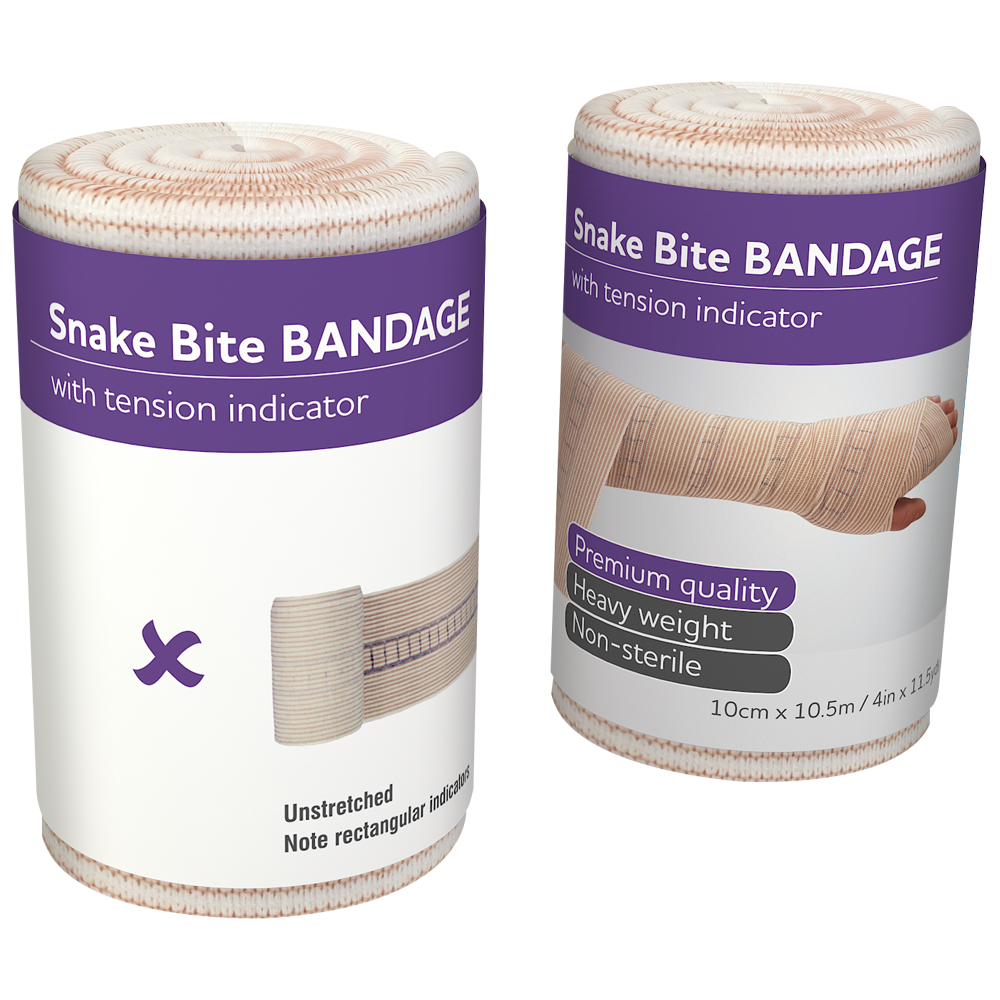
- Apply a pressure immobilisation bandage.
- Don’t wash the venom away, as it can help identify the snake.
For minor stings, remove the stinger if you can and wash and dress the area. If the patient has an allergy, call triple zero (000) for help immediately. If they use an adrenaline autoinjector such as an EpiPen, this is what you need to do:
- Form a fist around the EpiPen and pull off the blue safety release with your other hand.
- Place the orange end against the patient at the outer mid-thigh (clothed or unclothed), and push down hard until you hear a click.
- Hold in place for 3 seconds, then remove.
7. Choking
If the patient is unable to cough or breathe, use two of the three following options to try to dislodge the object that is causing choking, alternating between the two:
- Back blows
- Abdominal thrusts
- Chest thrusts
Have someone call triple zero (000) if possible while you are doing this. The call handler may instruct you on further treatment, such as CPR.
If the patient can cough, make them sit up and keep coughing. This may dislodge the object. Call triple zero (000) if the object does not come free.
8. Electrical injuries
For electrical injuries:
- Turn off the source of electricity.
- Move the patient away from the source, using a wood or plastic implement.
- Call triple zero (000) for help.
- Perform CPR if the person is not moving or breathing.
- Cover any burned areas with a clean cloth.
9. Stroke
Use the FAST acronym if you suspect someone is experiencing a stroke:
- F: Changes to the face, which could include drooping to one side
- A: Ask the patient to raise both arms. If one appears weak, this may indicate stroke.
- S: You may notice changes to their speech, or they may not understand you.
- T: Remember that time is crucial. Call triple zero (000) immediately if you think someone is having a stroke.
10. Seizure
If someone is having a seizure, they may experience involuntary jerking of limbs or twitching, or they could be completely still.
In either case, move any objects that could hurt the patient out of their way, and protect their head with something soft like a blanket. Roll the patient on their side.
Stay with the patient while they regain consciousness. If they experience seizures regularly, they are likely to have a recovery plan in place.
If it’s their first seizure, seek medical attention.
Tackle that first aid emergency with confidence!
This is to give you some basic guidance on common first aid emergencies. To boost your knowledge and confidence further, why not take a first aid course by a recognised provider like St John Ambulance Australia?
You can also be prepared by ensuring a first aid kit and supplies are available at your workplace, in your home or in your car.
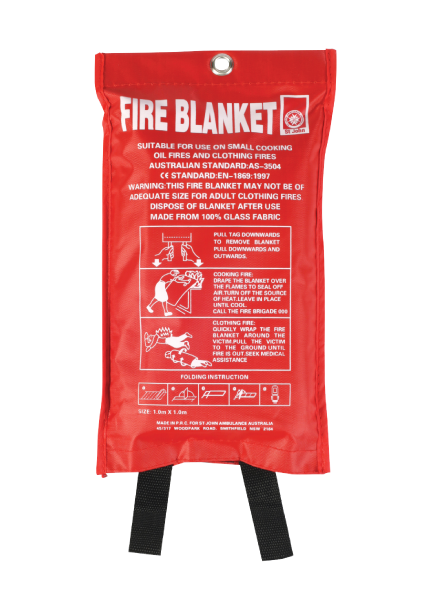
Take a look at our online collection of first aid kits for all kinds of situations and refills too. Being fully prepared will mean you’re able to tackle that first aid emergency with confidence!
Top First Aid Kits for Common Emergencies
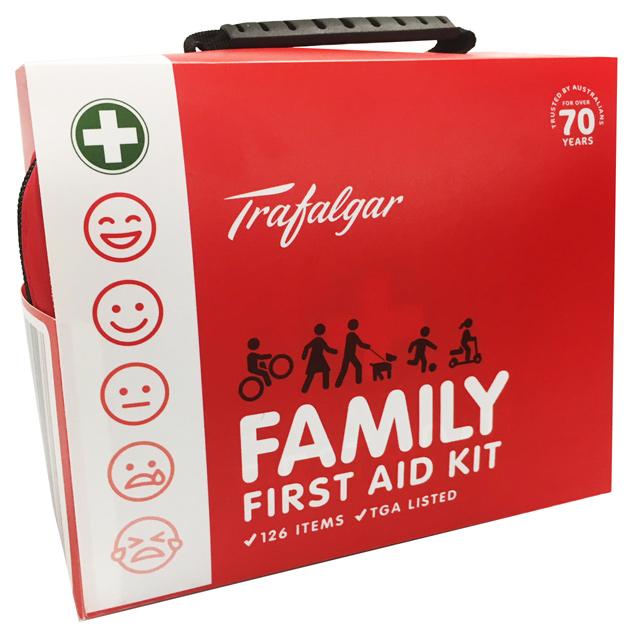
Family, snake-bite, and AED essentials for the ten most common first aid emergencies.

Frequently asked questions
What is the most common first aid emergency?
The most common first aid emergencies in Australian homes are falls (with cuts, bruises or fractures), burns (especially from cooking and hot water), poisoning (children and accidental medication), and choking (children under 5). In workplaces the leading emergencies are cuts, sprains, burns and electric shock. Australian Bureau of Statistics injury data shows these account for over 70% of first aid call-outs.
Should every Australian adult learn CPR?
Yes. Survival from out-of-hospital cardiac arrest drops 10% for every minute without CPR. Australia averages 6-9 minute ambulance response times in metro areas and longer in regional, so a bystander who starts CPR within the first 2 minutes can double or triple the survival rate. HLTAID009 (Provide CPR) certificates take half a day and are valid for 12 months.
How do I recognise stroke quickly?
Use the FAST test - F (Face): is the smile uneven or drooping? A (Arms): can the person raise both arms equally? S (Speech): is it slurred or confused? T (Time): call 000 immediately - every minute matters. Modern stroke treatments work best within the first 4.5 hours, and ambulance crews can pre-alert stroke units for faster door-to-needle times.
Sources: Australian Resuscitation Council Guidelines, AIHW — Injury overview, Stroke Foundation — FAST, healthdirect.gov.au.