


Reviewed by the MediBC First Aid Team · June 2026 · Aligned with ANZCOR Guideline 9.4.5
Quick answer
For a bluebottle sting, pick off any tentacles, rinse with seawater (not fresh water), and ease the pain with hot water (no hotter than 45°C) for 20 minutes or a cold pack. Do not use vinegar on a bluebottle. Vinegar is only for tropical jellyfish (box jellyfish and Irukandji) in northern Australia — douse for 30 seconds and call 000. If you cannot identify the species, or the person has trouble breathing, severe pain or widespread welts, treat it as an emergency.
How to treat a bluebottle sting
Bluebottles (Physalia) are the blue, balloon-shaped marine stingers behind most beach stings on Australia's east and south coasts. They are painful but rarely dangerous. ANZCOR's first-aid steps are:
- Get the person out of the water and keep them calm. Do not rub the sting site.
- Pick off any visible tentacles with your fingers and rinse the area with seawater — never fresh water, which makes undischarged stinging cells fire.
- Do not apply vinegar to a bluebottle sting. Vinegar triggers nematocyst discharge in Physalia and can make the sting worse.
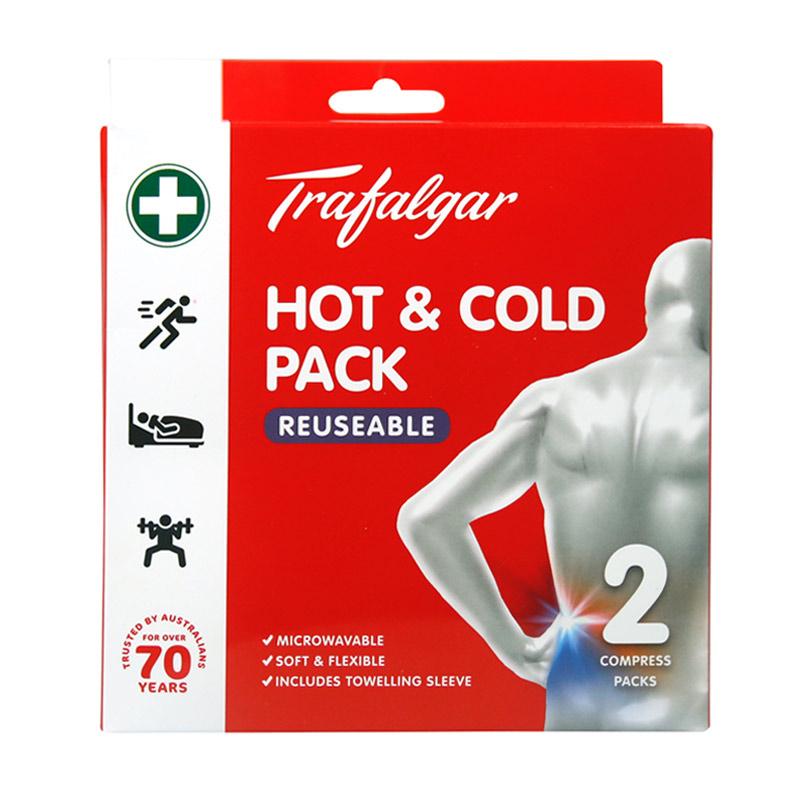
- Relieve pain by immersing the area in hot water no hotter than 45°C for about 20 minutes. If hot water is not available, a cold pack or ice in a dry plastic bag also helps.
- Seek medical help if pain is severe, welts are widespread, or the person develops any general symptoms such as breathing difficulty.
Jellyfish sting treatment: tropical vs non-tropical
The single most important question is where you are. The correct first aid for a jellyfish sting differs completely between tropical northern Australia and the rest of the country.
| Bluebottle / non-tropical jellyfish | Tropical jellyfish (box, Irukandji) | |
|---|---|---|
| Where | Southern and eastern coasts | Northern Australia (roughly north of Bundaberg / Exmouth), mainly Oct–May |
| Vinegar? | No — makes it worse | Yes — douse for at least 30 seconds |
| Pain relief | Hot water 45°C for 20 min, or cold pack | After vinegar — focus is on emergency care, not pain relief |
| Call 000? | Only if severe or general symptoms | Always — watch for cardiac arrest, be ready for CPR |
Should you use vinegar on a bluebottle sting?
No. Vinegar should not be used on a bluebottle (Physalia) sting — it causes undischarged stinging cells to fire and can intensify the sting. Vinegar is recommended only for tropical box jellyfish and Irukandji stings. For a bluebottle, use hot water or a cold pack for pain relief instead.
Two other beach myths worth retiring: urinating on a sting does not help and may worsen it, and rinsing a bluebottle sting with fresh water (including a beach shower) can trigger more stinging cells to discharge. Rinse with seawater only.
When a jellyfish sting is an emergency
Call 000 immediately and start the DRSABCD action plan if a stung person shows any of: difficulty breathing, chest or severe generalised pain, nausea or vomiting, a sting from a suspected box jellyfish or Irukandji, a sting over a large area, or a sting to a child or someone elderly or unwell. Irukandji syndrome can develop 20–40 minutes after a sting that first seemed minor, so keep watching the person.
How long does a bluebottle sting last?
Most bluebottle stings ease within 1–2 hours, with the immediate sharp pain fading after about 20 minutes of hot-water immersion. Redness, welts and itching can linger for a few days. See a doctor if the area shows signs of infection or the welts are not settling.
Australian first aid supplies, dispatched from Australia.
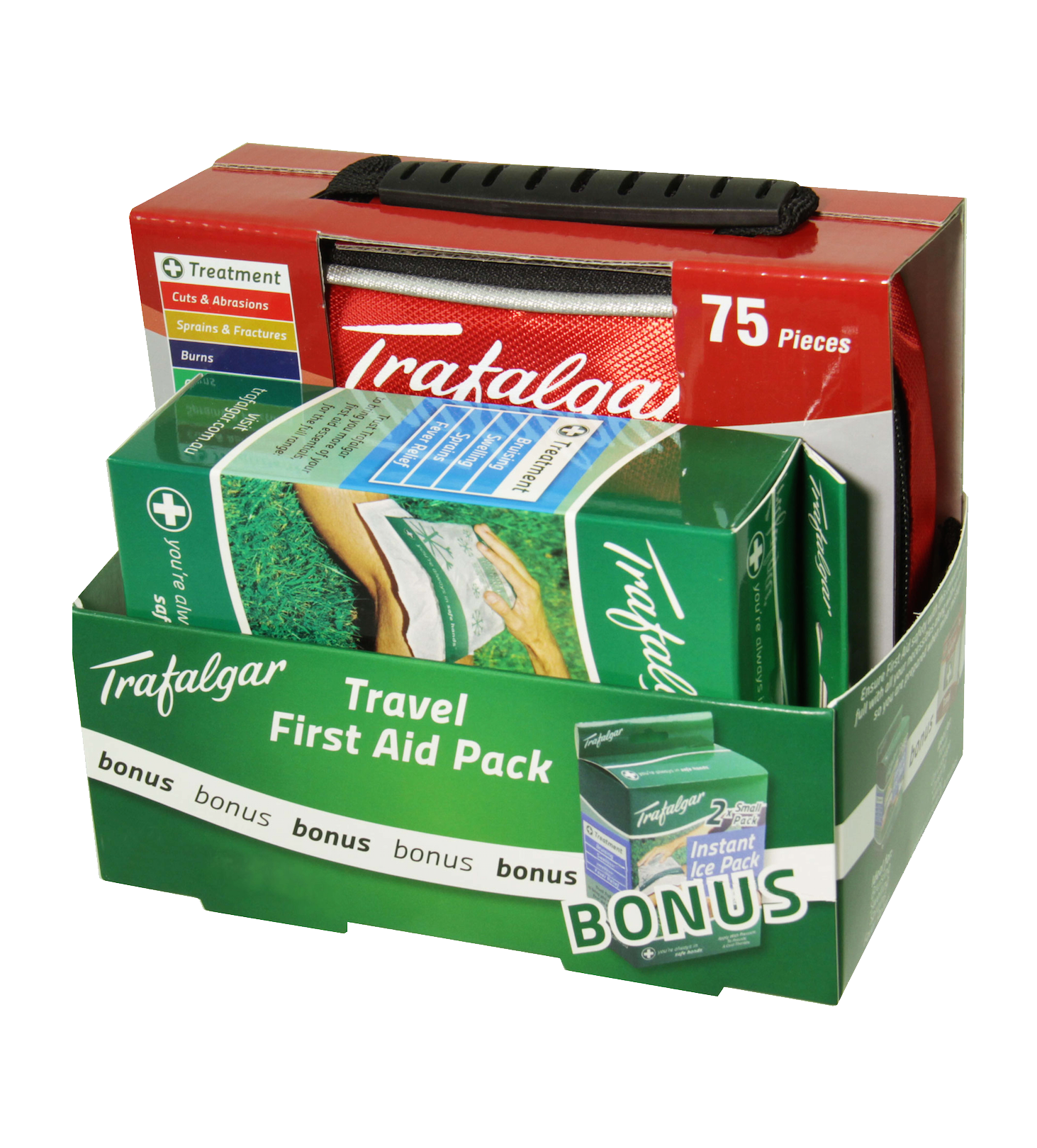
Shop first aid kits →Bluebottle and jellyfish first aid kit checklist
- Instant cold pack or reusable hot/cold pack (for pain relief)
- Vinegar (household white vinegar — for tropical jellyfish only)
- Tweezers for tentacle removal
- A copy of the DRSABCD action plan
- Emergency contact card and a 000 reminder
Frequently asked questions
Is vinegar good for a bluebottle sting?
No. Vinegar is only for tropical box jellyfish and Irukandji stings. On a bluebottle it can trigger more stinging cells and worsen the sting. Use hot water (up to 45°C) or a cold pack instead.
How do you treat a bluebottle sting?
Remove tentacles, rinse with seawater, then immerse in hot water no hotter than 45°C for 20 minutes, or use a cold pack. Do not use vinegar or fresh water.
Should you pee on a jellyfish sting?
No. Urine does not neutralise jellyfish venom and may make the sting worse. It is a myth.
Are bluebottle stings dangerous?
They are painful but rarely dangerous for healthy adults. Seek medical help for severe pain, widespread welts, breathing difficulty, or stings in children or the elderly.
What is the difference between a bluebottle and a box jellyfish?
A bluebottle (Physalia) is a blue, balloon-shaped stinger common on southern and eastern coasts; its sting is painful but rarely life-threatening. Box jellyfish and Irukandji are tropical and can be life-threatening — those need vinegar and an immediate 000 call.
Related first aid guides
For other common Australian bites and stings, see first aid for spider bites, how to treat a snake bite, tick bite first aid, wasp sting first aid, and first aid for burns and scalds.
Sources
- ANZCOR Guideline 9.4.5 — First Aid Management of Marine Envenomation (Jellyfish Stings)
- RACGP — Hot water immersion for bluebottle stings (AFP, June 2013)
- healthdirect — Jellyfish stings: types, symptoms and treatment
- Surf Life Saving Australia — beach safety guidance
This guide is general first aid information, not a substitute for professional medical advice. In an emergency call 000.