


If you have responsibility for a community space such as a library or community café, you will know how important it is to make it safe for users.
In this article, we’ll show you how to achieve this with our common sense tips.
They are all simple to put in place and will mean that your community space stays safe and welcoming for staff, volunteers and users.
1. Publish community safety guidelines
It makes sense to set out in a formal document how you will make your community space a safe one.
This will list all the areas of safety that you need to develop actions for. It will also act as both a checklist for you to work with and a record of your safety actions.
You can publish your safe space community guidelines on your organisation’s website. You should also have hard copies available.
2. Safeguard personal safety
Whatever kind of organisation you manage, you should prioritise personal safety for users, staff and volunteers.
The details of what you need to do will depend on who uses your space. For example, if it’s somewhere that children play, you will need to ensure that:
- The space is clean and free of anything that could harm children, like broken glass or dog excrement.
- Children are supervised either by their parents or carers or by trained staff.
- Only trusted adults may pick up children from play sessions.
Other general measures you can take to ensure personal safety include:
- Installing CCTV inside and outside your premises
- Providing a staffed reception area
- Keeping a visitors’ log
- Making sure that staff and volunteers have provided clear National Police Checks and verified references
3. Consider cybersecurity
If your community space involves access to the internet or shared devices, then you need to make users aware of cybersecurity.
You should take the following steps to ensure online safety:
- Install anti-virus and anti-spyware programmes to protect any devices in your community space.
- Provide password-protected access to your organisation’s Wi-Fi.
You can also remind your users of basic security measures they should take when accessing the internet in your community space. These include steps like:
- Being aware of email and online scams
- Not giving away personal information or images online
- Being careful about starting relationships online
- Keeping their personal devices secure with strong passwords
- Covering their webcam when not in use
4. Train staff and volunteers in first aid
You can also organise first aid training for staff and volunteers. This ensures that minor health issues can be dealt with efficiently and that they will know what to do while they are waiting for help with major incidents.
Training your staff and volunteers also means that accidents are less likely to happen because they will be more aware of hazards in their surroundings.
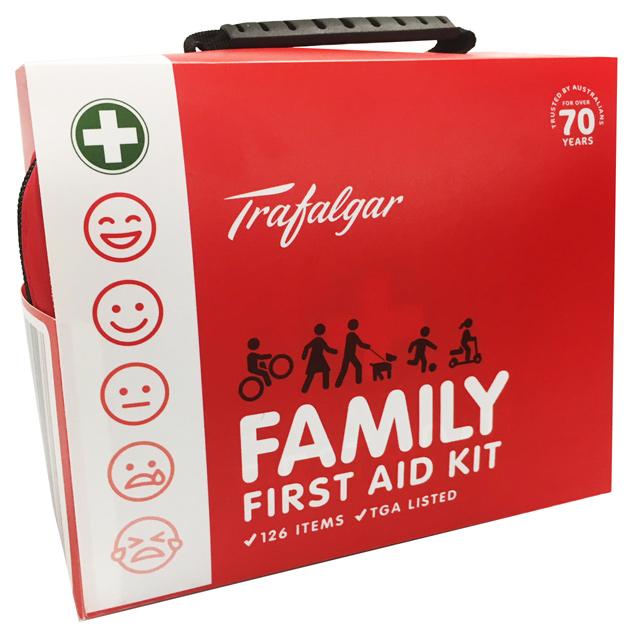
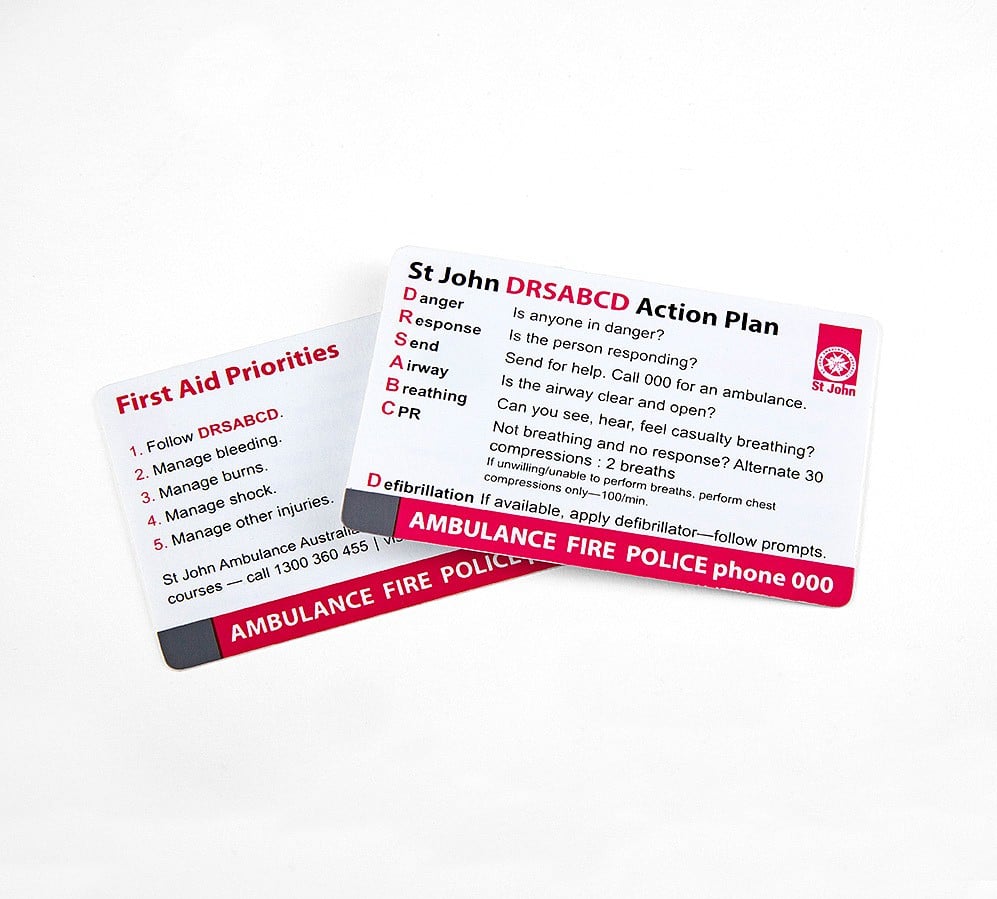
In addition to training, make sure you have a first aid manual available for staff and volunteers to refer to. Have plenty of first aid supplies within easy reach, too.
Invest in a workplace or childcare first aid kit and ensure it is replenished as often as needed.
You can also appoint a first aid leader from your team to take responsibility for keeping training up-to-date.
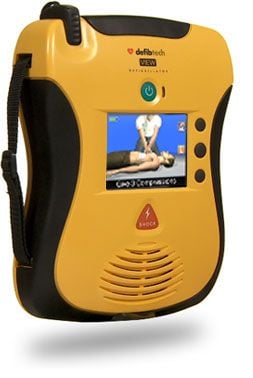
5. Keep a defibrillator on-site
Every year, over 30,000 Australian people experience a cardiac arrest. And if this takes place outside a hospital, fewer than 1 in 10 will survive.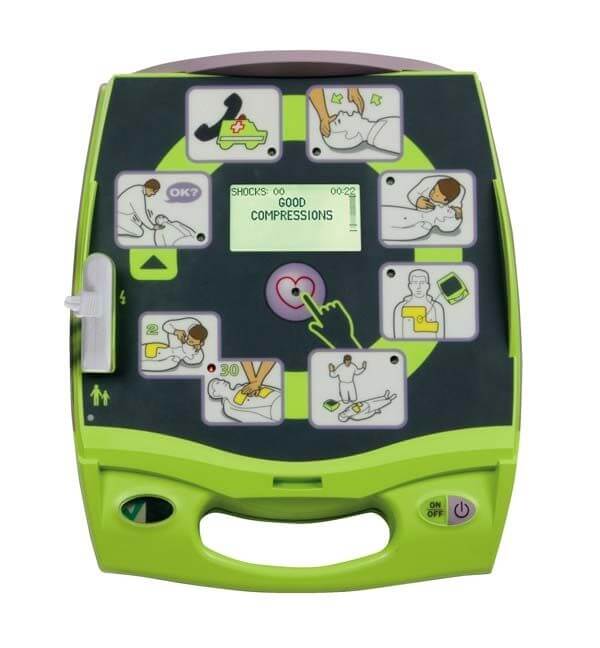
This is why it’s so important to keep a defibrillator on-site. Defibrillators are medical devices that can help restart the heart or shock it back into its normal rhythm using electricity.
You can recognise a cardiac arrest by the following signs:
- The affected person is unresponsive.
- Their heart has stopped beating.
- Their skin looks blue or pale.
This is what you should do if someone has a cardiac arrest in your community space:
- Dial 000 and tell the call handler that there has been a cardiac arrest.
- Use a defibrillator in conjunction with CPR (cardiopulmonary resuscitation).
- An automated external defibrillator (AED) will tell you what to do. This is the typical sequence when using an AED:
- Turn the AED on and follow the visual or audio instructions.
- It will tell you to apply the pads to the affected person’s chest.
- You may need to plug in a connector.
- Ensure that no one is touching the person, including yourself, and allow the AED to analyse their heart rhythm.
- The AED may tell you to deliver a shock. Tell everyone to stand clear and make sure you are not touching the person. Then you can press the “shock” button.
- After the shock, start CPR while following the AED’s instructions while you wait for help
You should also have a defibrillator sign displayed in a prominent position in your community space so the defibrillator can be accessed easily in an emergency.
Helping you make safer spaces
Keeping your community space safe involves a wide range of responsibilities. But each of these can be fulfilled by taking some simple yet effective steps.
As one of Australia’s premier suppliers of first aid kits and defibrillators, MediBC can help you make your community space a safer one for staff, volunteers and users.
Check out our collection of first aid supplies and defibrillators, delivered quickly with great customer service, too!
Community Space Safety Essentials
AEDs, family first aid kits, and workplace kits to keep your community space safe for staff, volunteers, and visitors.