


Quick answer
For most wasp stings: move away from the wasp, apply a cold pack, and use a soothing cream or an oral antihistamine for itch. Unlike a bee, a wasp does not leave a stinger and can sting more than once, so there is nothing to scrape out. Watch for a severe allergic reaction — if there is trouble breathing, swelling of the face or tongue or collapse, use an adrenaline autoinjector if available and call 000 immediately.
Health information, not medical advice. This page is general information and is not a substitute for professional care. For any sign of a severe allergic reaction, call 000. For non-emergency advice, contact your GP or healthdirect on 1800 022 222. People with a known insect-sting allergy should follow their ASCIA Action Plan for Anaphylaxis and carry their adrenaline autoinjector.
How to treat a wasp sting
1Move to safetyCalmly move away — wasps can sting again and may signal others.
2Cool and sootheApply a cold pack; use a soothing cream or oral antihistamine for itch.
3Watch for reactionMonitor for allergic symptoms; call 000 and use an autoinjector if severe.
- Move calmly away from the wasp and any nest.
- Wash the area with soap and water.
- Apply a cold pack to reduce pain and swelling; a soothing cream or oral antihistamine can ease itch.
- There is no stinger to remove (see below) — do not dig at the skin.
- Watch for signs of a severe allergic reaction over the next hours.
Shop first aid kits Bites & stings kit
Do wasps leave a stinger? Bee vs wasp
This is the key difference. A honey bee leaves its barbed stinger in the skin and dies, so a bee sting needs the stinger scraped out quickly. A wasp keeps its stinger and can sting repeatedly, so there is nothing to remove after a wasp sting.
| Bee | Wasp | |
|---|---|---|
| Leaves a stinger? | Yes — scrape it out (don't pinch) | No |
| Can sting again? | No (usually dies) | Yes, multiple times |
| First aid | Remove stinger, then cool | Cool and soothe; watch for reaction |
The European wasp in Australia
The European wasp (Vespula germanica) is an introduced pest that is increasing across southern Australia. It is aggressive near its nest and is attracted to food, meat and sweet drinks, so stings often happen at barbecues and picnics — check open cans and glasses before you drink. European wasps can sting repeatedly and a sting can be more painful than a bee sting.
Paper wasp stings
Native paper wasps build small nests under eaves, in shrubs and on outdoor furniture. They sting to defend the nest and, like the European wasp, can sting more than once. Paper wasp stings are a common cause of painful local reactions in Australia.
Wasp sting symptoms and when to be concerned
Most stings cause sharp pain, redness and local swelling that settles over hours to a few days. Some people get a larger local reaction. A small number have a severe, whole-body allergic reaction (anaphylaxis), which is a medical emergency.
| Usually mild | See a doctor / call 000 |
|---|---|
| Sharp pain and redness at the sting | Trouble breathing, wheeze, or swelling of face, lips or tongue (call 000) |
| Local swelling and itch | Dizziness, collapse, or a widespread rash or hives |
| Swelling that eases over a few days | Many stings at once, or a sting inside the mouth or throat |
How long does a wasp sting last?
Pain usually eases within a few hours. Redness and swelling often settle over one to a few days; a larger local reaction can take up to about a week. See a doctor if it spreads, looks infected, or you feel unwell.
Allergic reactions and anaphylaxis
If you know you are allergic to wasp or bee stings, carry your adrenaline autoinjector and follow your ASCIA Action Plan. For any sign of anaphylaxis — trouble breathing, swelling of the face or tongue, collapse — use the autoinjector immediately, then call 000. After a severe reaction, ask your GP about referral to a clinical immunology or allergy specialist.
How to prevent wasp stings
- Cover food and drinks outdoors; check cans and glasses before drinking.
- Avoid strong perfumes and bright floral patterns near wasps.
- Stay calm and move away slowly rather than swatting.
- Have nests near the home removed by a professional.
Be ready for sting season
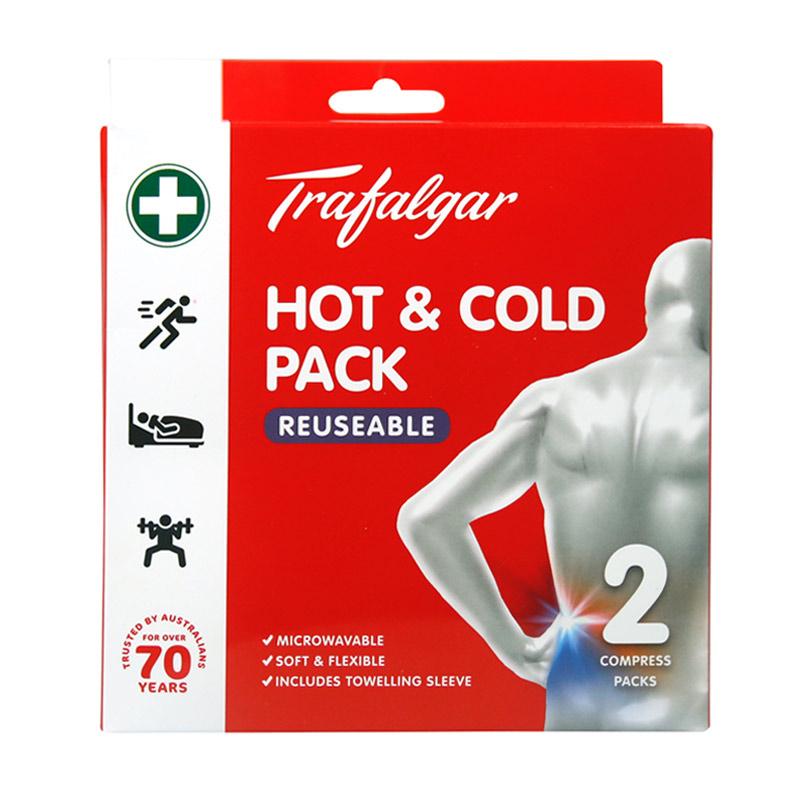
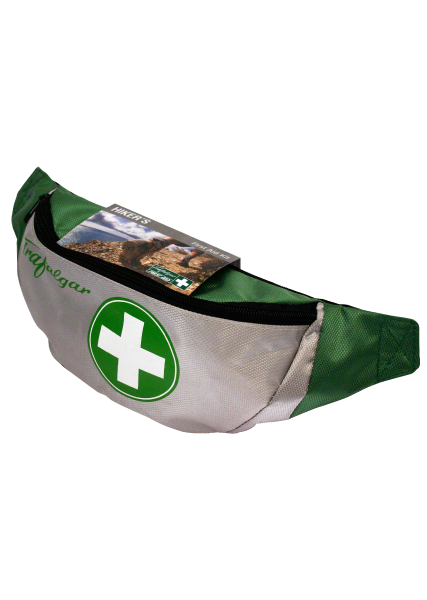
A cold pack and a stocked kit make wasp stings easier to manage at a barbecue or on the trail.

Wasp sting FAQ
What should you put on a wasp sting?
Apply a cold pack to reduce pain and swelling, then a soothing cream or an oral antihistamine for itch. There is no stinger to remove after a wasp sting.
Do wasps leave a stinger like bees?
No. A wasp keeps its stinger and can sting more than once, so there is nothing to scrape out. Only honey bees leave a barbed stinger behind.
How long does a wasp sting last?
Pain usually eases within hours and swelling settles over one to a few days. A larger local reaction can last up to about a week.
When should you worry about a wasp sting?
Seek urgent help for trouble breathing, swelling of the face or tongue, collapse, a widespread rash, many stings at once, or a sting in the mouth or throat. Call 000.
Are European wasp stings dangerous?
For most people a single sting causes painful local swelling. European wasps can sting repeatedly, and people who are allergic can have a severe reaction needing emergency care.
Related first aid guides
See also what should be in a first aid kit, tick bite first aid, first aid for spider bites, how to treat a snake bite, and bluebottle and jellyfish sting first aid.
Sources
- healthdirect Australia — Bee and wasp stings: treatment.
- ASCIA — Allergic Reactions to Bites and Stings; ASCIA Action Plan for Anaphylaxis.
- Better Health Channel (Victoria) — European wasp.
- ANZCOR Guideline 9.4.3 — Envenomation from tick bites and bee, wasp and ant stings.