


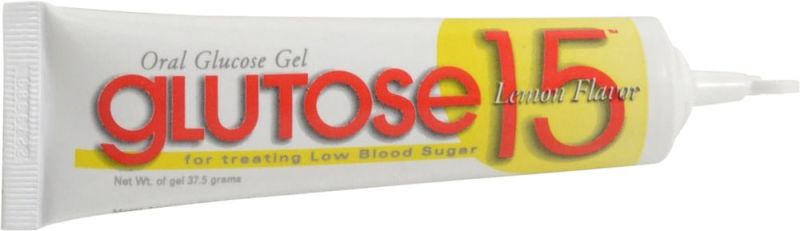
Glucose Gel Tubes Oral 15 37.5gm - Lemon
Miscellaneous
$13.26
Secure checkout
VISA
Mastercard
Apple Pay
Google Pay
Also accepted
AMEX
Afterpay
Zip
Klarna
PayPal
In stock
Only 1000 left
SKU
400006
Oral glucose gel tubes, lemon flavour, 37.5g each, pack of 15. A fast-acting source of glucose for treating hypoglycaemia in someone who is conscious and able to swallow.
Why glucose gel rather than a sugary drink
Any fast sugar works in principle. Gel wins on three practical points: it has a known, consistent carbohydrate load per tube so nobody is guessing how much was given, it does not spill or need refrigeration, and a single-use tube in a first aid kit is always there, unlike the jellybeans somebody ate last month.
In a workplace, school or clinical setting that consistency is the point. The person treating a hypo should not be estimating.
Recognising a hypo
Shakiness, sweating, pallor, hunger, a pounding heart, tingling lips, confusion, irritability or unusual behaviour, and difficulty concentrating. It can come on quickly. People who have had diabetes a long time may lose these early warnings, which is why bystanders knowing the signs matters.
Never give anything by mouth to someone who is unconscious, drowsy, fitting or unable to swallow safely. That is a medical emergency: call your local emergency number, place them on their side, and do not attempt to put gel in their mouth. Oral glucose is only for a conscious, cooperative person who can swallow.
After the gel
Fast glucose corrects the number; it does not keep it there. Once the person has recovered, follow with longer-acting carbohydrate such as a sandwich, fruit or their usual meal, or the hypo can return within the hour. Recheck blood glucose if a meter is available, and follow the person’s own hypo management plan where they have one.
Seek medical advice if the person does not improve, if hypos are happening repeatedly, or if this is the first one and the cause is unknown. Keep it with your first aid kit, or browse medical supplies for glucose monitoring.
Specifications
| Type | Oral glucose gel |
| Flavour | Lemon |
| Tube size | 37.5g |
| Pack | 15 tubes |
| Use | Hypoglycaemia in a conscious person able to swallow |
| Storage | No refrigeration required |
Oral glucose gel FAQs
What is glucose gel used for?
Treating hypoglycaemia, low blood glucose, in a person who is conscious and able to swallow. It delivers a fast-acting, consistent dose of glucose without needing to be measured out or refrigerated.
Can I give it to someone who is unconscious?
No, never. Anything placed in the mouth of an unconscious or drowsy person risks choking and aspiration. Call your local emergency number, roll them onto their side and wait for help.
How much do I give?
Follow the product label directions and the person’s own hypo management plan if they have one. Many people with diabetes know exactly what they need and can tell you, so ask if they are able to answer.
What do I do after they recover?
Give longer-acting carbohydrate such as a sandwich, fruit or their usual meal. Glucose gel lifts the level quickly but does not sustain it, and the hypo can return within the hour without follow-up food.
Does it need refrigerating?
No, which is one reason it suits a kit, a vehicle or a school office. Single-use tubes also mean the supply is intact when it is needed rather than half-used.
Can someone without diabetes have a hypo?
It is far less common but possible. A first episode in someone without diagnosed diabetes should be assessed by a doctor to find the cause, rather than simply treated and forgotten.
Why a pack of 15?
It suits a workplace, school or clinic holding stock across multiple kits and locations, with spares to replace used and expired tubes. Check expiry dates when you audit kits.
Follow product label directions. Never give oral glucose to an unconscious person. Seek medical advice for recurrent hypoglycaemia or a first unexplained episode. This information is a general guide and is not medical advice.