

J&J Bandaid Plastic Strips (100)
Fabric Dressings | Plastic Plasters
$14.32
Secure checkout
VISA
Mastercard
Apple Pay
Google Pay
Also accepted
AMEX
Afterpay
Zip
Klarna
PayPal
In stock
Only 1000 left
SKU
17149
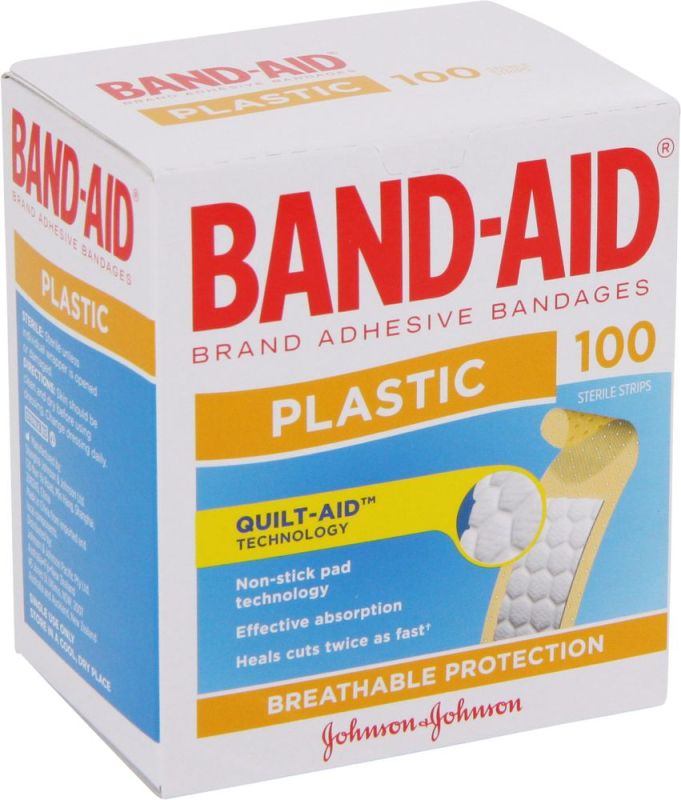
Band-Aid brand plastic strips, box of 100, sterile. All-purpose adhesive bandages with Quilt-Aid technology: a non-stick quilted pad that draws fluid away from the wound, micro-vents for breathability, and side seals around the pad.
What the pad design actually does
Two things separate a decent plastic strip from a cheap one, and both are in the pad rather than the plastic.
The non-stick quilted pad wicks fluid away instead of letting it dry into the dressing. That is why it lifts off without tearing the scab, which is the moment a healing graze gets reopened. The side seals close the gap around the pad, so dirt is less able to track in from the edges.
The micro-vents let moisture vapour out. Skin held under an airtight plastic strip goes soft, white and waterlogged, and macerated skin heals worse than dry skin.
Getting a plastic strip to stay on
Adhesive fails on damp or greasy skin, every time. Wash and dry the area thoroughly first. Apply without stretching the strip: pulled tight, it pulls back on the skin as the joint moves and lifts at the ends within the hour.
Change it when it is wet, dirty or loose rather than on a schedule. Keep a box with your first aid kit, and browse first aid supplies for dressings and tape.
A plastic strip is for minor wounds only. Get medical assessment for a cut that gapes or will not stop bleeding, a puncture wound, an animal or human bite, a burn beyond a small superficial one, or anything with dirt or glass in it. Check tetanus status after a dirty or puncture wound. Stop using and seek advice if the skin under the strip becomes itchy, red or blistered, which can indicate an adhesive reaction.
Where a plastic strip is the wrong choice
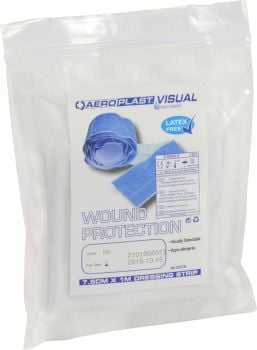
In food handling, a plain strip is not appropriate: catering and food production generally require blue, detectable dressings that can be seen if shed. Use the right dressing for that environment rather than the nearest box.
Specifications
| Brand | Band-Aid |
| Type | Adhesive plastic strips, all purpose |
| Pad | Quilt-Aid non-stick quilted pad |
| Breathability | Micro-vented |
| Edge | Side seals around the pad |
| Sterility | Sterile |
| Quantity | Box of 100 |
Plastic strip FAQs
How many strips are in the box?
100, sterile. That suits a workplace first aid room or a household that gets through them, rather than a small carry pack.
What does the quilted pad do?
It draws fluid away from the wound and does not stick to it, so the dressing lifts off without tearing the healing surface. That is the difference you notice when you take it off.
Why does mine keep falling off?
Almost always damp or greasy skin, or stretching the strip while applying it. Dry the skin properly and lay the strip on without tension, especially over a knuckle or joint.
How often should I change it?
When it is wet, dirty or lifting, rather than to a schedule. A wet dressing stops protecting the wound and softens the skin around it.
Can I use these in a kitchen or food business?
Generally no. Food handling usually requires blue detectable dressings that are visible if they come off into product. Check the rule that applies to your workplace and stock the right type.
My skin reacts under the strip. What now?
Stop using it and seek advice. Itching, redness or blistering under the adhesive can indicate a reaction, and there are low-adhesive and hypoallergenic alternatives.
For minor wounds. Seek medical attention for deep, gaping, dirty, bite or puncture wounds, for burns, and for any sign of infection. This information is a general guide and is not medical advice.
| Brand | Johnson & Johnson |
|---|
Frequently bought together