

Liberty Mini Fibre Optic Otoscope (Auroscope)
Miscellaneous
$129.32
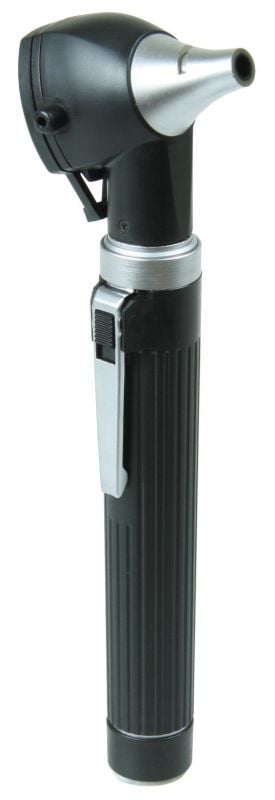
Professional fibre optic otoscope (auroscope) with bright 2.5V cool light and reusable ear specula — for clear ear-canal and eardrum examination in clinics, vet practices and at home.
Secure checkout
VISA
Mastercard
Apple Pay
Google Pay
Also accepted
AMEX
Afterpay
Zip
Klarna
PayPal
In stock
Only 998 left
SKU
400122
The Liberty Mini is a professional-grade fibre optic otoscope for examining the ear canal and eardrum. It delivers even, glare-free 2.5V illumination through optical fibres around the speculum, giving a clear magnified view without the shadow a lens-mounted lamp casts. In Australia and the UK the same instrument is usually called an auroscope or auriscope - it is the same device under a different name.
Why choose a fibre optic otoscope?
The fibre optic path is the reason to choose this over a cheaper lamp-in-the-head design. Carrying the light through fibres around the speculum rather than behind the lens means the illumination is even and cool, and nothing blocks the line of sight. In practice that is the difference between confidently seeing a tympanic membrane and guessing at a shadow.
It is built to be used rather than admired. The handle takes two standard AA batteries - no proprietary power pack to source - and the bayonet fitting attaches specula quickly and holds them securely. Reusable ear specula are included, and it accepts Heine disposable tips, which is what makes it viable in a clinical setting where single-use infection control is required.
The mini form factor means it fits a doctor's bag, a practice treatment room, a paramedic kit or a home medicine cabinet. It is used across general practice, nursing, aged care, audiology and veterinary work, and by parents monitoring a child with recurrent middle ear infections between GP appointments.
Key features
- Fibre optic illumination - even, cool, glare-free light with no lens shadow
- Bright 2.5V clinical-grade light source
- Bayonet speculum fitting - fast, secure attachment
- Reusable ear specula included
- Accepts Heine disposable tips for single-use infection control
- Runs on 2 x AA batteries in the handle - no proprietary power pack
- Compact mini body suits a doctor bag, treatment room or home kit
Specifications
| Model | Liberty Mini Fibre Optic Otoscope (Auroscope) |
| Illumination | 2.5V fibre optic |
| Power | 2 x AA batteries, in handle |
| Speculum fitting | Bayonet |
| Specula supplied | Reusable ear specula included |
| Disposable tips | Compatible with Heine disposable tips |
| Body | Durable mini handle with plastic viewing tube |
| Also known as | Auroscope, auriscope |
| Typical users | GP, nursing, aged care, paramedic, audiology, veterinary |
Common uses
An otoscope earns its place anywhere ears get examined regularly: general practice and nursing, aged care where wax and hearing complaints are constant, paramedic and remote-area kits, audiology, and veterinary clinics. Informed home users buy them too, most often parents of children with repeated middle ear infections who want to see what is happening between appointments. For a combined kit, the Liberty Pocket Otoscope and Ophthalmoscope Set adds eye examination, and the Heine Mini 3000 is the non-fibre-optic alternative in a hard case. Stock up on Heine 4mm disposable tips at the same time, and browse the full diagnostic instrument sets range.
otoscope FAQs
What is the difference between an otoscope and an auroscope?
They are the same instrument. Auroscope, and sometimes auriscope, is the traditional British and Australian term; otoscope is the American term now used worldwide. Both describe a handheld device with a light source and magnifying lens for examining the ear canal and eardrum. This model is sold under both names, which is why it appears in searches either way.
What does fibre optic actually mean here?
The light travels through optical fibres arranged around the speculum instead of coming from a lamp behind the viewing lens. That gives even illumination right to the end of the canal, keeps the light cool, and means the lens does not cast a shadow across what you are trying to see.
How do you use one safely?
Pick the largest speculum that fits the canal comfortably. For an adult, gently pull the ear up and back to straighten the canal; for a child, down and back. Insert only into the outer canal and never force it inward. Brace your hand against the head so any sudden movement carries the instrument with the patient. Clean or replace the speculum between people.
What batteries does it take?
Two standard AA batteries, held in the handle. That is a deliberate advantage over instruments needing a proprietary rechargeable pack - you can replace them anywhere, which matters in a remote kit or a home cabinet that gets used twice a year.
Can I use disposable tips with it?
Yes. The bayonet fitting accepts Heine disposable tips as well as the reusable specula supplied. In any clinical setting where the instrument moves between patients, disposable tips are the practical answer to cross-infection, and we stock them in 2.5mm and 4mm.
Can I diagnose an ear infection myself with it?
It helps you look, but it does not replace a clinician. Interpreting a red or bulging eardrum takes training, and plenty of normal ears look alarming to an untrained eye. If you see redness, discharge, severe pain or hearing loss, that is a reason to see a doctor rather than to self-manage.
This information is a general guide. The instrument aids examination but does not replace professional diagnosis - if you observe redness, discharge, severe pain or hearing loss, seek medical advice. Never force a speculum into the ear canal, and clean or replace specula between patients to prevent cross-infection.
| Brand | Liberty |
|---|
Frequently bought together