

Reviewed by the Medibc First Aid Team — last updated May 2026.
Australian emergency departments treat around 50,000 burn cases each year, and the Australian Institute of Health and Welfare identifies the kitchen as the single most common location for serious burns - followed by workplaces in hospitality, manufacturing and construction. The most important fact about burn first aid is also the most-forgotten one: cool running water for 20 minutes dramatically reduces burn severity and scarring, even when started up to 3 hours after the injury. This guide covers correct burn treatment for the home, workplace and outdoor settings.
The single most important step: 20 minutes of cool running water
Why 20 minutes matters
Heat continues to damage tissue for many minutes after the initial contact - even after the heat source is removed. Cooling with running water:
- Reduces tissue temperature and stops ongoing thermal damage.
- Reduces inflammation and oedema (swelling).
- Decreases burn depth, scarring and the need for skin grafting.
- Provides pain relief.
The Australian and New Zealand Burn Association evidence-based guideline says 20 minutes is the dose. Less than 10 minutes shows no benefit; more than 20 doesn't add much.
What "cool" means
Use cool tap water - around 15-25C. Ice-cold water or ice cubes are too cold and cause additional cold-injury to damaged tissue. If running tap water isn't available, immerse in a bucket of cool water, or use cool wet cloths refreshed every 2-3 minutes.
What if the patient is cold?
Cooling a large burn can drop core body temperature, especially in children and the elderly. Cool the burned area while keeping the rest of the body warm with a thermal blanket. Stop cooling early if the casualty starts shivering.
Burn classification: how deep is the burn?
Superficial (first-degree)
Redness, mild swelling, pain - no blistering. Example: minor sunburn. Heals in 3-6 days with no scarring.
Superficial partial-thickness (second-degree, superficial)
Red, painful, blistering, weeping. Skin moist and pink under the blister. Heals in 7-14 days, usually without scarring.
Deep partial-thickness (second-degree, deep)
Pale-pink or red, may or may not blister, may be less painful (nerve endings damaged), waxy appearance. Heals in 3-6 weeks; scarring likely. Often needs hospital assessment.
Full-thickness (third-degree)
White, leathery, charred or black. Usually painless (nerves destroyed). Always requires hospital admission and often skin grafting.
When to call 000 for a burn
Call an ambulance immediately for any burn that is:
- Larger than the casualty's palm.
- On the face, hands, feet, genitals or over a joint.
- Deep (white, leathery, charred) or with full-thickness appearance.
- Electrical - even small electrical burns can mask serious internal damage.
- Chemical - especially alkaline burns, eye burns or extensive chemical exposure.
- Caused by inhalation of smoke, steam or hot gases (singed nasal hairs, hoarseness, soot in mouth).
- In an infant under 12 months, anyone over 60, or someone with diabetes, heart or respiratory disease.
- Suspected non-accidental injury.
While waiting, continue cool running water, follow DRSABCD, cover with cling film (not too tight), and keep the casualty warm.
Step-by-step first aid for a thermal burn
Immediate (first 60 seconds)
- Stop the burning process - remove the heat source, smother flames with a non-flammable blanket, get away from the source.
- Remove constricting items - watches, rings, tight clothing - before swelling sets in. Do not remove anything stuck to the burn.
- Start cool running water for the full 20 minutes.
While cooling
- Reassure the casualty.
- Call 000 if any red-flag criteria above are met.
- If the burn is small and water cooling is uninterrupted, do not interrupt to apply gel until 20 minutes is complete.
- Keep the rest of the body warm.
After the 20-minute water phase
- Pat the area dry with clean, lint-free cloth.
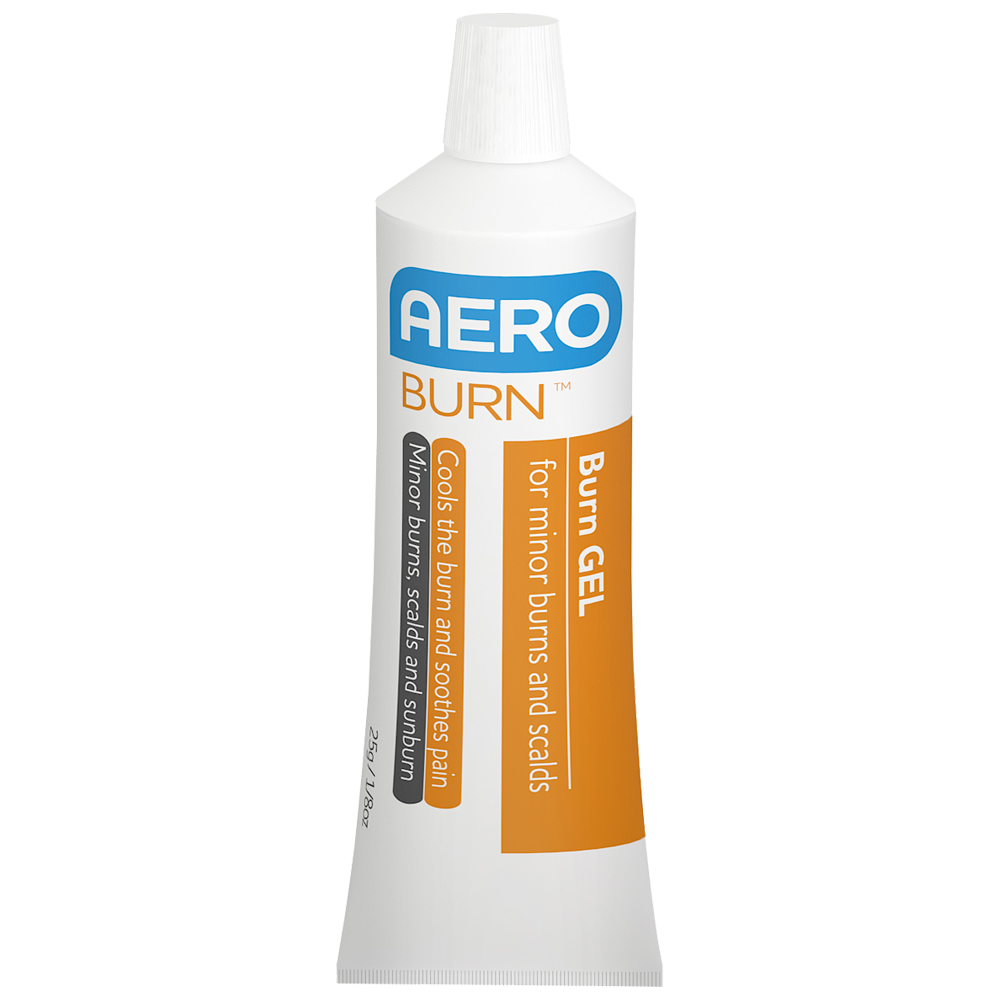
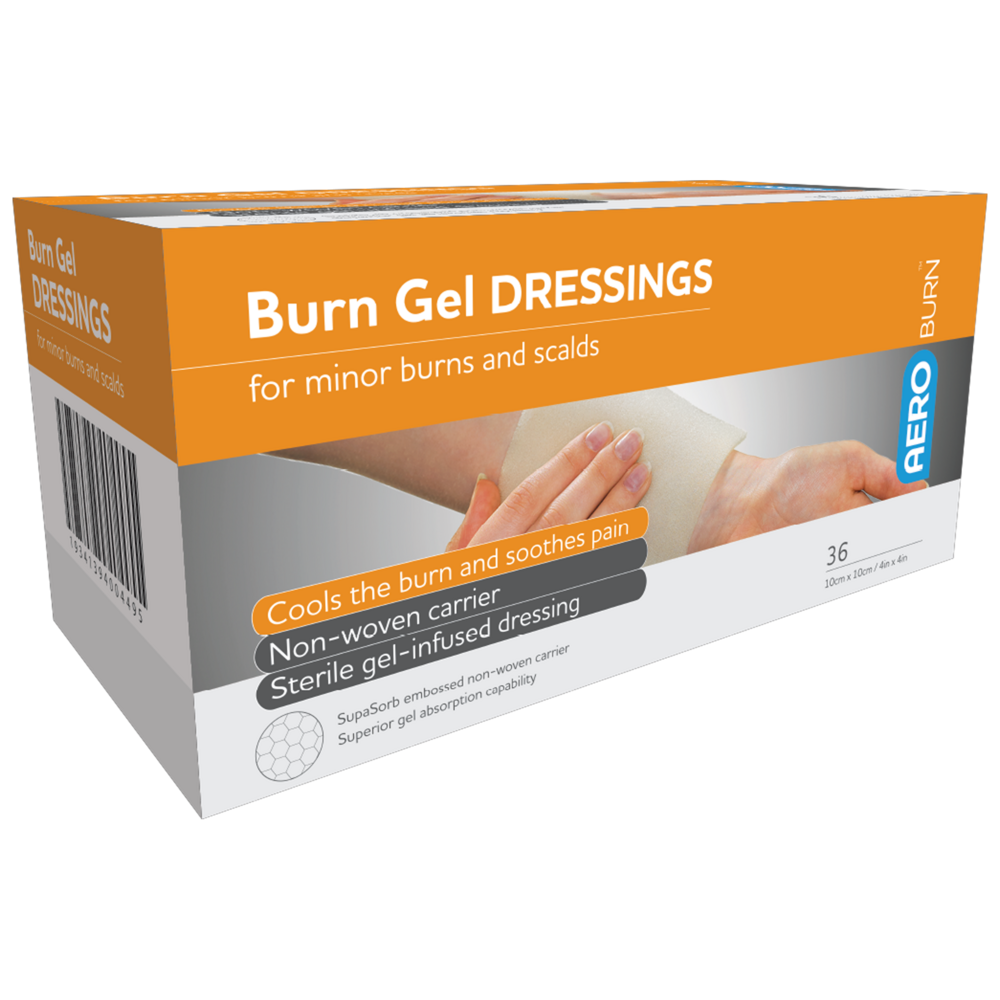
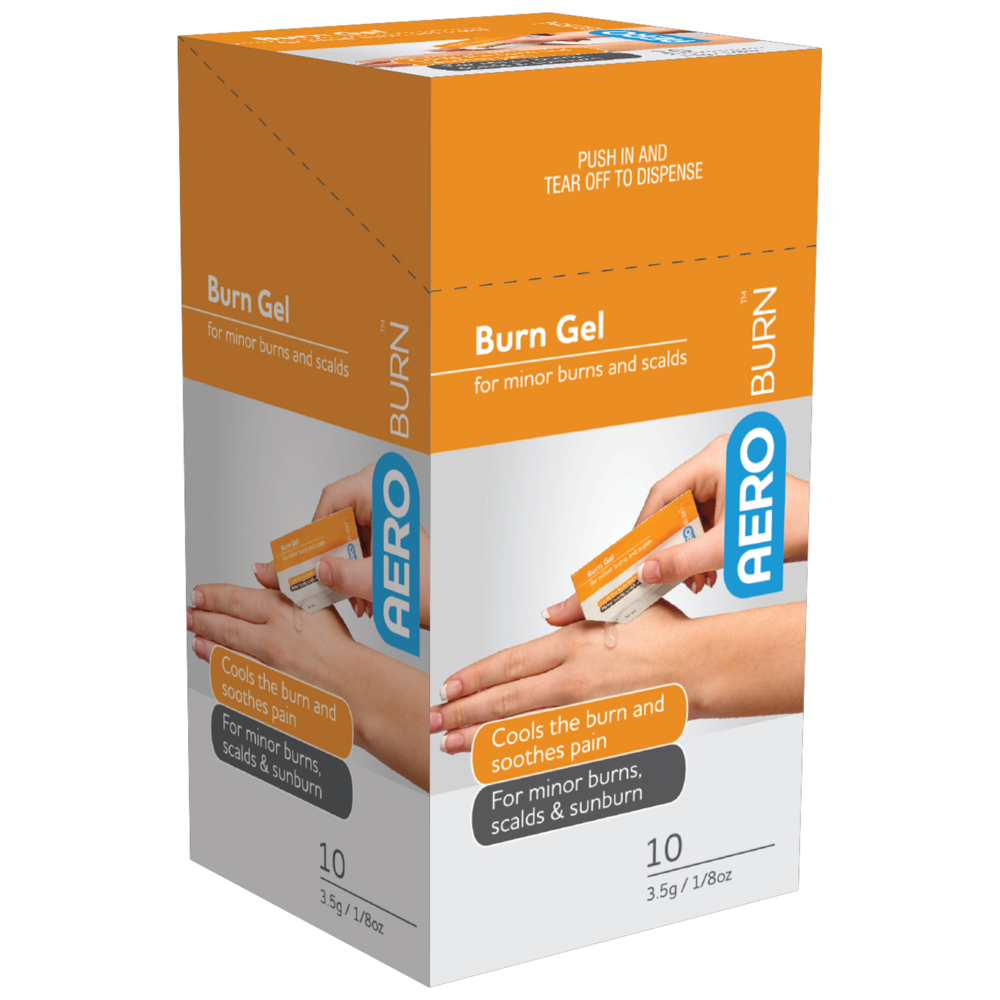
- Apply a hydrogel burn dressing (sterile) or burn gel from a sachet for continued cooling.
- Cover with cling film or a non-adherent dressing.
- Elevate the limb above heart level to reduce swelling.
- Take simple pain relief (paracetamol).
- Seek medical assessment for anything more than a superficial palm-sized burn.
What NOT to do
Don't use ice or icy water
Ice cold causes vasoconstriction and additional cold injury, deepening the burn. Always cool (15-25C tap water), not cold.
Don't apply home remedies
Butter, oil, toothpaste, egg white, flour, vinegar - all cause infection risk, delay healing and make hospital assessment difficult.
Don't break blisters
Intact blisters are sterile and protect healing skin. Leave them alone.
Don't remove stuck clothing
If clothing is fused to the skin, leave it in place. Cut around it. Removing it tears fragile burned tissue.
Don't peek
Once a hydrogel dressing is applied, leave it on for the recommended time (usually until medical review). Repeated peeking exposes the burn and increases infection risk.
Special situations
Kitchen and scalding burns
Hot oil and boiling water are the leading kitchen burns. Move children away from cooking, turn pot handles inward, and keep a burns kit within easy reach of the stove. Hot oil splashes typically cause superficial partial-thickness burns - 20 minutes cool water + hydrogel dressing + GP review.
Workplace and industrial burns
WHS-compliant workplaces (especially hospitality, manufacturing, welding, electrical) should keep multiple burn gel sachets, large hydrogel dressings, and pre-cut face/hand burn pads. Single-use sachets are ideal because they cannot be tampered with or contaminated.
Electrical burns
Electrical burns can look small at the entry point but cause massive internal damage along the current path. Always call 000 for electrical injuries, even if the visible burn is tiny. See our electric shock first aid guide.
Chemical burns
Flood the area with cool running water for at least 20 minutes - longer for alkaline burns (drain cleaners, cement). Do NOT try to neutralise with acid/alkali - water dilution is the correct response. Brush off solid chemicals (cement, lime, dry powder) before flushing.
Sunburn
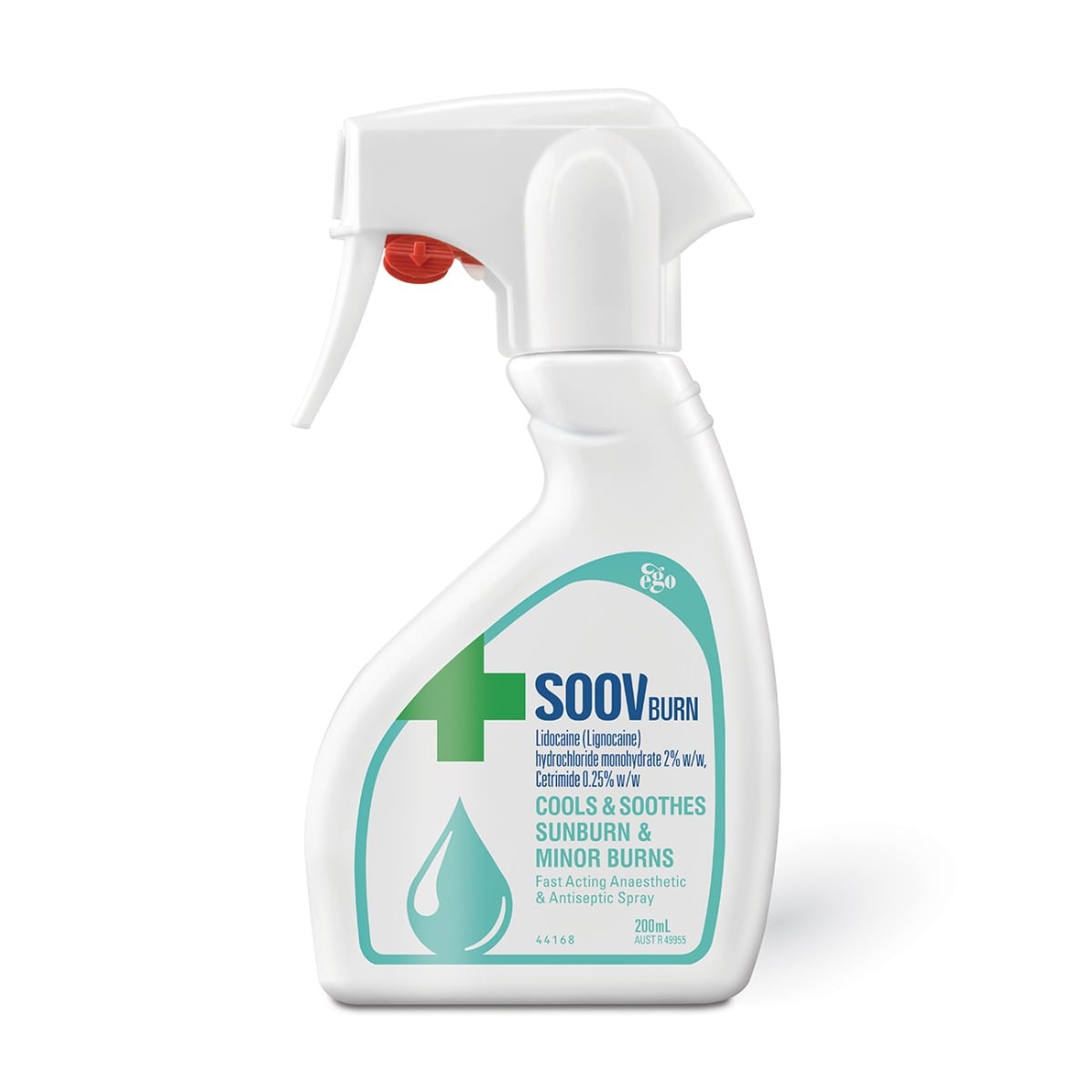
Severe sunburn is a real burn injury. Cool with running water or cool compresses, hydrate orally, apply SOOV Burn Spray or aloe gel, and take paracetamol. Get medical help for blistering sunburn across large body areas, fever or signs of heat illness. For step-by-step aftercare, see our guide on how to treat sunburn.
Burns in children
Children's thinner skin means burns are usually deeper than they appear. Always assess by ANZBA criteria, not adult standards. Any burn larger than the child's palm warrants hospital review.
Building a burn first aid kit
Home kitchen kit
- 2-3 burn gel sachets (3.5g)
- 1 burn gel tube (25g) for repeat application
- 1-2 hydrogel burn dressings (10x10cm)
- SOOV Burn Spray for sunburn / minor scalds
- Non-adherent dressings + bandages
- Sterile saline solution
Workplace kit (above the WHS minimum)
- 10 burn gel sachets (single-use, tamper-evident)
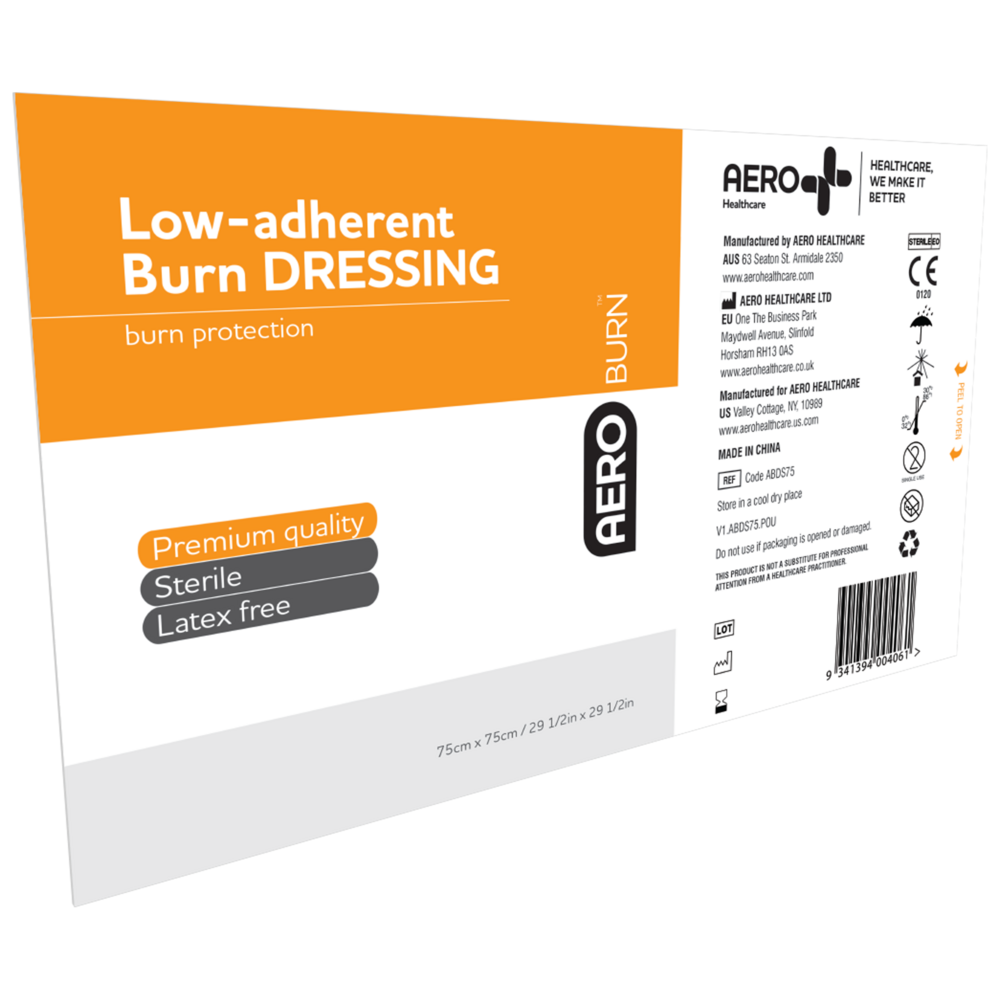
- Large hydrogel dressings (20x20cm, 75x75cm)
- Face mask hydrogel pad with eye/nose/mouth cut-outs
- Hand and limb pre-cut burn dressings
- Burns first aid laminated poster on the wall
- Thermal blanket for shock prevention
Outdoor / camping / 4WD kit
- 2-3 burn gel sachets (lightweight)
- 1 hydrogel burn dressing
- Cling film roll (covers larger burns; transparent for inspection)
- Bottled water for cooling if no tap
- Thermal blanket
Long-term burn care
Wound care during healing
Keep the dressing intact. Replace as directed by your GP or burn unit. Most superficial-partial burns heal in 2 weeks with good wound care.
Reducing scarring
- Keep healed skin out of direct sunlight for 12 months.
- Apply SPF 50+ once skin closure is complete.
- Massage healed scars with non-fragranced moisturiser daily.
- Pressure garments may be prescribed for larger burns.
- Silicone scar gel reduces hypertrophic scarring.
Mental health and burn recovery
Significant burns - especially those with visible scarring - frequently trigger post-traumatic stress, anxiety and depression. The ANZBA Burn Survivors Network offers psychological support and survivor connection.
Frequently asked questions
How long should you cool a burn under running water?
Australian and New Zealand Burn Association (ANZBA) guidelines say cool running water for 20 minutes is the gold-standard first aid for all thermal burns, even up to 3 hours after the injury. Use cool (not cold) tap water. This single intervention reduces burn severity, lessens scarring and shortens hospital stays - and is the most under-applied step in burns first aid.
Should you put ice on a burn?
No. Ice and very cold water can cause cold injury to already-damaged skin, deepening the burn and slowing healing. Use cool (not cold) running tap water for 20 minutes. After the water phase, a hydrogel burn dressing or burn gel sachet provides continued cooling without the risks of ice.
What kind of burn needs an ambulance?
Call 000 for any burn that is: larger than the casualty's palm; on the face, hands, feet, genitals or over a joint; deep (white, leathery or charred); caused by electricity or chemicals; in an infant, elderly or unwell person; or causing breathing difficulty (smoke or steam inhalation). Smaller superficial burns can usually be managed at home after correct first aid.
Should you pop blisters from a burn?
No. Burn blisters are sterile and protect the underlying skin from infection while it heals. Leave intact blisters alone, cover with a non-adherent hydrogel dressing, and let them resolve naturally. If a blister breaks on its own, gently trim away loose skin with sterile scissors and dress as a wound.
What should I NOT put on a burn?
Do not apply ice, butter, toothpaste, vinegar, egg white, flour, oil or any home remedy to a burn. These can cause cold injury, introduce infection, or make assessment by medical staff harder. The only correct treatment is 20 minutes of cool running water followed by a clean non-adherent dressing (hydrogel preferred).
Sources: Australian and New Zealand Burn Association — First aid, AIHW — Hospitalised burn injuries, healthdirect.gov.au — Burns, St John Ambulance — Burns first aid.