

Did you know that there are a lot of first aid myths out there that could do more harm than good?
In this post, we’re going to bust some common first aid myths and explain what you should be doing in an emergency.
Read on to learn how to separate first aid myths and facts!
Myth #1: Put butter on a burn
The idea of slathering butter on a burn has been around for a while. It’s believed to have gained popularity in the 19th century when a Prussian surgeon, Friedrich Von Esmarch, published a guide to battlefield medicine. He advised that butter, oil or grease should be applied to burns to seal them, keep them clean and aid healing.
But sealing off a burn can hold the heat in, making the burn even more painful and causing more damage. This is what you should do instead:
- Remove any clothes or jewellery from the affected area.
- Do not attempt to remove anything stuck to the burn.
- Place the burn under running cold water for at least 20 minutes.
- Do not use ice on the burn.
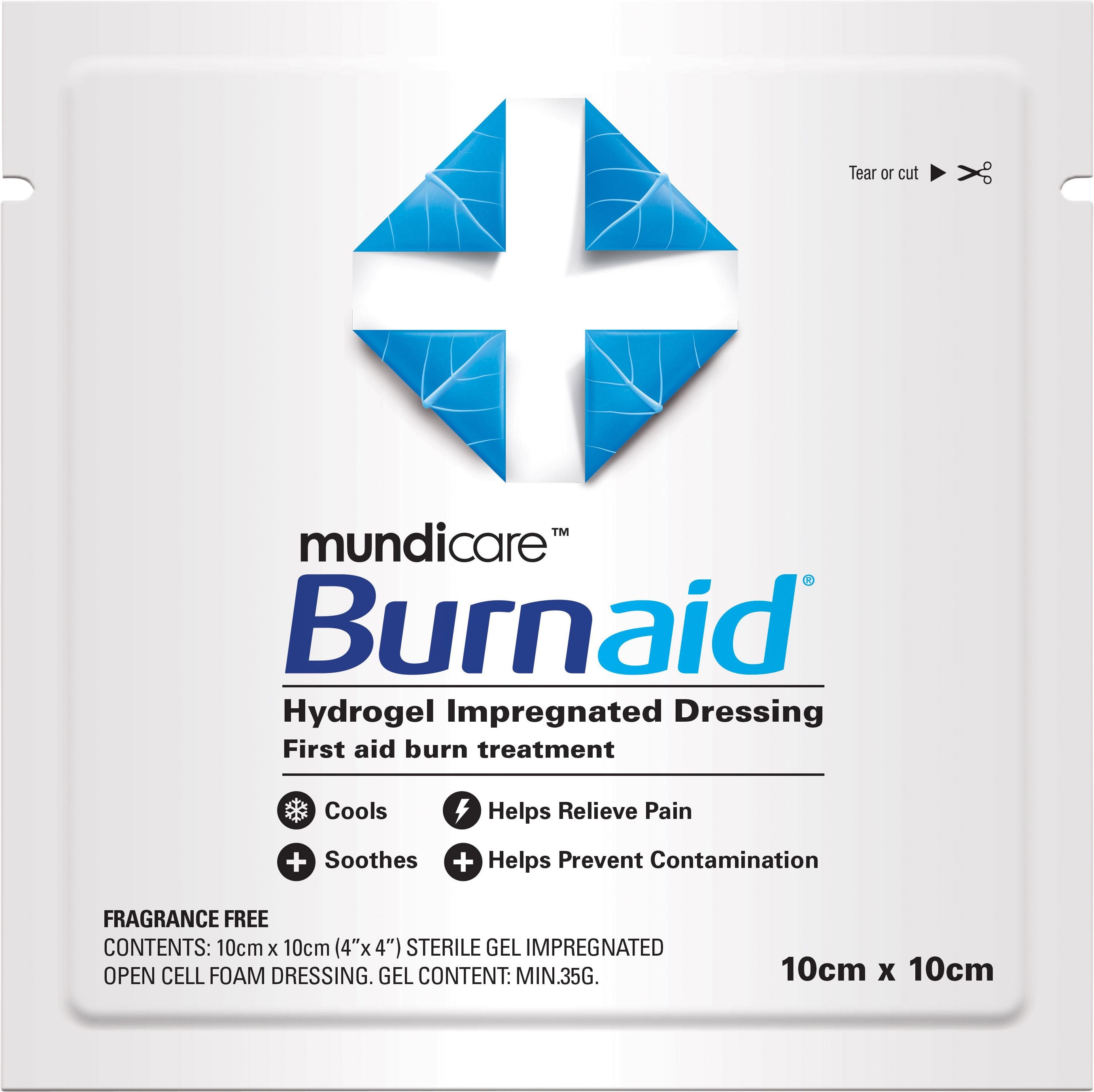
- Cover the burn with a non-stick dressing designed for burns.
- Do not pop any blisters that form. Our guide on how to treat blisters explains why, and when draining is OK.
Seek urgent medical attention if:
- The burn is large or deep.
- It is around the airway or on the face, hands or genitals.
- The skin looks leathery.
- There are patches of white, black or brown.
- The burn was caused by electricity or chemicals.
- The patient has difficulty breathing.
Myth #2: Suck the venom out of a snake or spider bite
You may have seen survival movies where the hero sucks the venom out of a snake bite, spits it onto the dust and saves the day.
But this method of treating bites is based on fiction rather than fact. Attempting to suck the venom out of a wound could result in contaminating it or damaging the blood vessels or nerves.
What’s more, some snake bites are “dry,” which means that no venom is released at the time of biting.
Here’s what to do if you are with someone who has been bitten by a snake:
- Get the patient away from the snake.
- Call triple zero (000) and ask for an ambulance.
- Put a pressure or snake bite bandage around the area of the wound.
- Don’t be tempted to wash the area, as the venom can help identify the snake and aid appropriate treatment.
Some people may have a severe allergic reaction to snake bites and go into anaphylactic shock. Symptoms include difficulty breathing, swelling around the throat, cough, abdominal pain or vomiting. Call triple zero (000) for an ambulance if you notice any of these symptoms.
If they have a known allergy, they may be carrying an auto-injector like an Epipen, which you should apply if required.
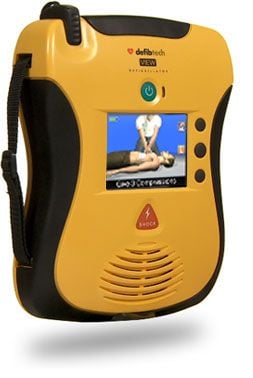
When you call emergency services, they may advise you to perform CPR (cardiopulmonary resuscitation) and/or use a defibrillator. Try to stay calm and follow the instructions carefully.
For spider bites, the advice is similar: apply a pressure bandage, get the patient to stay still and calm and look out for signs of anaphylactic shock.
Most spiders in Australia aren’t harmful. But if the patient has been bitten by a redback spider or big black spider, which could be a funnel-web spider, you need to seek medical help immediately. Check out this guide to learn more about identifying Australian spiders.
Myth #3: If someone’s having a nosebleed, tilt their head back
If you tilt the patient’s head back when they are experiencing a nosebleed, the blood still has to go somewhere.
It will end up in their airways or digestive tract (or both) and could cause choking or vomiting.
The safest and most effective way of stemming a nosebleed is to get the patient to pinch the soft portion of their nose and lean forward for 10 minutes. They should breathe through their mouth and spit out any blood.
If the bleeding doesn’t stop after 15 minutes, you should seek medical attention.
You should also get help if the patient:
- Has difficulty breathing
- Has facial injuries
- Is experiencing very heavy bleeding
- Is younger than two years old
- Is taking blood thinning medication
- Is vomiting blood
Browse our quality first aid kits
Dispelling the myths around first aid is all part of providing care safely.
You can also do this by learning new skills or brushing up on existing ones by taking a course with a trusted provider, such as St John Ambulance.
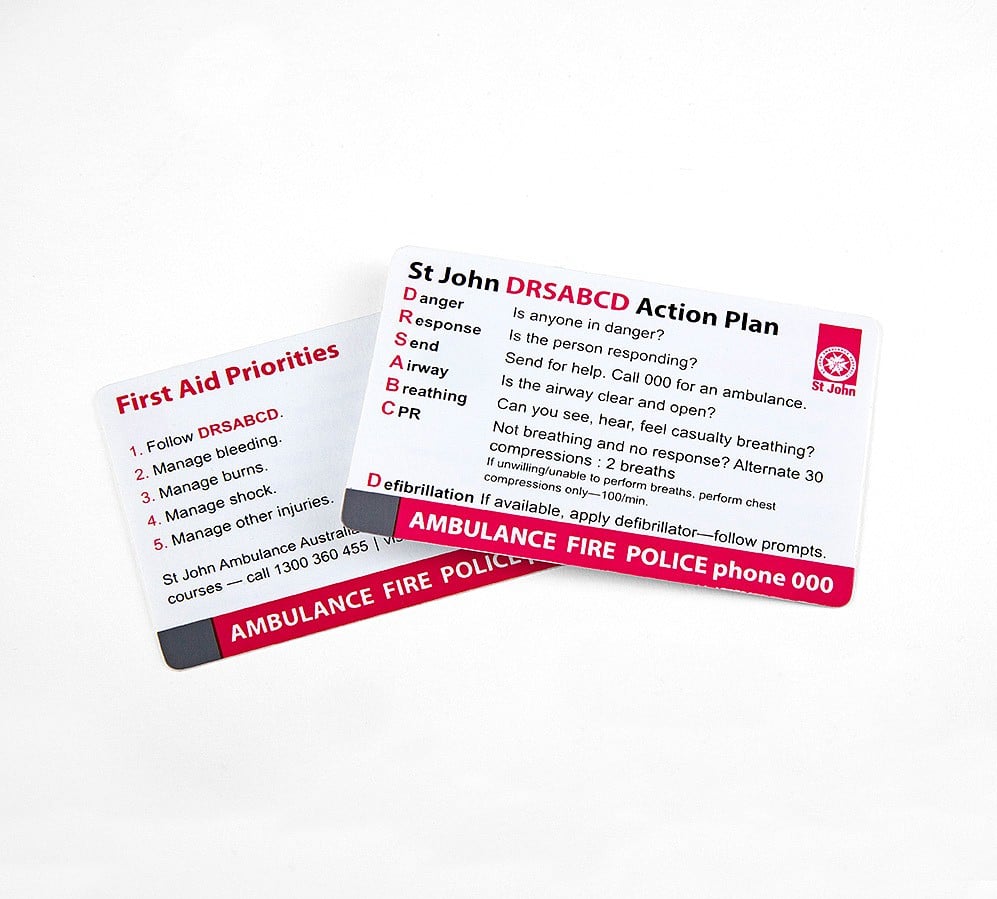
They will take you through some essential first aid routines, such as DRSABCD, as well as the skills to give you the confidence to handle emergency situations.
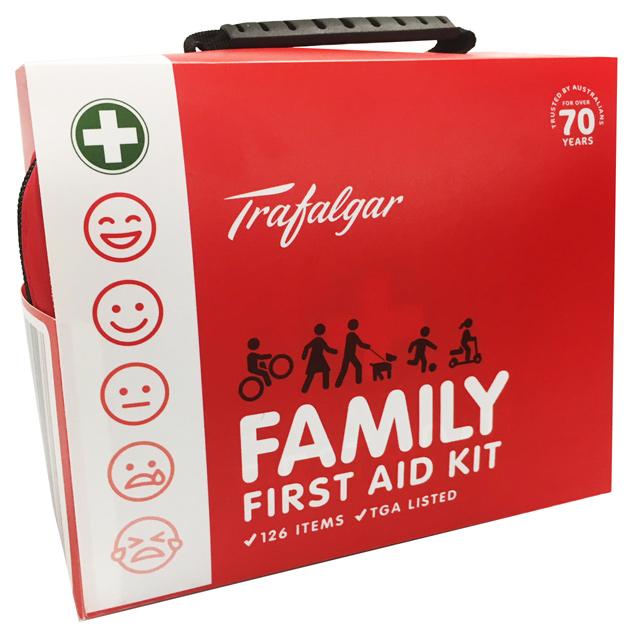
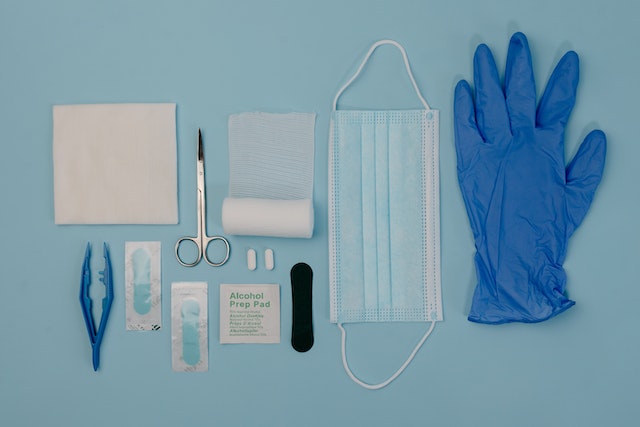
You should also ensure that your home, vehicle or workplace has a fully stocked-up first aid kit. Browse our selection of quality first aid kits to find one that suits you — and check out our refills too!
With our friendly customer service and swift delivery throughout Australia, you can rely on us to provide for all your first aid needs!
First Aid Essentials That Bust the Myths
The AEDs, snake bite kits, and burn dressings every Australian household should actually own.