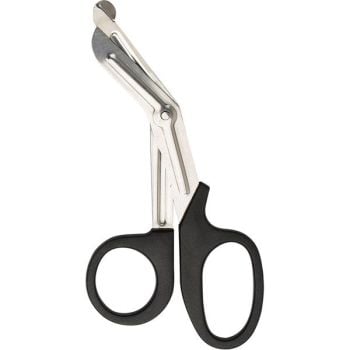


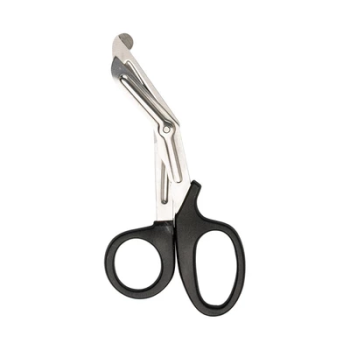
Bandage Shears (small)
$2.60
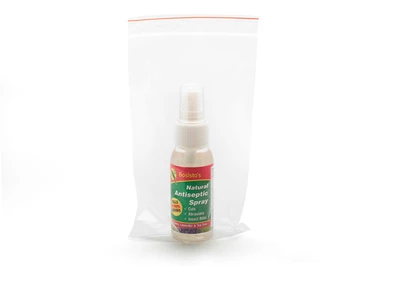
Antiseptic liquid spray, 50ml. For cleaning minor cuts, grazes and wounds before a dressing goes on. The spray format means no-touch application, which matters more than it sounds.
Pouring antiseptic onto a wound means touching it with a bottle neck, a cotton ball or a finger. A spray reaches the wound without contact, covers an irregular graze evenly, and gets into a site you cannot easily reach on yourself, like a shin or the back of an arm.
It also avoids the contamination problem of dipping something into a shared bottle, which is the practical reason clinical settings moved away from open containers.
Antiseptic is not a substitute for cleaning. Irrigate the wound first to lift out loose dirt, grit and debris, then apply antiseptic to the cleaned surface. Spraying antiseptic over embedded grit seals contamination into the wound rather than removing it.
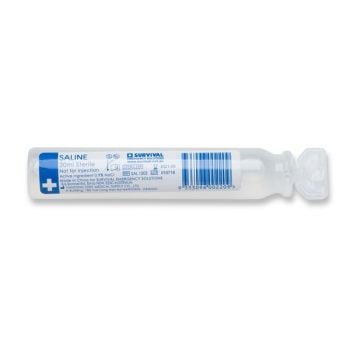
Use it alongside sterile saline for irrigation, and browse first aid supplies for dressings.
Seek medical assessment for a cut that gapes or will not stop bleeding, a puncture wound, an animal or human bite, anything with material embedded in it, a burn beyond a small superficial one, or a wound in someone with diabetes, poor circulation or a weakened immune system.
It suits a personal kit, a glovebox, a desk drawer or a bag. For a workplace first aid room treating multiple people, a larger bottle or several units makes more sense, since 50ml does not go far across a season of minor injuries.
| Type | Antiseptic liquid spray |
| Size | 50ml |
| Application | Spray, no-touch |
| Use | Cleaning minor cuts, grazes and wounds before dressing |
| Suits | Home, workplace and carry kits |
Cleaning minor cuts, grazes and wounds before applying a dressing. The spray applies without touching the wound, which suits irregular grazes and places you cannot easily reach yourself.
Yes, always. Irrigate to lift out loose dirt and grit first, then apply antiseptic to the cleaned surface. Antiseptic over embedded debris seals contamination in rather than removing it.
Some antiseptics sting on broken skin more than others. Follow the label, and if a product consistently causes significant pain on grazes, particularly for children, ask a pharmacist about a gentler option.
No. Deep cuts, punctures, bites and anything with material embedded need medical assessment. Antiseptic is for minor, superficial wounds you can clean properly.
Increasing pain rather than improving, redness spreading outward, swelling, heat, discharge, odour or fever. Any of those warrant review. Infection usually declares itself over days, not hours.
It is a carry size for personal or small kits. A first aid room treating multiple people through a year will want a larger bottle or several units.
Always read the label and use only as directed. For minor wounds. Seek medical attention for deep, dirty, bite or puncture wounds, and for any sign of infection. This information is a general guide and is not medical advice.