

Plastic bags (3 sizes)
$0.32
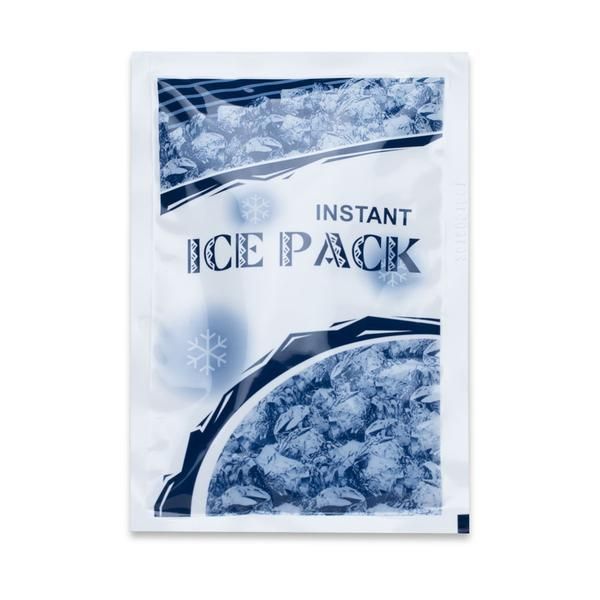
An instant ice pack that works without a freezer. Squeeze or strike it and a chemical reaction cools the pack in seconds, giving immediate cold therapy for a knock, sprain or swelling anywhere a freezer is not an option. Single use.
In a first aid kit, on a sideline, in a vehicle, at a remote site, on a school camp. The value is not that it is colder than ice, because it is not. The value is that it is available in the first few minutes, which is when cold actually does something for a fresh soft tissue injury. A gel pack in a freezer three buildings away is not available.
Because it is single use, it also means the kit is always ready. There is nothing to refreeze and nothing to forget to put back.
Activate the pack as directed, then wrap it in a thin cloth before it touches skin. Do not apply it directly. Cold burns from ice packs are common and entirely avoidable, and a chemical pack held against bare skin is as capable of causing one as ice.
The usual guidance for a fresh soft tissue injury is around 15 to 20 minutes at a time, repeated with breaks over the first day or two, rather than one long application. Take it off sooner if the skin becomes numb, white or mottled.
Cold reduces pain and can limit swelling in the early stage of a soft tissue injury. It is not a treatment for a fracture, a dislocation or a wound, and it is not a reason to delay assessment. If there is deformity, an inability to bear weight or use the limb, numbness, or pain out of proportion to the injury, get it looked at.
| Type | Instant chemical cold pack |
| Activation | Squeeze or strike, no freezing required |
| Use | Single use, disposable |
| Storage | Ambient, ready in the kit |
| Application | Wrap in a cloth, do not apply directly to skin |
Prefer a branded pack? See the St John instant cold pack, or browse first aid supplies to restock a kit.
No. It is activated by squeezing or striking it, which starts a chemical reaction that cools the pack within seconds. That is the entire point of it, and why it suits a kit, a vehicle or a sideline.
Around 15 to 20 minutes at a time for a fresh soft tissue injury, with breaks in between, rather than one long application. Remove it sooner if the skin goes numb, white or blotchy.
No. Wrap it in a thin cloth or towel first. Direct contact can cause a cold burn, which is a genuine injury and is easily avoided. This applies to ice and gel packs equally.
No, it is single use and disposable. Once the reaction has run, the pack is spent. Replace it in the kit after use so the kit is ready next time, and check expiry dates when you audit the kit.
Not as cold as ice, and it does not stay cold as long. The trade is availability against duration. In the first minutes after an injury, an instant pack you have beats a gel pack you do not.
Discard it and rinse any contents off skin with plenty of water. If it gets into the eyes, irrigate with water and seek medical advice. Do not use a pack that is already leaking or damaged before activation.
Cold therapy supports first aid, it does not replace assessment. Seek medical attention for suspected fractures, dislocations, wounds, numbness or pain out of proportion to the injury. This information is a general guide and is not medical advice.