

Reviewed by the Medibc First Aid Team — last updated May 2026.
Australia's cold and flu season has arrived, and 2026 is shaping up to be a heavy one. With influenza activity already rising in early winter and respiratory viruses passing easily between schools, workplaces, and households, the right first aid response at home can shorten illness, ease symptoms, and prevent complications.
This family first aid guide for cold and flu season walks Australian households through the practical, no-panic essentials: what to watch for, how to care for someone unwell at home, when to seek medical help, and the home care kit you should have ready before the worst of winter sets in.
Common cold and flu symptoms
Both are caused by viruses and share many symptoms, but the way they hit your household is very different. A common cold builds slowly over a day or two; influenza tends to floor someone within hours. Recognising the difference early shapes your first aid response.
Common cold signs
- Gradual onset — symptoms develop over 1-3 days.
- Runny or blocked nose, sneezing, sore throat — the headline symptoms.
- Mild cough, often dry early then loosening.
- Low or no fever — adults rarely run a high temperature with a cold.
- Recovery in 7-10 days without medical treatment.
Influenza (flu) signs
- Sudden onset — well at breakfast, in bed by lunch.
- High fever — typically 38°C or higher, often with chills and sweating.
- Body aches and fatigue — muscles and joints feel heavy and sore.
- Dry, persistent cough, sometimes a sore chest.
- Headache and often loss of appetite.
- Recovery in 7-14 days; tiredness can linger for weeks.
What about COVID-19 and RSV?
Cold and flu symptoms overlap with COVID-19 and RSV — fever, cough, sore throat, fatigue. The simplest at-home test is a rapid antigen test; results in 15-20 minutes will tell you whether to isolate the patient from vulnerable family members. The Australian Government's healthdirect symptom checker is a reliable next step if you're unsure, and the Department of Health flu information tracks Australian flu activity by state.
Essential first aid supplies for cold and flu season
Most colds and uncomplicated flu cases recover at home with rest, fluids, and symptom management. A well-stocked family first aid kit, plus a few seasonal additions, keeps the household ready before the patient is too sick to drive to the pharmacy.
Track the fever with a thermometer
A reliable thermometer is the single most useful tool during flu season. A no-contact infrared thermometer is fast (one second) and works for sleeping children without waking them. Take readings morning and evening and write them down — a pattern of climbing fever or one that stays above 39°C in an adult is a flag to call a GP.
Normal body temperature sits around 36°C-37°C. Anything above 38°C is a fever; above 39.5°C is high and warrants attention, especially in young children, the elderly, or anyone with a chronic condition.
Stay hydrated with oral rehydration
Fever, sweating, and reduced appetite all drain fluids fast. Adults should aim for 2-3 litres of fluid a day during illness; children need to be sipping regularly. Plain water is fine, but oral rehydration solutions replace lost electrolytes more effectively, especially when there's vomiting or diarrhoea alongside the flu.
Hydralyte ice blocks are particularly useful for kids who refuse a drink — the ice-block format is easier to keep down than a glass of water, and the electrolyte mix prevents the dehydration that turns a mild flu into a hospital visit.
Pain relief, rest, and a sick bay
Pain relief (paracetamol or ibuprofen, taken as directed) helps with body aches and fever. Don't combine the two without pharmacy advice, and never give aspirin to children under 16. Set the patient up in a well-ventilated room with a glass of water, tissues, a bin lined with a bag, and hand sanitiser within reach.
A reusable hot and cold pack doubles for muscle aches and fever relief, and an instant cold pack handles the bruise or sprain that inevitably happens when a feverish child takes a tumble.
How to protect your family during flu season
One sick family member can take down the whole house in a week. A few simple habits keep the rest of the household well.
Hand hygiene is the headline
- Wash hands with soap and water for at least 20 seconds, especially after caring for the patient.
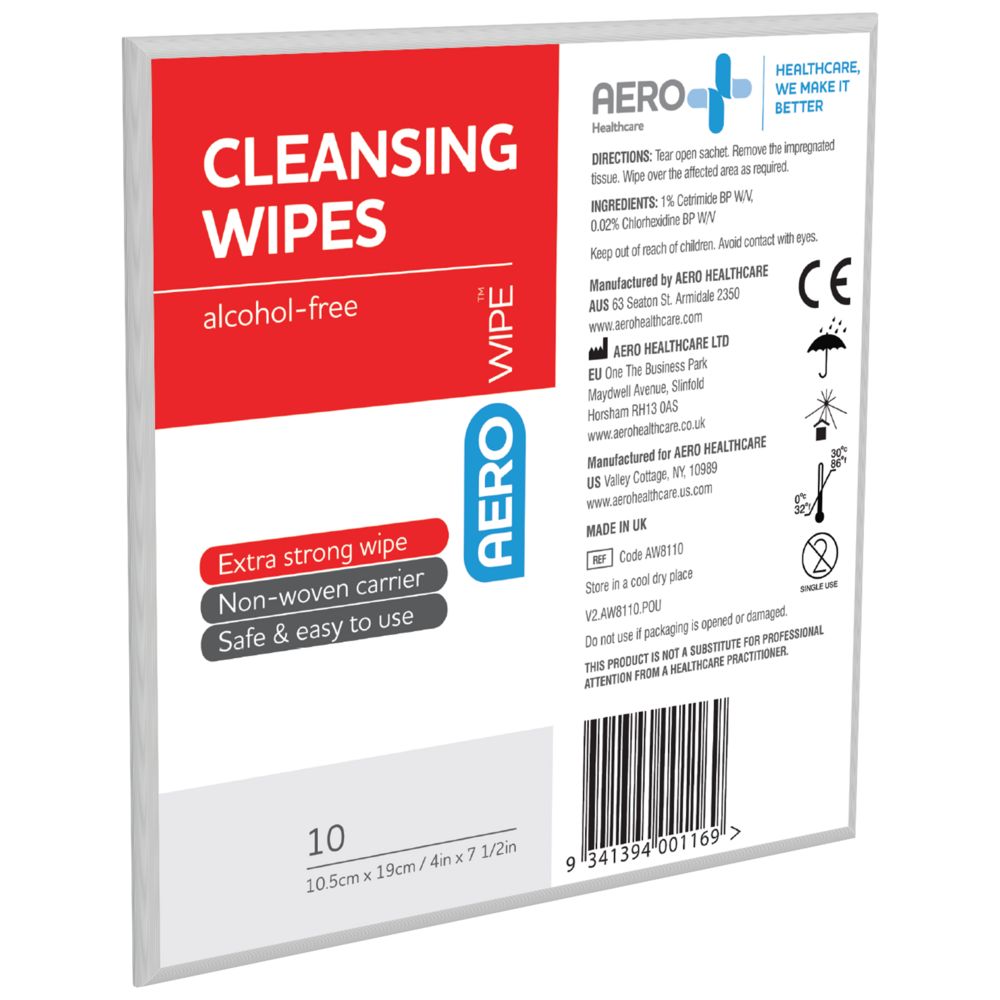
- Alcohol-free cleansing wipes are gentler on kids and the elderly than alcohol gels, and effective on most surfaces and skin.
- For high-touch areas, individually-wrapped anti-bacterial hand wipes live in the school bag, the car, and beside the kitchen sink.
- Bench-mount an AEROCLEANSE sanitiser station by the front door for visitors and kids returning from school.
Masks for vulnerable households
If anyone in the home is elderly, pregnant, immunocompromised, or has a chronic lung condition, masking up while caring for a flu patient cuts spread substantially. Surgical Level 2 masks like Medical 3-ply face masks are the workplace standard; black 3-ply masks are a low-key option for the school run or pharmacy trip.
Clean the touch points
- Door handles, light switches, taps, remotes, phones — wipe down daily while someone is sick.
- Bedding and towels of the unwell person should be washed separately on a warm cycle.
- Open windows for 10-15 minutes a day to refresh indoor air — virus particles linger in poorly ventilated rooms.
Isolate when needed
If COVID-19 or influenza is confirmed, the patient should sleep separately, eat at different times, and stay away from elderly relatives, pregnant household members, or anyone immunocompromised.
Looking after the vulnerable in your family
Cold and flu hit different groups differently. The same symptoms that mean a "bad week off school" for a healthy teen can be life-threatening for a grandparent.
Elderly relatives
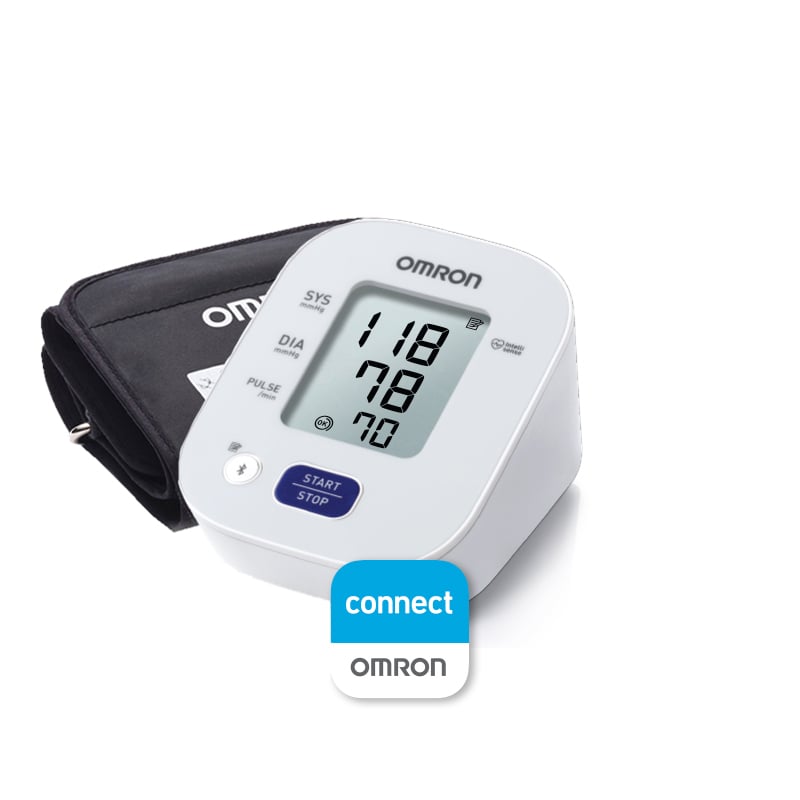
Older adults often run a lower fever even when seriously unwell. Watch instead for confusion, sudden weakness, chest tightness, or rapid breathing. Keep an Omron blood pressure monitor on hand if anyone in the household has cardiovascular conditions — a sudden drop in blood pressure during illness is a 000 trigger.
Babies and young children
- Watch breathing — fast, laboured, or wheezy breathing in a child needs urgent assessment.
- Watch hydration — fewer wet nappies, no tears when crying, dry mouth.
- Sustained fever above 38°C in babies under 3 months always warrants a GP call.
Chronic conditions
Anyone with asthma, diabetes, heart or lung disease, or a weakened immune system should have a plan agreed with their GP for what to do at the first sign of flu. The flu vaccine is recommended for these groups every year — see the National Immunisation Program for free vaccine eligibility.
When to seek medical help
Most cold and flu cases recover at home. Some don't. Call your GP or after-hours service if you notice:
- Fever lasting more than three days, or rising above 39.5°C in adults / 38.5°C in young children.
- Difficulty breathing or shortness of breath at rest.
- Chest pain or pressure.
- Persistent vomiting or signs of dehydration.
- Confusion, drowsiness, or difficulty waking the patient.
- Symptoms that improve then get worse again (secondary infections like bacterial pneumonia).
Dial triple zero (000) immediately for blue lips or fingertips, severe difficulty breathing, chest pain that doesn't ease, a seizure, or an unresponsive patient.
Build your cold and flu season home care kit
Most Australian households have a first aid kit somewhere, but it's often the snake-bite or burns version, not the flu-season one. A good winter wellness kit covers fever, hydration, hygiene, and symptom relief.
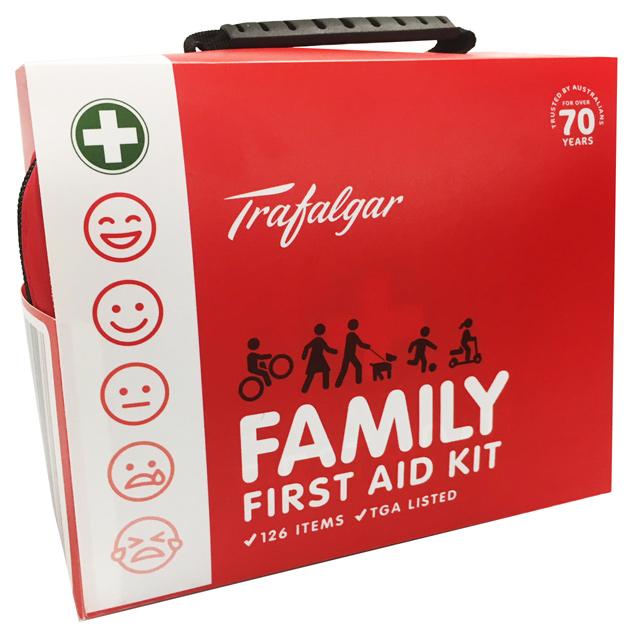
Pre-stocking before peak flu season (May-August) means you're not driving to the pharmacy at 2am with a feverish toddler. Build it around a comprehensive family first aid kit and add the seasonal extras: thermometer, oral rehydration, hand-cleansing wipes, paracetamol/ibuprofen suitable for each family member, and a first aid guide for quick reference.
For households with vulnerable members, add a blood pressure monitor and a pulse oximeter to track breathing and circulation if illness escalates. Browse the full family first aid kit range on Medibc to find one sized for your household.
Frequently asked questions
What should be in a cold and flu first aid kit?
A cold and flu first aid kit should contain a no-contact infrared thermometer, oral rehydration (Hydralyte ice blocks or sachets), age-appropriate paracetamol and ibuprofen, alcohol-free cleansing wipes, surgical masks, tissues, hand sanitiser, and a first aid guide. Households with vulnerable members should add a blood pressure monitor and pulse oximeter.
How long does flu season last in Australia?
Australian flu season typically runs from May to October, peaking July-August. Activity has been starting earlier in recent years — preparing your household in April or early May puts you ahead of the curve. Influenza vaccination is free for at-risk groups via the National Immunisation Program.
When should children see a doctor for flu symptoms?
Call a GP if a child has a fever above 38.5°C lasting more than three days, difficulty breathing or wheezing, signs of dehydration (fewer wet nappies, no tears, dry mouth), persistent vomiting, drowsiness, or confusion. Babies under 3 months with any fever above 38°C should be assessed the same day. Dial triple zero (000) for blue lips, severe breathing difficulty, or unresponsiveness.
Stay well this winter
Cold and flu season is unavoidable but manageable. A thermometer for tracking fevers, electrolyte ice blocks for hydration, cleansing wipes for hygiene, and a well-stocked family first aid kit on hand are the difference between a household that bounces back in a week and one that limps through winter.
Stock up before the worst of it arrives, keep the fragile family members closer to the medicine cabinet than the patient, and don't hesitate to call 000 if symptoms become severe.
Sources: healthdirect.gov.au, Australian Government Department of Health, World Health Organization (WHO) seasonal influenza fact sheet.
Cold & Flu Season First Aid Essentials
Thermometers, electrolytes, family kits, and hand-hygiene wipes to get your household through Australia’s flu season.