How to treat snake bites
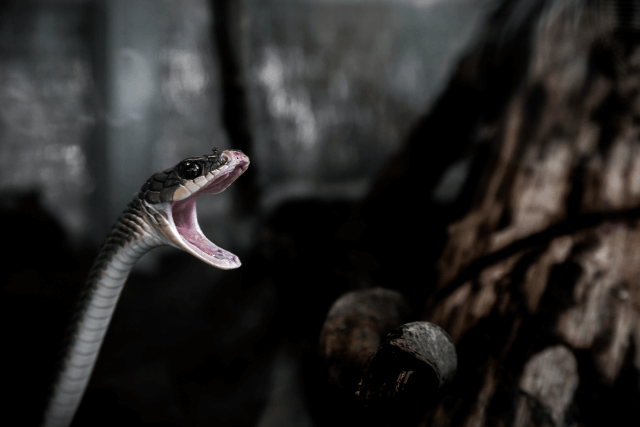
There are around 3,000 snake bites in Australia every year. Fortunately, most of these are not fatal thanks to good snake bite first aid techniques.
You can find out more about snake bite first aid in Australia in our article so you can be prepared to act while still enjoying your outdoor adventures.
Read on to find out how to treat bites and know additional practical information such as how to avoid getting bitten when you’re out and about.
What are the types of snake bites?
There are two types of snake bites: dry and venomous.
A dry snake bite is when no venom is released and is recorded in the majority of cases. However, this kind of bite can cause pain, swelling and redness around the affected area.
A venomous snake bite can cause serious symptoms and be life-threatening. Examples of venomous snakes found in Australia include:
- Eastern brown snake
- Western brown snake
- Mainland tiger snake
- Inland taipan
- Coastal taipan
You can learn more about venomous Australian snakes here.
Because it can be difficult to identify what type of snake a person has been bitten by, you should treat all snake bites as venomous.
Snake bite symptoms
Initial symptoms of a venomous snake bite include:
- Bite marks on the skin
- Swelling or bruising around or bleeding from the bite
- Severe pain around the site of the bite (this may take time to develop)
As the venom spreads through the body, the patient may experience:
- Difficulty breathing
- Headache
- Confusion
- Dizziness
- Blurred vision
- Nausea
- Vomiting
- Abdominal pain
- Irregular heartbeat
- Muscle weakness
- Paralysis
Snake bites first aid
This is what you should do if you are with someone who has been bitten by a snake:
1. Call triple zero (000) for help
2. Ensure that the patient stays completely still. This is to stop a fluid called lymph from helping the venom to spread through the body
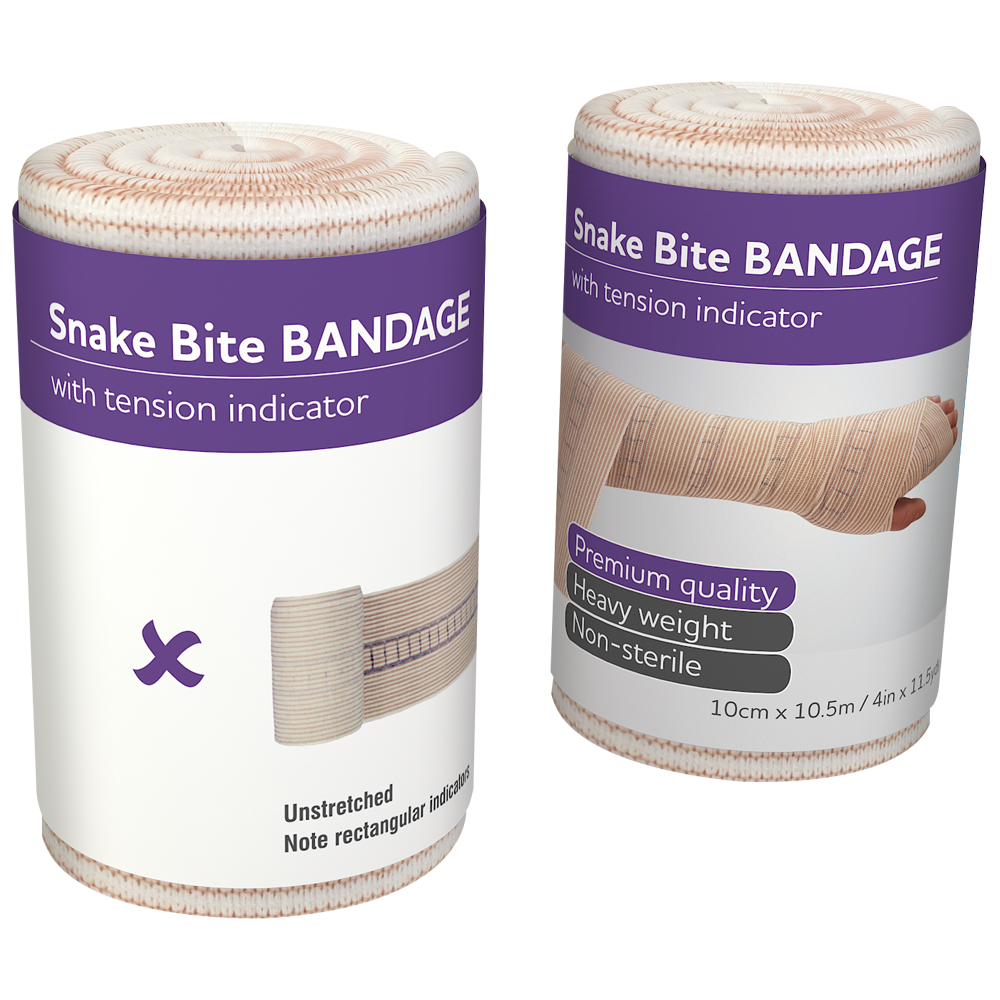
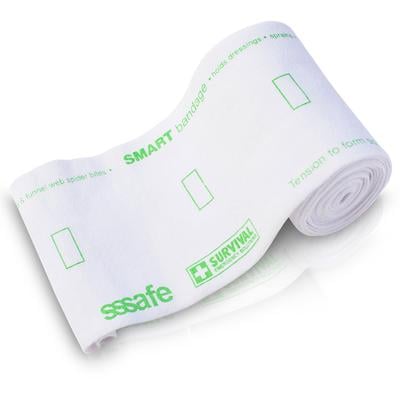
3. Apply a compression bandage or SMART bandage as soon as possible. Start from the end of the affected arm or leg and work your way up. Use a second bandage if required. The bandage should be tight but not restrict blood flow. The SMART bandage has an indicator to show you when it has been applied correctly
4. Use a heavy bandage to immobilise the entire limb, starting just above the bite and working upwards
5. Put the limb in a splint
6. Make a mark with a pen on the bandage to show where the bite is
7. Keep the patient calm and still until help arrives
If the patient has lost consciousness and is not breathing properly or at all, you will need to perform CPR (cardiopulmonary resuscitation). You may receive instructions to do this over the phone from the emergency operator. Read these guidelines on how to perform CPR to know more.
What not to do
It’s also important to know what not to do when someone is bitten by a snake. Don’t:
- Wash the area around the bite
- Attempt to suck the venom out
- Discard the patient’s clothing
- Try to catch or handle the snake
How to avoid getting bitten by snakes
It makes sense to avoid getting bitten by snakes as far as you can. Remember that they only bite when they feel threatened and would prefer not to encounter humans at all.

Here’s how to avoid snake bites:
- Keep your distance from any snake you come across and give it plenty of space so it can escape
- Don’t be tempted to pick a snake up or handle it
- When you’re out walking in the bush, make a noise so snakes know you are there and can avoid you. Stomping your feet is a good way to do this
- Never walk barefoot in areas where there could be snakes — wear socks and boots as well as thick clothing such as jeans, as most snake bites affect the lower part of the body
- Be extra vigilant at night when snakes are more active and use a torch if walking in the dark
- Snake bites can happen at home too. Look out for snakes around your house and garden
- Consider your pets’ safety too — supervise them when they are in the garden
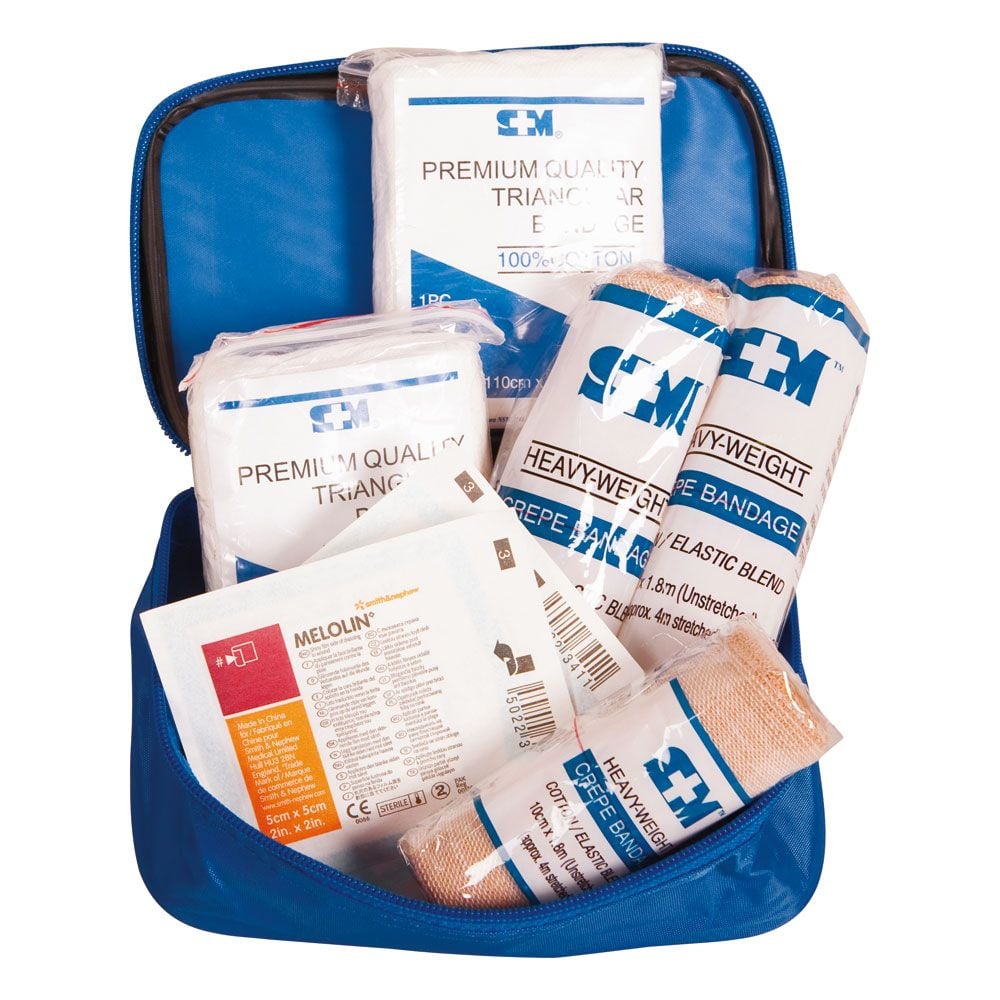
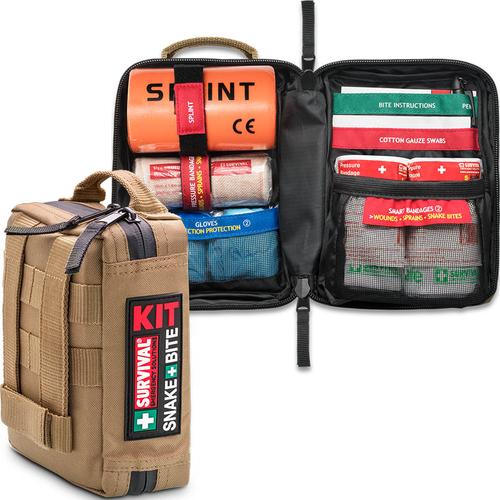
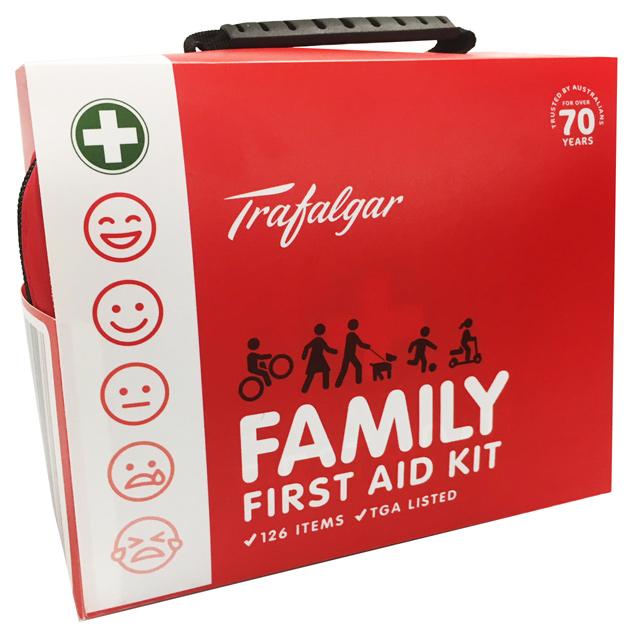
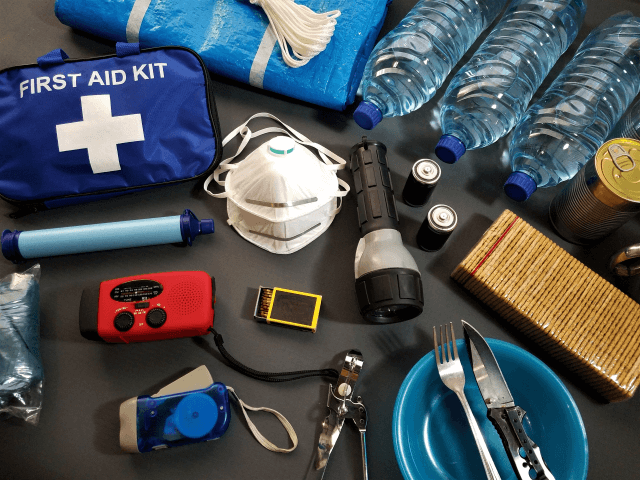
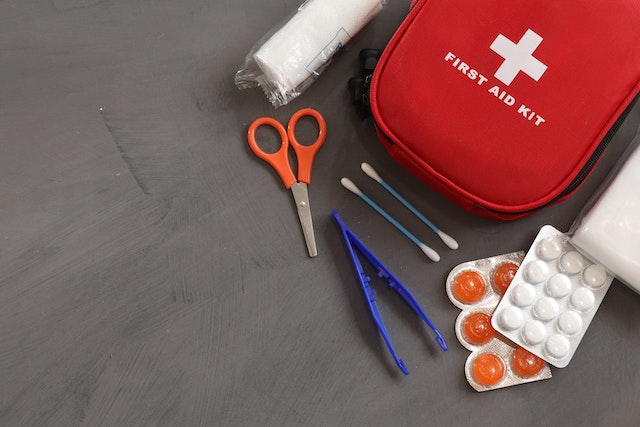
You can also keep a snake bite first aid kit at home or in your car so you are always prepared.
It pays to be prepared
While fatal snake bites are very rare in Australia, it still pays to be prepared.
This means learning a few first aid techniques and having a first aid kit including a compression bandage to hand.
Know that MediBC is a premier supplier of first aid kits and supplies to help keep you safe. Browse our collection to find first aid kits to keep at home and on the move so you can enjoy all your usual everyday and leisure activities with peace of mind.
Snake Bite First Aid Kits
Pressure-immobilisation snake bite kits for bushwalkers, 4WDers, and rural Australians.