

If you know someone with diabetes, you’ll understand that they have to manage their condition carefully to keep healthy.
If they don’t do this, they are at risk of experiencing a diabetic emergency.
In this article, we explain the symptoms of a diabetic emergency and what you can do to help.
About diabetes
Diabetes is a chronic (lifelong) condition where your body is unable to process glucose (also known as blood sugar) in the bloodstream.
Normally, the pancreas produces a hormone called insulin that helps glucose to transit from the bloodstream into the body’s cells. From there, it’s used for energy.
In type 1 diabetes, the immune system destroys insulin-producing cells.
In type 2 diabetes, the body doesn’t produce enough insulin or the cells in your body don’t respond to it.
In either case, the result is that glucose levels build up in the bloodstream.
The main symptoms of undiagnosed or uncontrolled diabetes include:
- Thirst
- Frequent urination
- Fatigue
- Weight loss
- Thrush infection
- Blurred vision
- Slow healing wounds
Living with diabetes
If you have been diagnosed with type 1 (insulin-dependent) diabetes, you will need to have regular insulin injections for the rest of your life.
You can make lifestyle changes to help manage type 2 (non-insulin-dependent) diabetes — for example, eating healthily and taking regular exercise.
You may also require medication at some stage.
For both types of diabetes, you will need to take regular blood tests to check your glucose levels and keep up with appointments with your healthcare provider.
What is a diabetic emergency?
A diabetic emergency is when your blood sugar either becomes too high or too low.
In hyperglycaemia (high blood sugar), the patient’s blood sugar level is higher than normal. This could be because they have not had the right dose of medication, have eaten too much sugary or starchy food, or have an infection.
In hypoglycaemia (low blood sugar), the patient’s blood sugar level is lower than normal. It may be a result of an imbalance between the level of insulin and that of glucose in the blood.
What are the signs of a diabetic emergency, and what should I do?
Signs of hyperglycaemia (high blood sugar) include:
- Dry, warm skin
- Rapid heartbeat and breathing
- Sweet-smelling breath
- Excessive thirst
- Drowsiness that can make the patient unresponsive (sometimes called a diabetic coma)
If you think the patient is experiencing hyperglycaemia (high blood sugar), dial triple zero (000) for help.
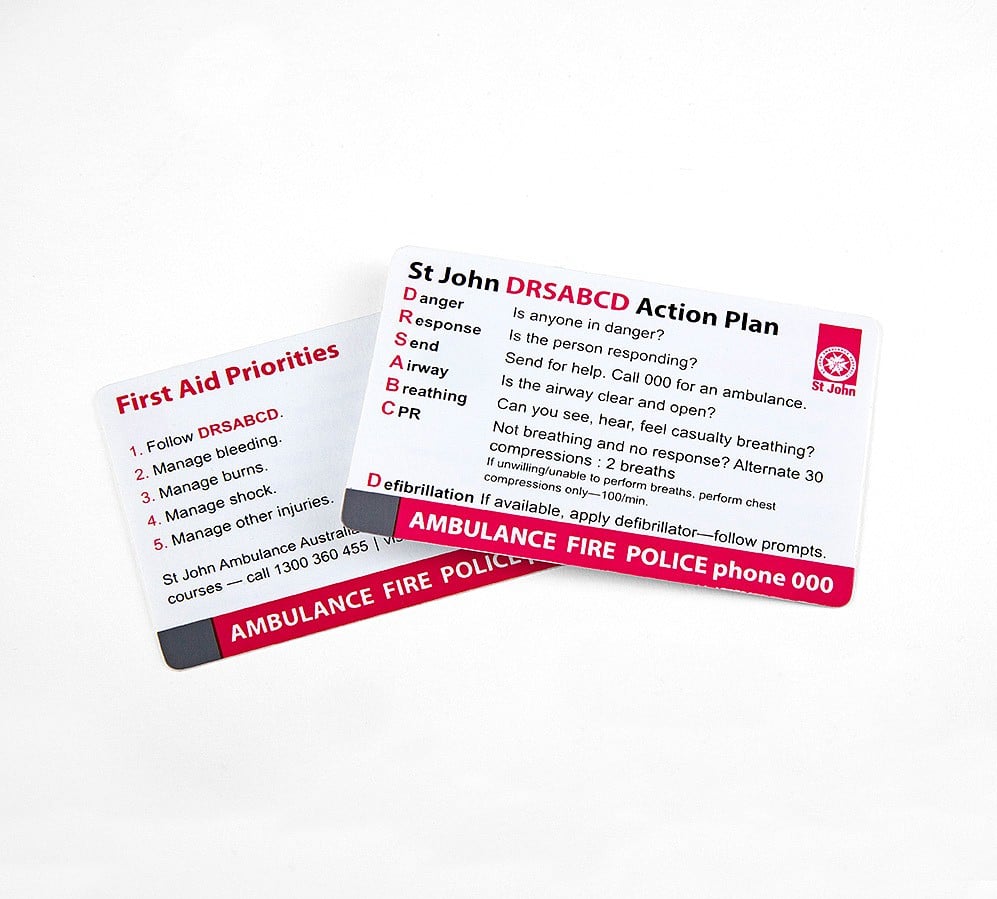
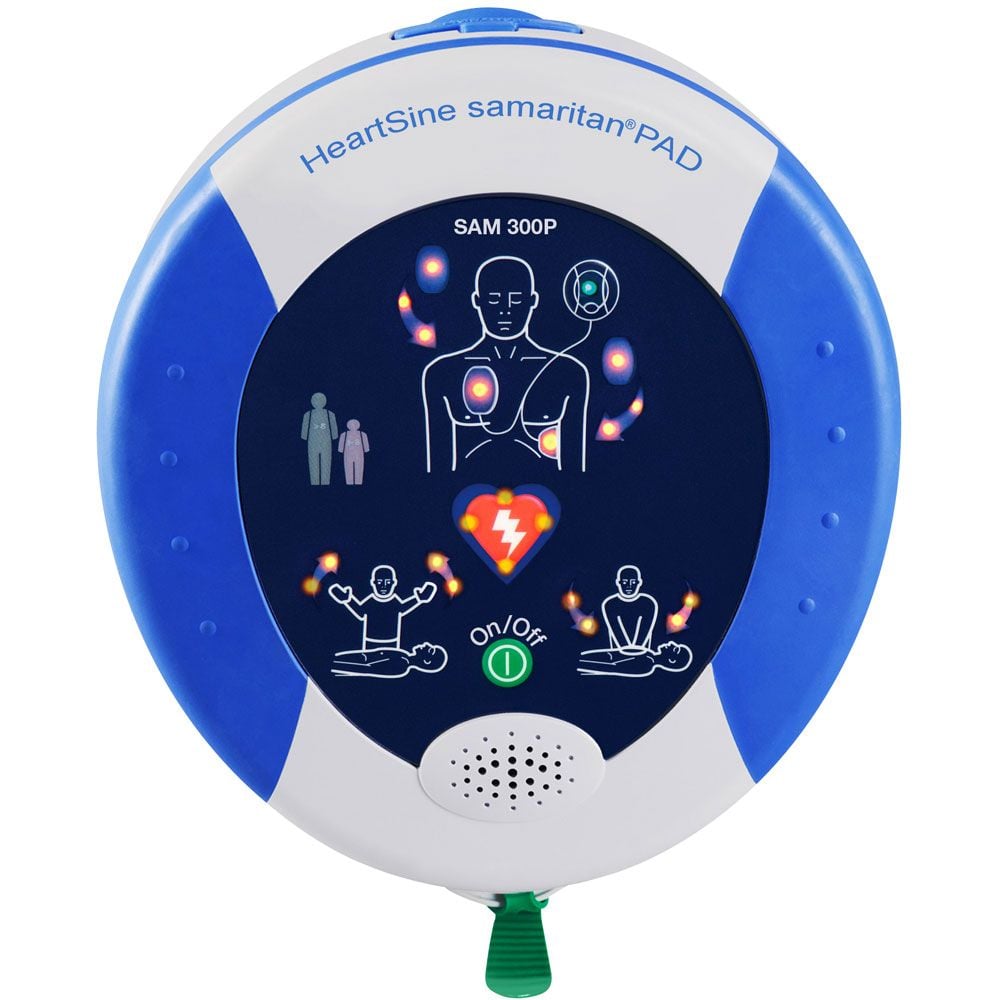
While you wait for help, monitor the patient’s breathing, pulse, and response. If they become unresponsive, you may need to do CPR (cardiopulmonary resuscitation). The emergency operator can talk you through this.
Signs of hypoglycaemia (low blood sugar) include:
- Faintness, weakness, or hunger
- Confusion
- Sweating and clammy skin
- Rapid heartbeat
- Palpitations
- Shaking
- Lack of response
If you think the patient is experiencing hypoglycaemia (low blood sugar), get them to sit down.
They may carry glucose tablets. If so, help them take them. If they’re not available, give them something sugary, like a glass of fruit juice, three teaspoons of sugar, or three sweets.
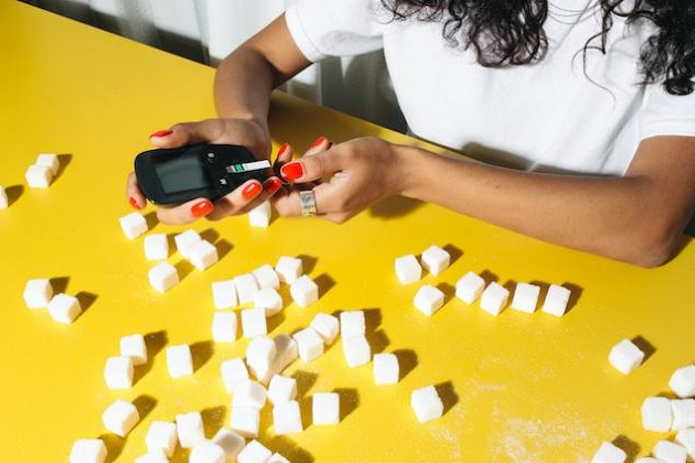
If they improve, give them some more sugary food or drink and encourage them to rest. You can help them test their blood sugar level if they have their blood glucose testing kit available.
Keep by their side until they feel completely better.
If they don’t show a rapid improvement, dial triple zero (000) for help.
Don’t offer them food or drink if they are not fully alert, as they may choke.
If they become unresponsive, you may need to give them CPR. The emergency operator will give you instructions.
How to avoid and prepare for a diabetic emergency
If you or a loved one is diabetic, you will want to do all you can to avoid an emergency. Here’s how:

Monitor your blood glucose levels regularly, according to your treatment plan. This will help you keep your blood sugar in balance before it gets too low or too high.
- Live a healthy lifestyle. Exercise regularly and eat a sensible diet that avoids food that causes blood sugar to spike (for example, sugary treats, white pasta, and white bread).
- Follow your treatment plan and keep up with your medical appointments.
- Understand the signs of a diabetic emergency and teach the people around you to know them too.
- Have a diabetic emergency kit available, including a blood glucose monitor kit, glucose tablets, and any medication you regularly take.
- Wear a medical alert bracelet. This will let people around you know that you have diabetes and help them get you the right treatment without delay.
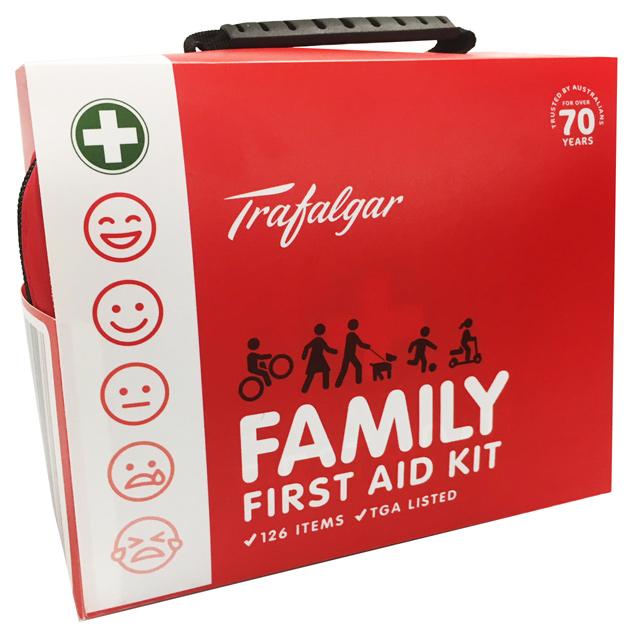
- You may also want to keep a first aid kit handy in case the patient experiencing a diabetic emergency injures themselves during an episode.
Live life to the full with diabetes
Fortunately, diabetic emergencies can be preventable as long as you take care of your health and monitor your blood glucose levels.
It’s also good to prepare for an emergency, whether you or a loved one is living with diabetes, by knowing some basic first aid and what to do in the event of too low or too high blood sugar.
Understanding diabetes and knowing how to act in an emergency will give you the confidence to live life to the full.
Diabetic Emergency & Monitoring Essentials
Multi-test monitoring kits, AEDs, and family first aid kits for diabetic emergencies.