

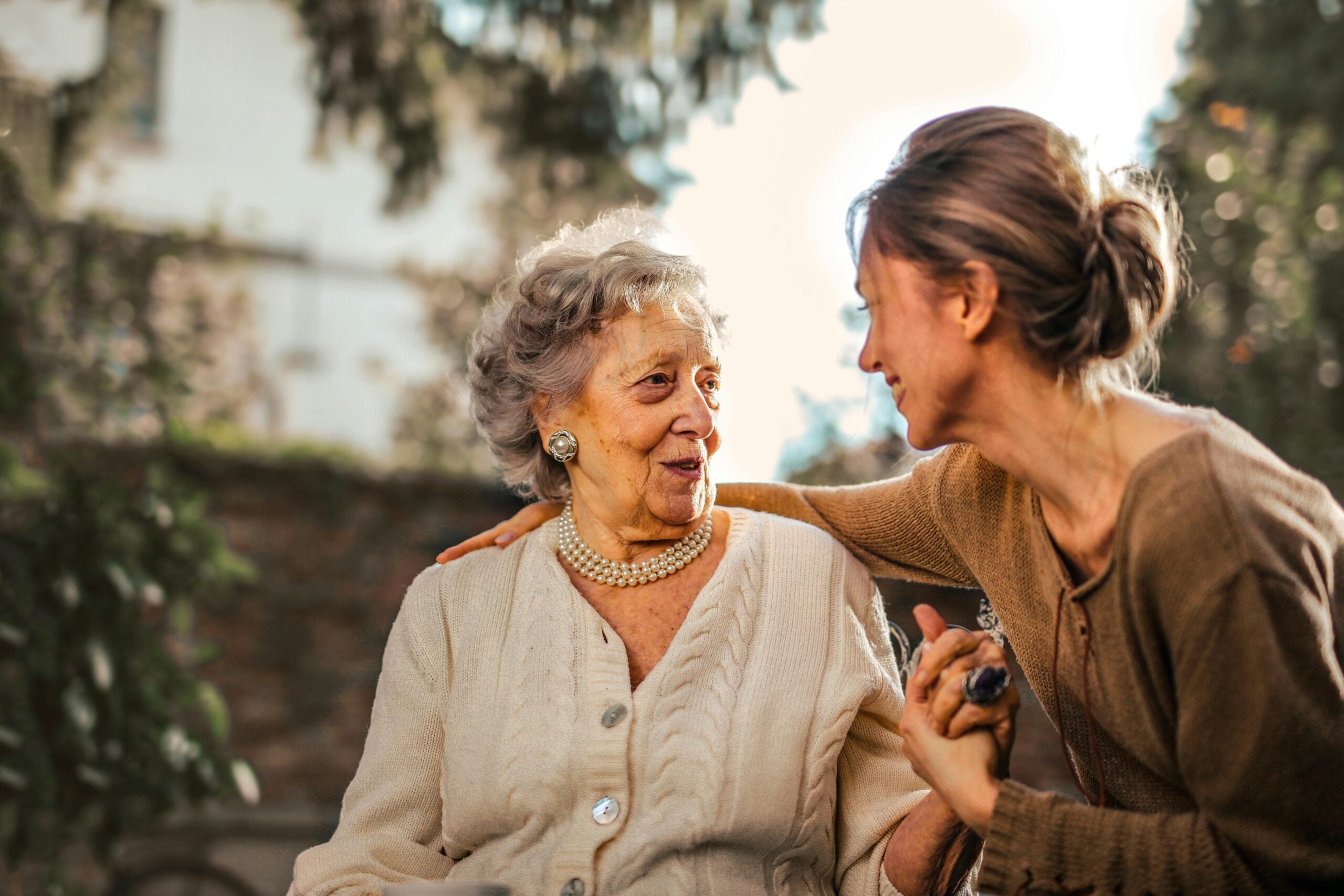
Did you know that, according to the AIHW (Australian Institute of Health and Welfare), falls are the leading cause of hospital stays because of injury in Australia? The risk of falls also increases the older you get.
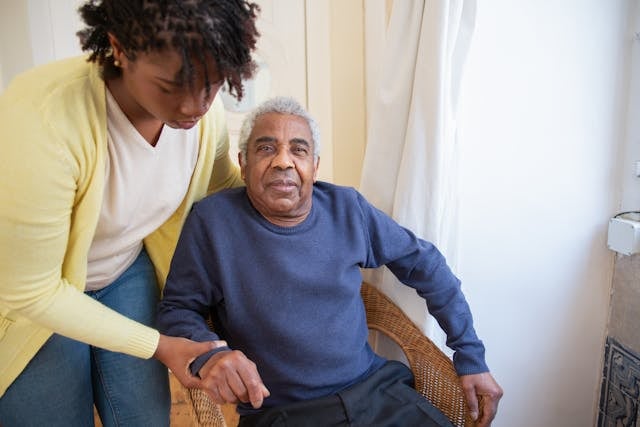
So, if you live or work with the elderly or someone with mobility issues, it’s important to know what to do if they fall.
Read our guide to falls prevention and treatment to understand first aid for falls as well as how to prevent them.
What causes falls?
There are many reasons why someone might have a fall. In the elderly, changes as part of the aging process can lead to a fall. These include:
- Difficulty with balancing
- Weaker muscles
- Poorer eyesight
- Slower reactions
- Dehydration and/or malnutrition
- Problems with cognitive function, such as dementia
Hazards around the home can also contribute to falls. Look out for:
- Inadequate lighting
- Unsafe footwear (for example, slippers that are too loose)
- Slippery surfaces, including recently mopped floors
- Trip hazards (for example, cables or rugs)
- Uneven surfaces
- Steps or stairs
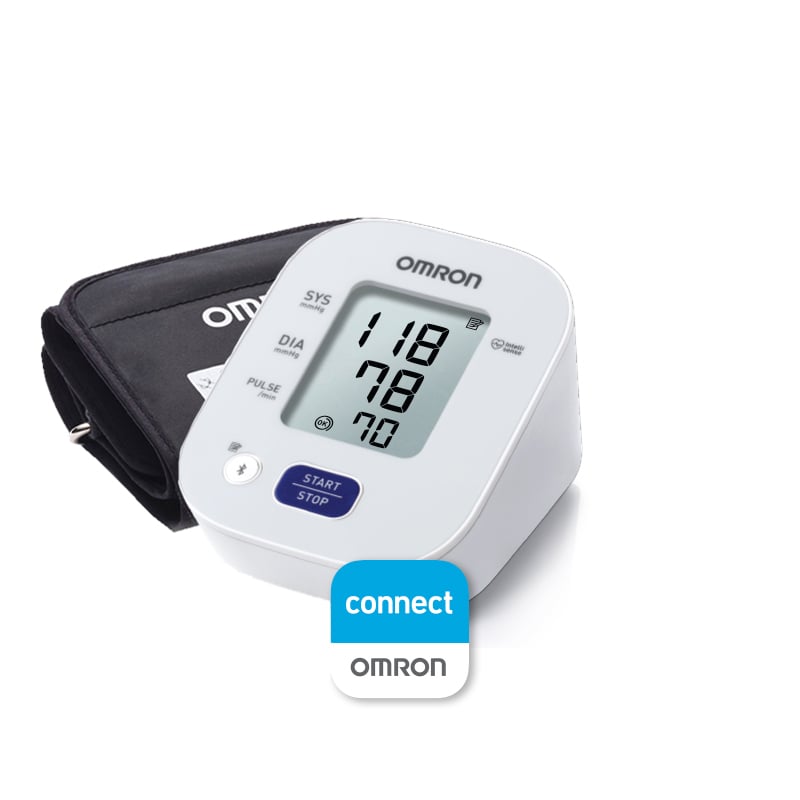
People with health conditions that affect their balance, muscle strength, sensation in the feet or legs or mobility may also be at risk of falling. These include low blood pressure, Parkinson’s disease and diabetes.
How to prevent falls
There are many simple ways you can lower your risk of having a fall.
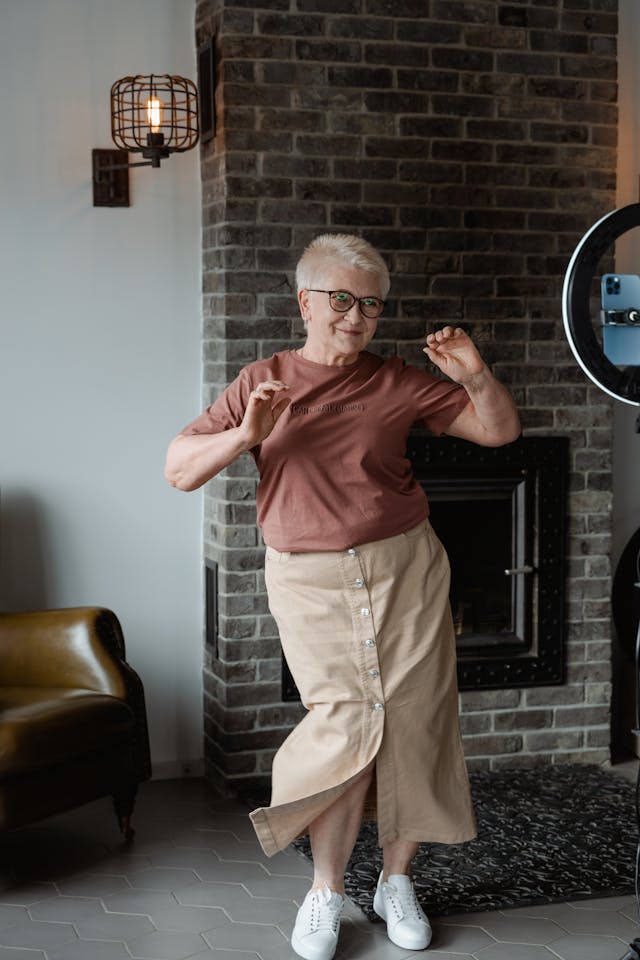
Changing your lifestyle
- Maintain physical activity levels. Try to aim for at least 30 minutes of exercise every day. Know that some activities like tai chi and yoga can specifically help improve your balance.
- Follow a healthy diet. Make sure you have plenty of fresh fruit and vegetables, whole foods and lean protein in your diet. Stay hydrated too by drinking water or other clear fluids regularly throughout the day.
- See your doctor. It’s important to keep your regular healthcare appointments so you can discuss any symptoms of dizziness or unsteadiness. They will also give you a chance to review any medication that might be causing symptoms that increase your risk of falls.
Changing your environment
- Lighting. Make sure there is adequate lighting in your home. You can also leave lights on at night to make it easier if you need to get up and use the bathroom, for example.
- Slipping. Reduce the chances of slipping around the home by using non-slip flooring or mats, especially in bathrooms. Handrails in the bathroom can also help when you get in and out of the bath or shower. In the bathroom, a shower chair lets someone sit down while they wash.
- Tripping. Remove trip hazards from around the home. These include clutter, loose electrical cables and worn carpets or mats.
First aid for falls
If you come across someone who has fallen, it’s important to know how to help them. This is what you should do:
Call triple zero (000) without delay if the casualty:
- Has serious injuries, including head injury or fracture (see our guide to concussion symptoms)
- Is unconscious
- Has fallen from a height
- Is having difficulty breathing
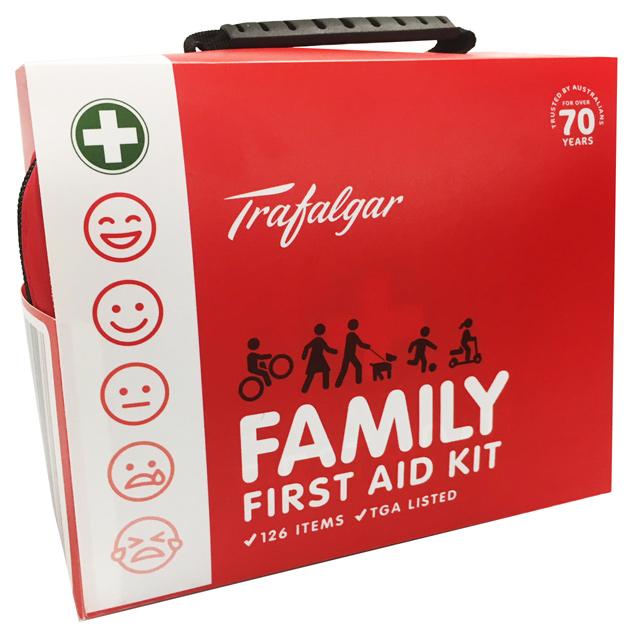
Grab your first aid kit and assess your casualty’s condition. You can use the DRSABCD action plan to guide you through the steps:
- D is for danger. Check that the environment around the patient is safe for both you and them.
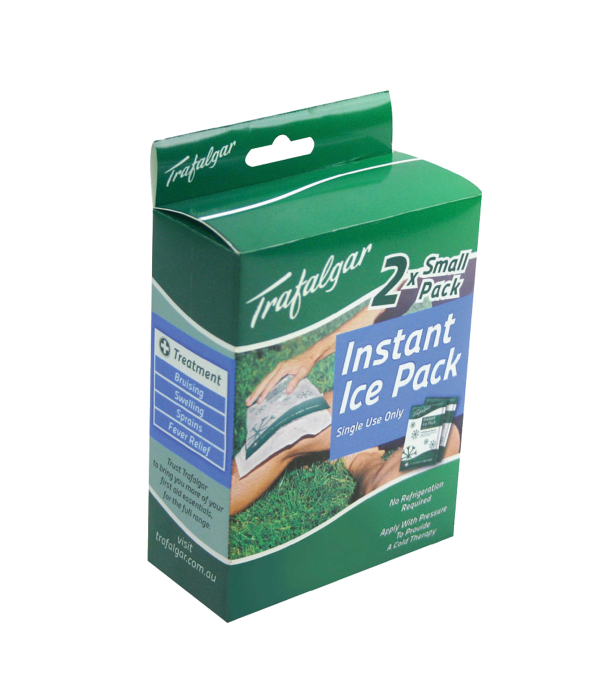
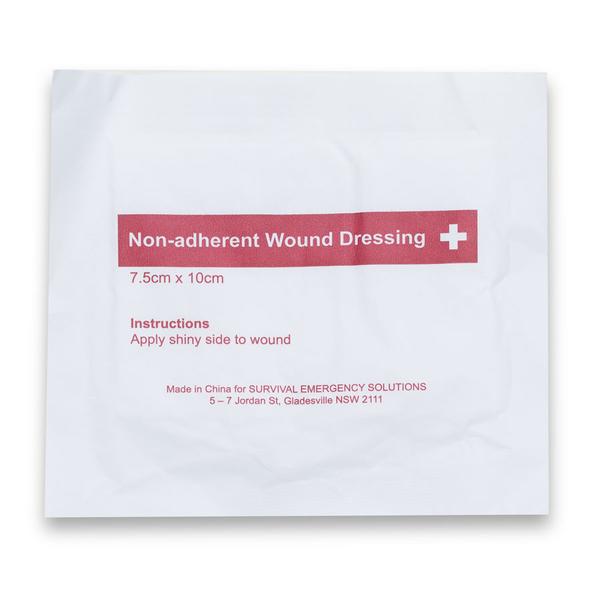
- R is for response. Check the casualty’s level of response. If they are able to interact with you, make them comfortable, check for injuries and give first aid if appropriate. You can apply an ice pack to swelling or bruising or clean and cover a wound with a sterile dressing.
- S is for send. This means you should send for help if the casualty is unresponsive or you are worried about their injuries. Dial triple zero (000) to speak to the emergency services.
- A is for airway. Check whether their airway is blocked. If it is not, place the casualty on their back, tilt their head and lift their chin. This will help to keep their airway open. If their airway is blocked, place the casualty on their side. Remove any blockage carefully, if possible, without pushing it further into the airway.
- B is for breathing. If the patient is breathing without difficulty, they can remain on their side. If they are not breathing, place them on their back and start CPR (cardiopulmonary resuscitation).
- C is for CPR. Give 30 chest compressions followed by 2 breaths. Continue until help arrives or the casualty takes a breath. If you are on the phone with the emergency operator, they can talk you through the procedure.
- D is for defibrillator. Use a defibrillator to give an electric shock to get the heart back to a normal rhythm. The defibrillator includes step-by-step instructions, so you don’t have to worry about what to do.
Your go-to for first aid kits and supplies
As we’ve seen, falls are common in the older population. So, it makes sense to know what to do to reduce your or a loved one’s risk of falling and how to help if required.
One simple action you can take is have a fully stocked first aid kit close to hand. Know that MediBC supplies top-quality first aid kits to homes and workplaces around Australia — we’re your go-to for kit refills too!
Reach out to us today for any questions about our first aid products.
Falls Prevention & First Aid Essentials
Family kits, ice packs, dressings, and BP monitors to prevent and respond to falls at home.