



Reviewed by the Medibc First Aid Team — last updated May 2026.
Blood pressure that’s too high or too low can lead to serious medical consequences. For example, high blood pressure can put you at increased risk of heart attack or stroke.

And low blood pressure can make a patient feel weak and dizzy.
In this article, we explain what you need to know about blood pressure as a first aider.
What exactly is blood pressure?
Let’s start by understanding what blood pressure is.
Blood pressure describes the force your heart uses to pump blood around your body.
When you have your blood pressure taken, the reading will be given in two figures, one over the other — for example, 130 over 80 or 130/80mmHg (millimetres of mercury).
The top figure represents systolic pressure, the pressure when your heart pushes blood out.
The bottom figure represents diastolic pressure, the pressure when your heart is resting in between beats.
What’s a healthy blood pressure reading?
Normal or healthy blood pressure is within the range of 90/60mmHg to 140/90mmHg.
High blood pressure (hypertension) is greater than 140/90mmHg.
Low blood pressure (hypotension) is usually 90/60mmHg or lower.
Bear in mind that blood pressure varies throughout the day and can be affected by all sorts of different factors, such as exercise and diet.
Blood pressure first aid
Blood pressure monitoring is valuable when it comes to first aid because the reading may indicate underlying health issues.
These may vary, according to whether the patient has high or low blood pressure.
High blood pressure first aid
High blood pressure by itself may not produce distinctive symptoms. But if a patient has high blood pressure as a long-term condition, they will be at increased risk of cardiovascular issues like heart attack — when the flow of blood to the heart is blocked — and stroke — when the blood supply to your brain is reduced.
Heart attack
Heart attack symptoms include:
- Chest pain, which can include a feeling of tightness or pressure in the chest and arms that may spread to the back, neck or jaw
- Feeling dizzy or faint
- Anxiety
- Nausea or vomiting
- Sweating, which can include breaking out in a cold sweat
- Indigestion or heartburn
- Difficulty breathing or shortness of breath
This is what you should do if you think someone is having a heart attack:
- Call triple zero (000) immediately and tell the operator you think the patient is having a heart attack.
- Move the patient into a comfortable position. This could be sitting on the floor with their head and shoulders supported and their knees bent.
- Give them an aspirin tablet to chew, as long as they are not allergic to it.
- If they have their own medication for angina (chest pain caused by reduced blood flow to the heart muscles), get them to take it.
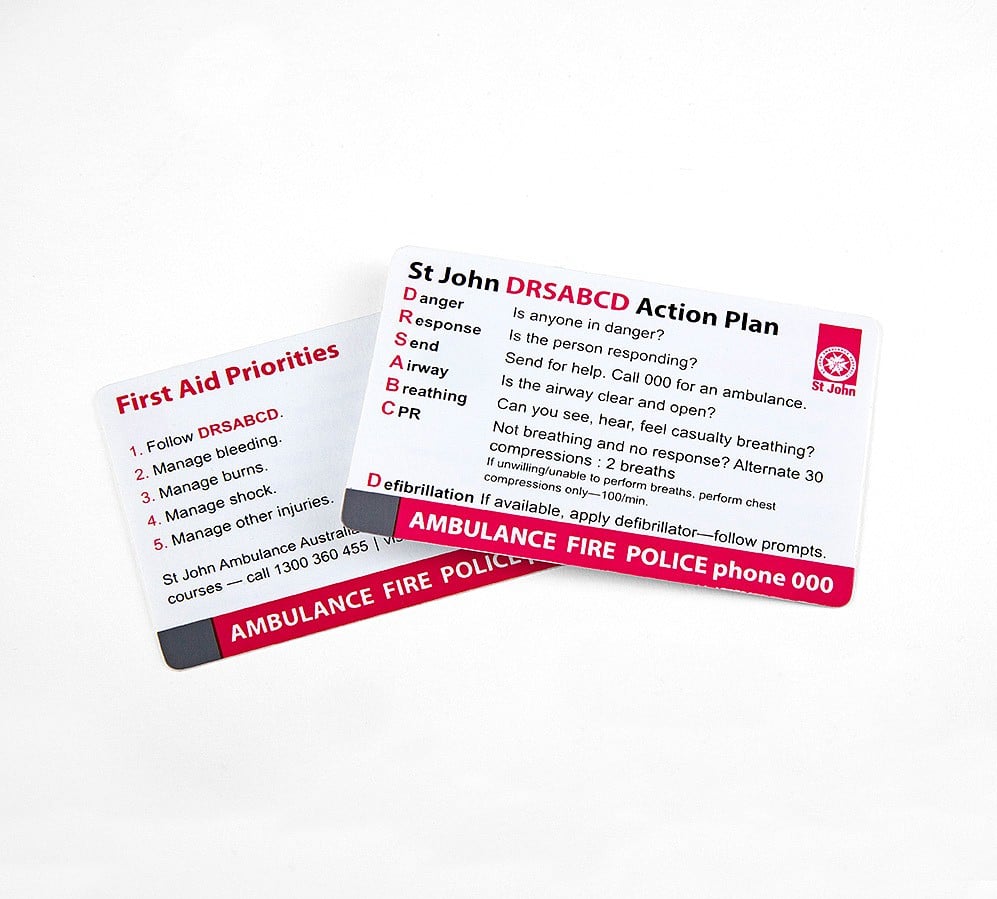
- If they are not breathing or are unconscious, perform CPR (cardiopulmonary resuscitation) if you know how.
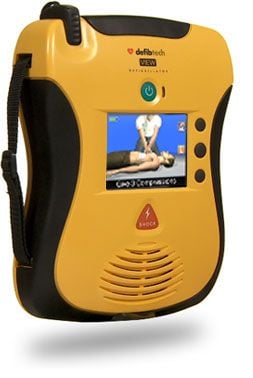
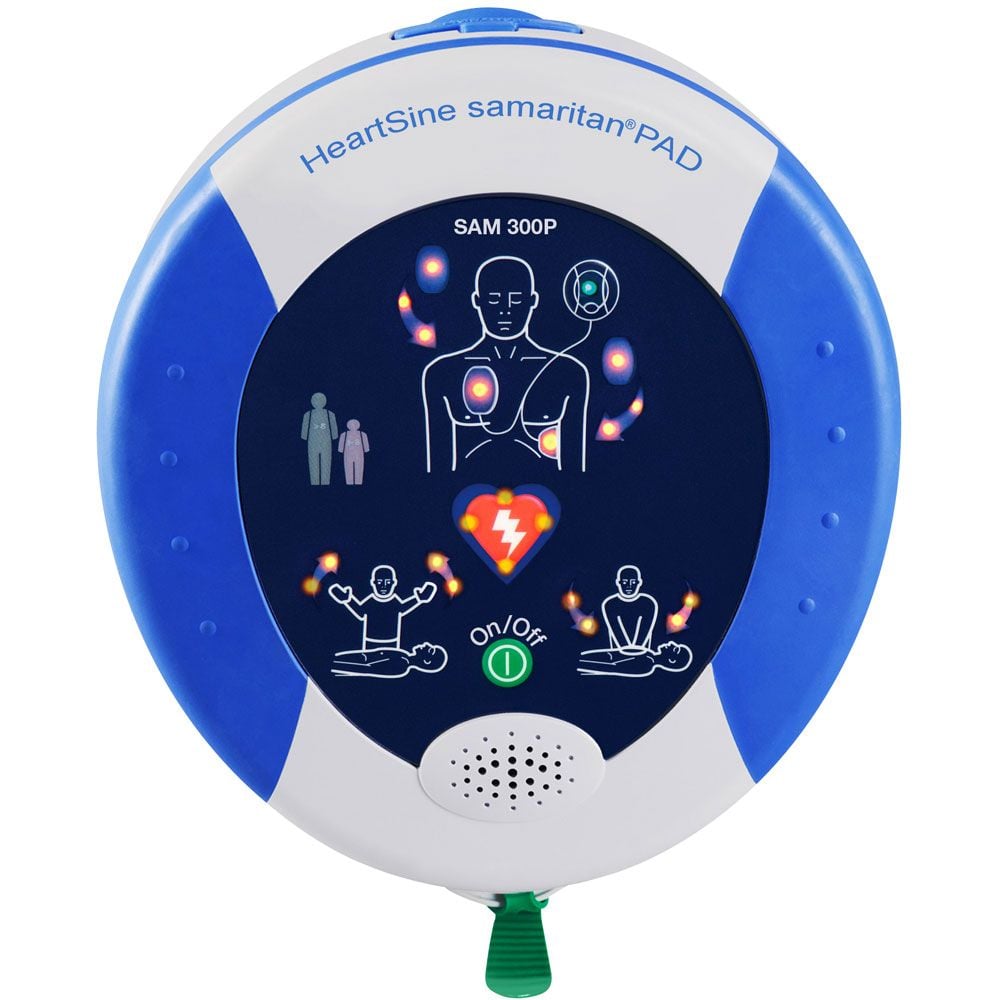
- While you wait for help to arrive, you may also use a defibrillator, which will give you instructions on how to proceed.
Stroke
You can recognise the main symptoms of stroke by using the acronym FAST:
- Face: Has the patient’s face or mouth dropped?
- Arms: Are they able to lift both arms?
- Speech: Is their speech slurred, and can they understand you?
- Time is critical: Call triple zero (000) straight away for help.
While you are waiting for help, you can:
- Make the patient comfortable.
- Keep talking to them and try to keep them calm.
- If they become unconscious but are breathing, put them in the recovery position.
- If they stop breathing, perform CPR or use a defibrillator.
Low blood pressure first aid
If someone is experiencing low blood pressure, symptoms may include:
- Dizziness
- Fainting
- Nausea
- Weakness
Low blood pressure can be linked to:
- Heavy bleeding
- Pregnancy
- Underactive thyroid
- Diabetes
- Low blood sugar (hypoglycaemia)
- Certain medications
- Heart failure
- Heat exhaustion or heat stroke
- Liver disease
First aid for low blood pressure-related fainting or dizziness involves:
- Getting the patient to lie down
- If they have fallen over, checking for injuries and treating them with your first aid kit
- Kneeling down and raising the patient’s legs, using your shoulders to support their ankles. This will help blood flow to the brain
- Ensuring they get fresh air
- Helping them to sit up slowly
It’s also a good idea for the patient to get checked out by a doctor to understand the cause of their fainting or low blood pressure.
Know your first aid for blood pressure emergencies
Knowing first aid to help someone with low or high blood pressure is an invaluable skill.
You can check out the St John Ambulance Australia website to find a first aid training course near you.
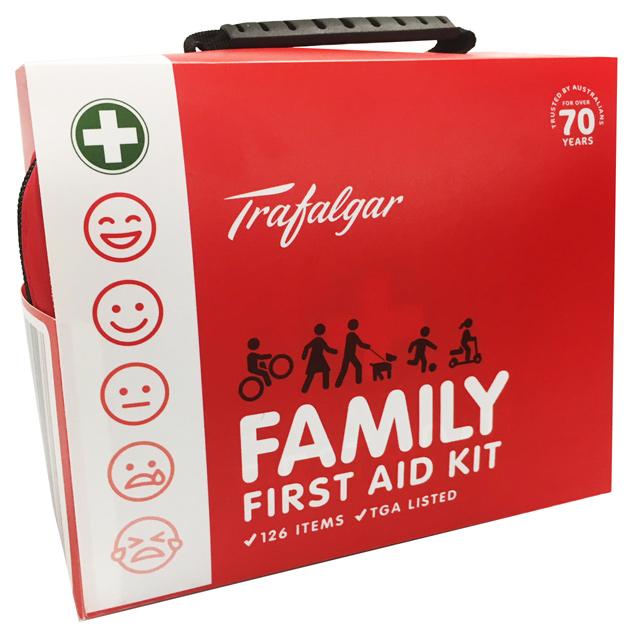
You can also browse our range of first aid kits to help you deal with minor injuries associated with fainting from low blood pressure, for example.
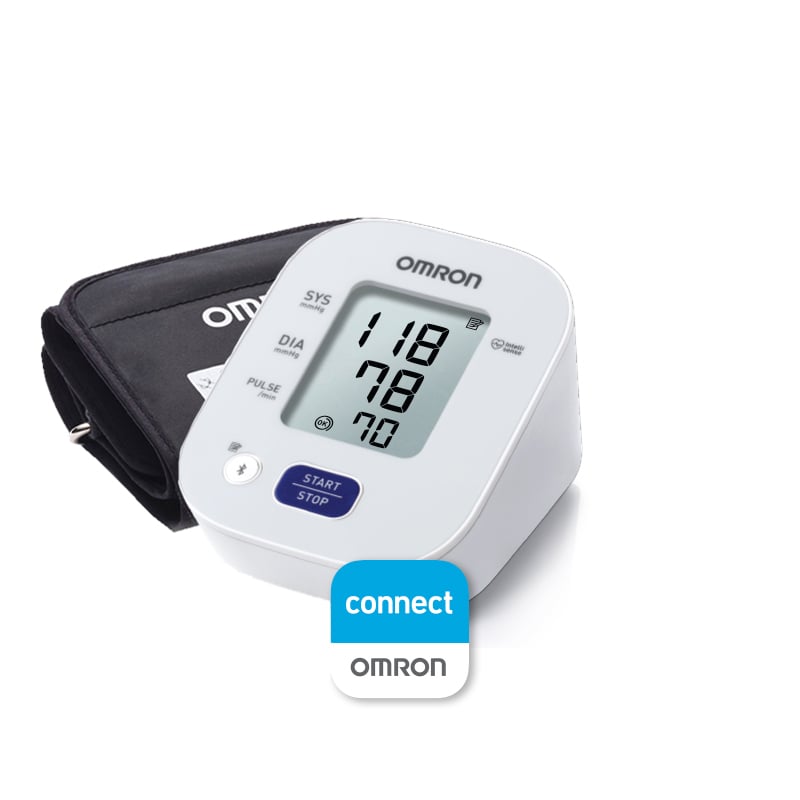
Even better, keep an eye on your or your loved one’s blood pressure with a home monitor. It will help you track your blood pressure so you can contact your doctor swiftly if you have any doubts about your health.
And remember that MediBC is here to supply you with a wide range of health and wellbeing products. Be prepared for those emergencies by browsing our collection today!
Blood Pressure & Cardiac Monitoring Essentials
Omron BP monitors, AEDs, and multi-test kits for first aiders monitoring cardiovascular health.

Frequently asked questions
How do you take a manual blood pressure with a sphyg and stethoscope?
Place the cuff snugly on the upper arm 2-3cm above the elbow crease with the artery marker over the brachial artery. Locate the brachial pulse with your fingers and place the stethoscope diaphragm over it. Inflate the cuff to 180mmHg (or 30mmHg above the expected systolic). Slowly release the valve at 2-3mmHg per second. The first audible thump is systolic; the point where sounds disappear is diastolic. Practice is essential - take a course to develop the skill.
What blood pressure reading needs emergency care?
Call 000 for systolic above 180mmHg OR diastolic above 110mmHg with symptoms (severe headache, chest pain, breathing difficulty, vision changes, confusion). Also call 000 for systolic below 90mmHg with signs of shock (pale, clammy, rapid pulse, weakness). Asymptomatic high BP can wait for GP review the same day; sudden BP changes with symptoms are emergencies.
Why do casualties' blood pressure change during emergencies?
Severe stress, blood loss, dehydration or major injury can drop blood pressure - signs of shock. Severe pain or anxiety can spike BP temporarily. In trauma, BP often drops in late shock - meaning the casualty has already lost significant blood. Always treat the casualty, not the number - someone with BP 80/40 who is unconscious needs immediate intervention even if you can't get a reading.
Sources: National Heart Foundation of Australia — Blood pressure, Australian Resuscitation Council Guidelines, healthdirect.gov.au — Blood pressure.