


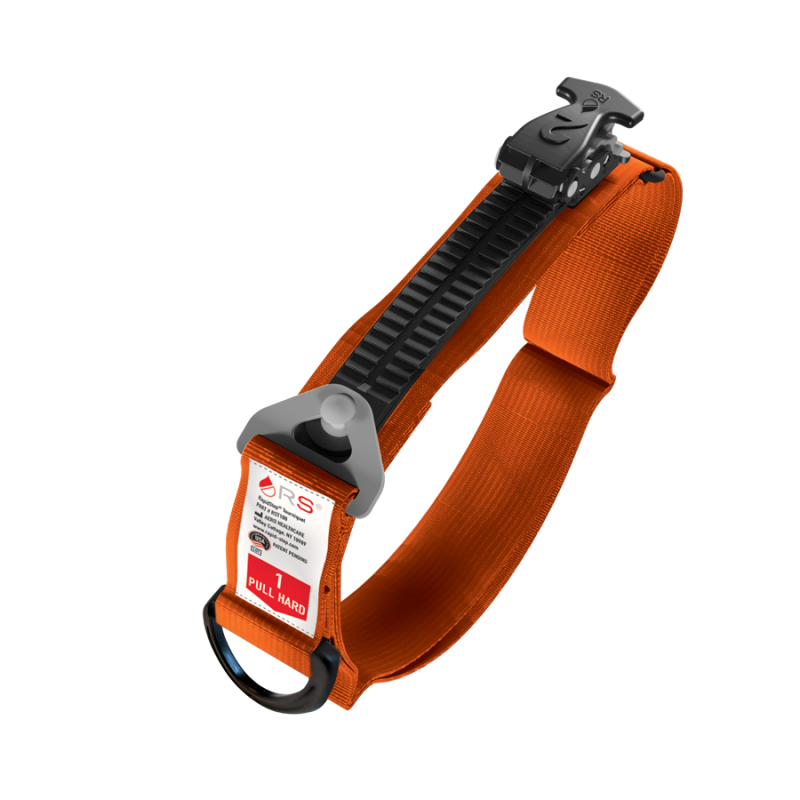
RAPIDSTOP Civilian Tourniquet (Orange)
Tourniquets
$61.98
RAPIDSTOP Civilian Tourniquet (Orange Strap)
Secure checkout
VISA
Mastercard
Apple Pay
Google Pay
Also accepted
AMEX
Afterpay
Zip
Klarna
PayPal
In stock
SKU
RST101
The RapidStop Civilian Tourniquet (Orange) is built around one-handed self-application. High-visibility orange, so the tourniquet is found fast in a kit and is obvious on a casualty at handover. It relies on key technologies to achieve rapid, intuitive application requiring only gross motor control — which matters because fine motor skill is the first thing to go under blood loss and stress. It achieves full occlusion reliably and rapidly, with the fastest average occlusion time, and suits injuries to both arms and legs. Part of the tourniquet range.
Key Features
- One-hand self-application — and faster still when a responder uses both hands
- Requires only gross motor control, which is what makes self-application realistic under stress
- Achieves full occlusion reliably and rapidly, with the fastest average occlusion time
- Suitable for arms and legs
- All-age suitability
- Military grade ruggedness
Specifications
| Colour | Orange |
| Application | One-handed, self-application capable |
| Suitable for | Arms and legs, all ages |
| Build | Military grade |
| Pricing unit | Unit |
| Carton quantity | 25 |
| SKU | RST101 |
Uses
Life-threatening limb bleeding in military, first response, industrial and civilian settings. Carry it in the belt pouch, train with the blue training tourniquet, or buy it in a bleed control kit. Browse the tourniquet range.
Tourniquet FAQs
Why does one-handed application matter?
Because the injury may be to the arm you would otherwise use, and because a casualty may have to treat themselves before help arrives. A tourniquet that needs two working hands is a tourniquet that fails in the most likely scenario.
What does "only gross motor control" mean in practice?
Under severe stress and blood loss, fine motor skills degrade first. A design that works with clumsy, shaking hands still works when it is actually needed — one that needs threading or precise alignment does not.
How tight is tight enough?
Tight enough to stop arterial flow, which is tighter and more painful than most people expect. Bleeding that continues means it is not tight enough. Training on a simulator is the only way to calibrate that safely.
When should a tourniquet be used?
For life-threatening limb bleeding that direct pressure is not controlling. Note the time of application. This is a trained skill, and the decision to apply one belongs with someone who has been taught it.
You must not rely on the information on this site as an alternative to medical advice from your medical physician or other qualified healthcare provider. Consult your healthcare provider immediately if you think that you may have a medical emergency or for the diagnosis and treatment of injuries. Always seek the advice of your physician or other qualified healthcare provider before starting any new treatment or with any questions that you may have regarding a medical condition or injury.
| Manufacturer_ms | Germany |
|---|---|
| Model Number_ms | K61SD521 |
| Ecolabel_ms | yes |
| Brand | RapidStop |