


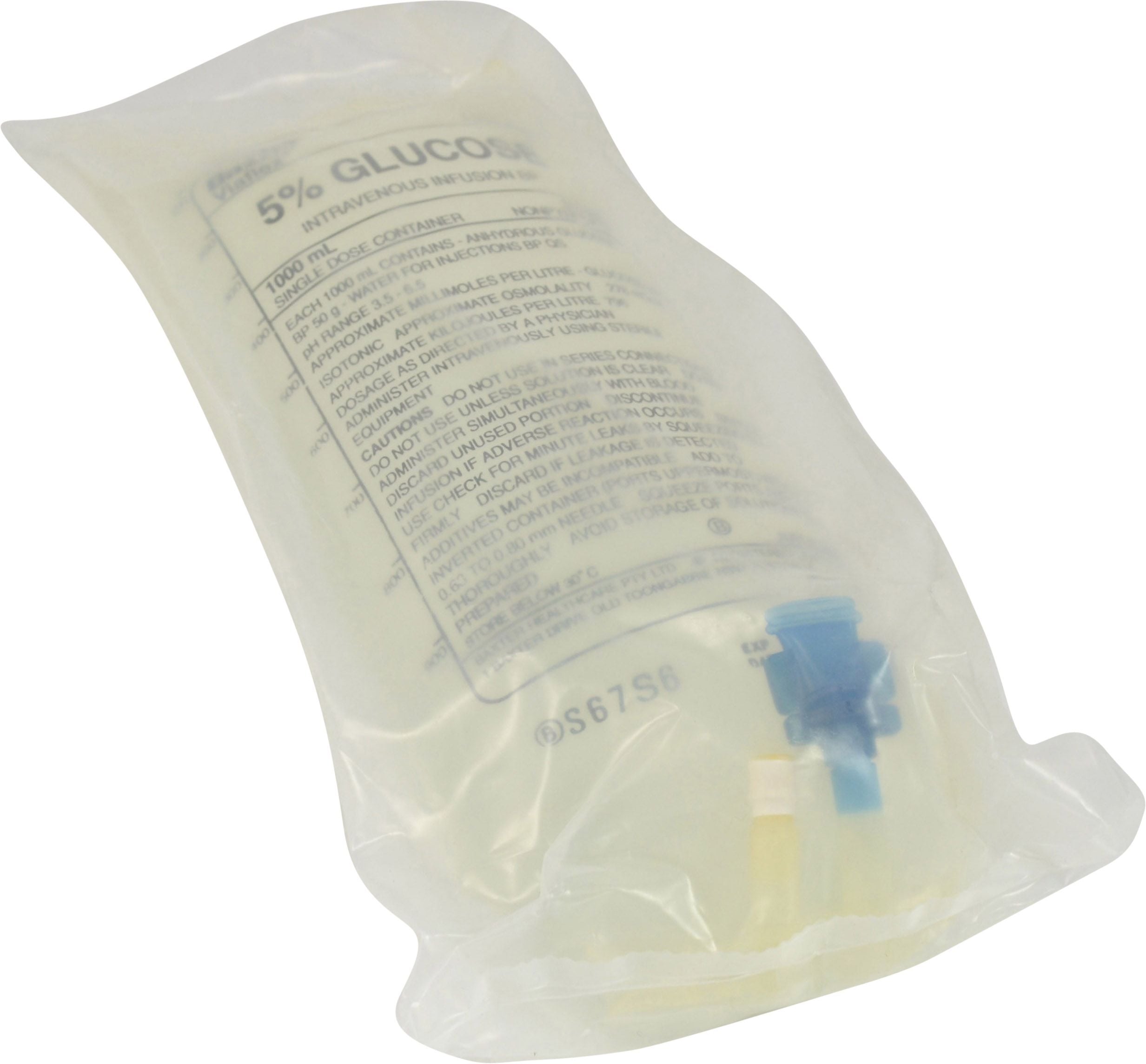
Reviewed by the Medibc First Aid Team — last updated May 2026.
According to healthdirect.gov.au, more than 1.5 million Australians live with diabetes — and one in four will experience a severe hypoglycaemic episode each year. A "hypo" can drop blood sugar to dangerous levels within minutes, leading to confusion, seizure, or unconsciousness if not treated quickly. Whether you are a parent of a child with type 1 diabetes, a workplace first aider, or simply want to be prepared, knowing the Australian first aid response can be lifesaving.
This guide walks through the ANZCOR 15-15 hypo rule, how to recognise low and high blood sugar emergencies, what to keep in a diabetic-aware first aid kit, and exactly when to call 000.
What is a diabetic emergency?
Diabetic emergencies fall into two main categories — both are time-critical and both need a different first aid response.
Hypoglycaemia (low blood sugar, "hypo")
Hypoglycaemia is blood glucose below 4.0 mmol/L. It develops over minutes when the body has too much insulin relative to glucose — common triggers include missed meals, unplanned exercise, alcohol, or accidental insulin overdose. Symptoms include shaking, sweating, intense hunger, confusion, slurred speech, blurred vision, weakness, and (if untreated) seizure or unconsciousness. This is the most common diabetic emergency and the one workplace first aiders are most likely to encounter.
Hyperglycaemia (high blood sugar)
Hyperglycaemia is blood glucose above 15.0 mmol/L (or above 11.0 if symptomatic). It develops over hours to days when there is too little insulin. Symptoms include extreme thirst, frequent urination, blurred vision, fatigue, fruity breath, and abdominal pain. If left untreated, hyperglycaemia can progress to diabetic ketoacidosis (DKA) in type 1 diabetes or hyperosmolar hyperglycaemic state (HHS) in type 2 — both medical emergencies requiring hospital treatment.
Why hypoglycaemia is the priority for first aiders
While hyperglycaemia is dangerous, it usually develops slowly enough that the casualty can self-manage or seek medical help. Hypoglycaemia, by contrast, can render a person unable to help themselves within 5–15 minutes — making bystander first aid critical.
The ANZCOR 15-15 hypo treatment rule
The Australian and New Zealand Committee on Resuscitation publishes the gold-standard hypoglycaemia first aid sequence used by paramedics, schools, and workplaces across Australia. It is simple, memorable, and effective for conscious casualties.
Step 1: Give 15g of fast-acting glucose
If the casualty is conscious and can swallow safely, give one of the following:
- 6–7 jellybeans — the easiest workplace option, long shelf life
- 1 tube of oral glucose gel (15g) — faster absorption, sterile single-use tubes
- Half a glass (125 mL) of regular fruit juice or soft drink (NOT diet)
- 3 teaspoons of sugar or honey dissolved in water
- 6 large glucose tablets
Do NOT give chocolate, ice cream, or anything containing fat — fat slows glucose absorption and delays recovery. Avoid solid food until the hypo is resolved.
Step 2: Wait 15 minutes, then recheck
Sit the casualty down (do not let them walk or drive). Wait 15 minutes by the clock — not by guesswork. Recheck blood glucose with their meter if available. If still under 4.0 mmol/L, repeat the 15g dose.
Step 3: Give slow-release carbohydrate
Once blood glucose is above 4.0 mmol/L and symptoms have eased, give a slow-release carbohydrate to prevent the hypo returning — a sandwich, a piece of fruit, milk, yoghurt, or the next planned meal. Skipping this step is the most common reason hypos return within an hour.
When the 15-15 rule fails
If symptoms have not improved after two rounds of the 15-15 rule (30 minutes total), call 000. The casualty may need glucagon injection or intravenous dextrose — both of which paramedics carry.
Severe hypoglycaemia: unconscious casualties
Do NOT give food or drink to an unconscious person
An unconscious casualty cannot swallow safely — food, drink, or gel in the mouth will go into the lungs (aspiration) and can cause choking, pneumonia, or death. This is the single most important rule in severe diabetic first aid.
Place in the recovery position
Roll the unconscious casualty onto their side with the upper leg bent for stability and the head tilted back to keep the airway open. This prevents the tongue blocking the airway and allows fluids to drain if they vomit.
Call 000 immediately
Paramedics carry IV dextrose 5% or 10% — the fastest way to restore consciousness. Give them: the casualty's name, that they have diabetes, when symptoms started, last meal, last insulin dose (if known), and any medical alert jewellery they wear.
Glucagon — the rescue injection
Glucagon is a hormone that releases stored glucose from the liver. It comes as either an injectable kit (older form, requires reconstitution) or as Baqsimi — a nasal powder that any bystander can administer. Family members and trained workplace first aiders may carry and give glucagon; workplace policies vary by state. Glucagon works within 10–15 minutes and is safe even if you give it to someone who turns out NOT to be having a hypo.
Hyperglycaemia first aid
Recognising high blood sugar
Hyperglycaemia signs build slowly: increased thirst, frequent urination, tiredness, blurred vision, headache. As it progresses, look for fruity (acetone) breath, deep rapid breathing (Kussmaul respirations), nausea, vomiting, and abdominal pain — these signal DKA developing.
What to do
If the casualty is conscious and able: encourage them to drink water (NOT soft drink or juice — that will worsen the high), help them check their blood glucose and ketones (Abbott Freestyle Optium Neo meter measures both), and contact their diabetes team or GP. For glucose over 15.0 with vomiting or fruity breath, treat as a medical emergency and call 000.
Diabetic ketoacidosis (DKA)
DKA is a life-threatening complication of untreated hyperglycaemia in type 1 diabetes. The body burns fat for fuel, producing acidic ketones that overwhelm the blood. Without urgent IV insulin and fluid replacement, DKA can cause coma and death. Always call 000 for suspected DKA.
Building a diabetic-aware first aid kit
A standard workplace or family first aid kit should be supplemented with diabetes-specific items if any worker, student, or family member is diabetic. Browse our full range of glucose meter kits and lancet devices for workplace stocking.
Essential items
- Blood glucose meter — with in-date test strips and spare batteries
- 15g oral glucose gel tubes (3–5 minimum) — longer shelf life than jellybeans
- Jellybeans in a sealed container (back-up fast carb)
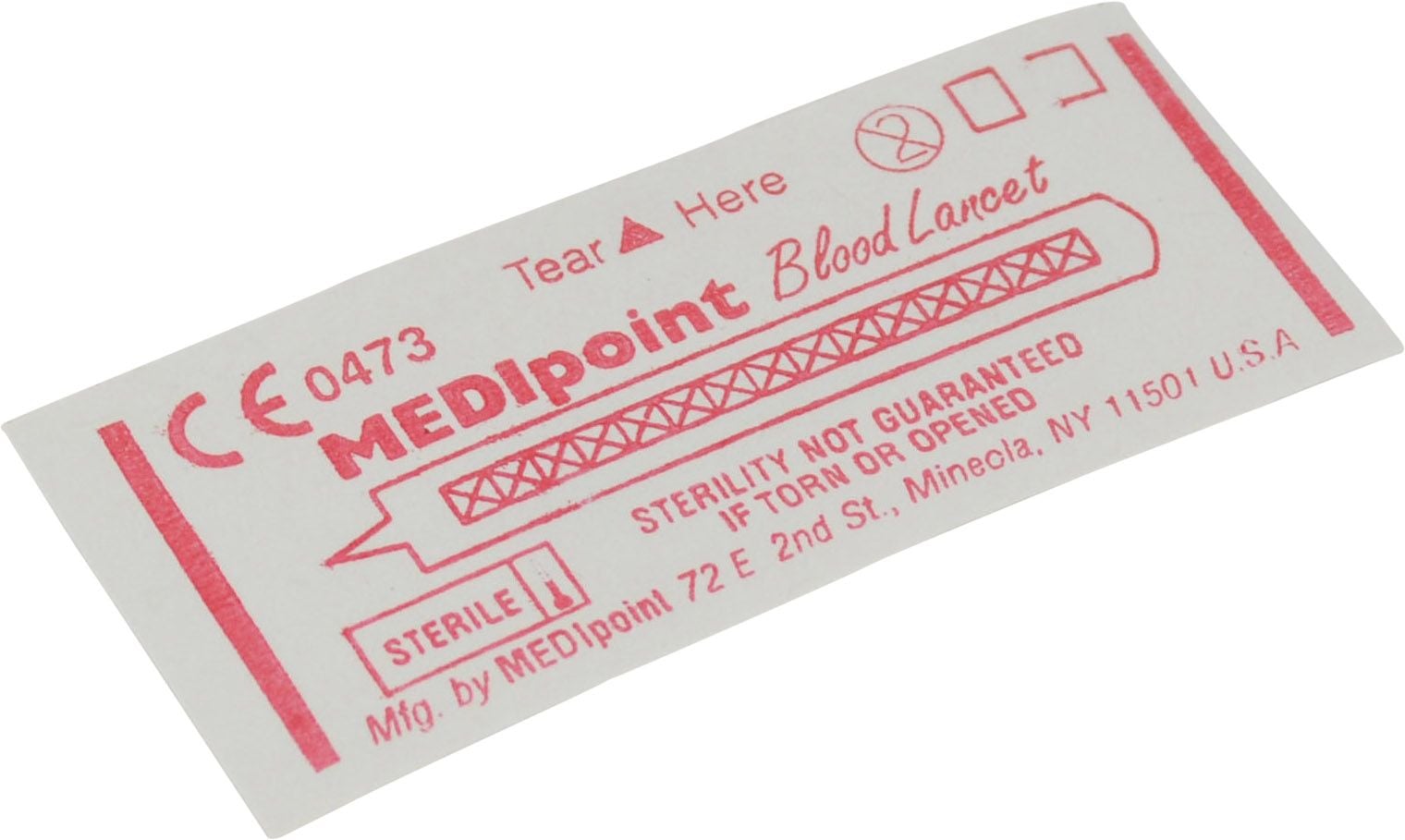
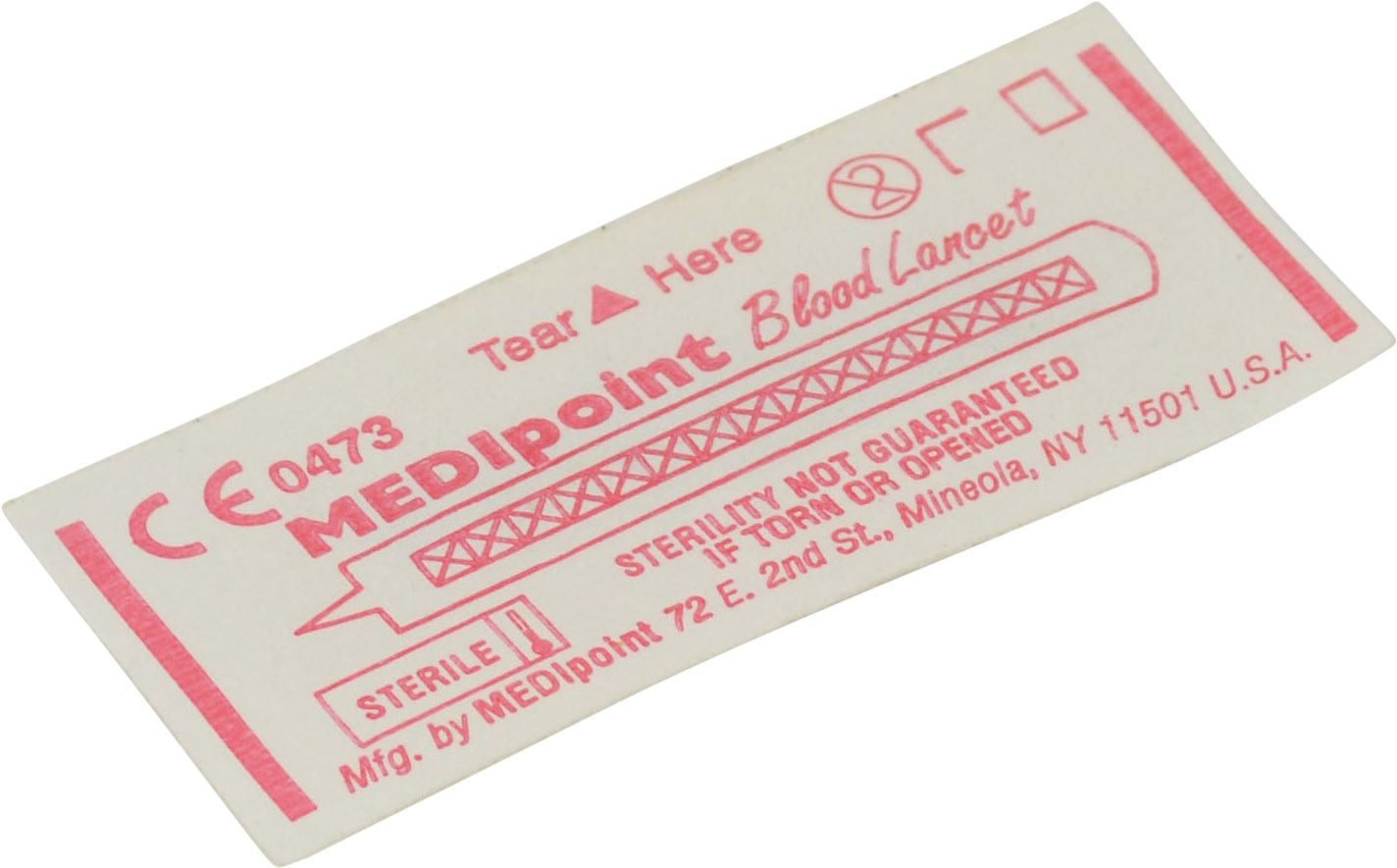
- Sterile single-use lancets — never share lancets between people
- Long-life UHT milk or a sealed muesli bar (slow-release follow-up carb)
- Diabetes action plan — signed by the casualty's GP, listing typical hypo signs and personal triggers
For high-risk workplaces
If your workplace has multiple type 1 diabetic workers, remote first aid responders, or you operate in an extended-response environment, also stock: ketone test strips, glucagon (Baqsimi nasal or injectable — check state regulations), and consider IV dextrose 5% if you have advanced first aid (HLTAID014) trained staff with infusion authority.
Workplace responsibilities under WHS
Notify the workplace first aider
Workers with diabetes should disclose their condition (voluntarily) so a first aider can be prepared. This is private medical information — only the first aid officer or trained colleague needs to know. Some workplaces use a confidential medical conditions register.
Reasonable adjustments
Under the Disability Discrimination Act 1992, employers must make reasonable adjustments for diabetic workers — permitting regular meal breaks, scheduled blood glucose checks, access to glucose in a personal locker, and time off for medical appointments.
Driving and operating machinery
Australian road authorities require diabetic drivers to maintain blood glucose above 5.0 mmol/L before driving. Forklift, crane, and machinery operators should check their levels before each shift. After a hypo, the casualty should NOT operate vehicles or machinery for at least 45 minutes after recovery — even if they feel fine.
Children with diabetes — school first aid
Schools, childcare centres, and after-school programs are legally required to have a written diabetes management plan for every diabetic student. healthdirect.gov.au and Diabetes Australia provide free template plans that parents and the school GP can complete together.
Hypo response in schools
Junior school students with diabetes typically carry a small "hypo kit" in their bag — jellybeans or glucose gel, a glucose meter, and an action plan card. Teachers should know how to recognise hypo signs (sudden behaviour change, pale, sweating) and follow the 15-15 rule. Most schools also keep a centralised hypo response kit in the office.
School excursions and camps
Diabetic students need extra glucose supplies for excursions (sport often triggers hypos), and a teacher trained in glucagon if the parent provides it. Notify the camp organiser at least 4 weeks ahead so they can brief their first aid staff.
Living with diabetes — long-term first aid prep
Wear medical alert identification
A medical alert bracelet or necklace tells bystanders and paramedics that the casualty has diabetes — vital if the person is unconscious. Most Australian diabetes specialists recommend MedicAlert Foundation bracelets, which also store a 24/7 hotline number.
Continuous Glucose Monitoring (CGM)
Modern CGM devices (FreeStyle Libre, Dexcom G7) sit on the upper arm and stream blood glucose to a phone app every minute. They give 15-20 minute warning of hypos before symptoms start — transformative for type 1 management. Family members can subscribe to share-mode alerts.
Regular diabetes check-ups
The National Diabetes Services Scheme (NDSS) recommends quarterly HbA1c blood tests, annual eye exams, foot checks, kidney function tests, and cardiovascular risk assessment. Good long-term control reduces the frequency and severity of emergency episodes.
When to call 000 — the bottom line
Call triple zero immediately if:
- The casualty is unconscious or having a seizure
- The casualty cannot swallow safely
- The casualty has not improved after two rounds of the 15-15 rule
- Blood glucose is over 15.0 mmol/L with vomiting or fruity breath (suspected DKA)
- You don't know whether the casualty has diabetes — treat as hypo and call 000
- The casualty is pregnant, elderly, or has chronic kidney disease
- You have given glucagon — the casualty still needs hospital assessment
While waiting, stay with the casualty, monitor breathing, place them in the recovery position if unconscious, and have someone meet the ambulance at the entrance to guide paramedics in.
Frequently asked questions
What is the Australian first aid treatment for a hypo?
Use the ANZCOR 15-15 rule: 1) Give 15g of fast-acting glucose - 6-7 jellybeans, half a glass of fruit juice, half a can of regular soft drink, 1 tablespoon of honey, or one tube of oral glucose gel (15g). 2) Wait 15 minutes, then recheck blood glucose. 3) If still under 4.0 mmol/L, repeat the 15g dose. 4) Once recovered, give a slow-release carbohydrate (sandwich, fruit, milk) to prevent the hypo returning. Do NOT give chocolate - fat slows glucose absorption.
When should you call 000 for a diabetic emergency?
Call 000 immediately if the casualty: is unconscious or unresponsive, is having a seizure, cannot swallow safely (do NOT give food/drink), has not improved after two rounds of the 15-15 rule, is showing severe confusion or aggression, or you do not know whether they have diabetes. While waiting, place an unconscious casualty in the recovery position. If trained and authorised, administer glucagon by injection (or nasal Baqsimi) if available. Paramedics carry IV dextrose.
What is the difference between hypoglycaemia and hyperglycaemia?
Hypoglycaemia (hypo, low blood sugar) is under 4.0 mmol/L - sudden onset over minutes - sweating, shaking, hunger, confusion, slurred speech, weakness. Treat with fast glucose. Hyperglycaemia (high blood sugar) is over 15.0 mmol/L - gradual onset over hours - thirst, frequent urination, tiredness, blurred vision, fruity breath. Treat by encouraging fluid (water, not soft drink) and contacting their diabetes team. Untreated hyperglycaemia can progress to diabetic ketoacidosis (DKA) - a medical emergency.
Can a workplace first aider give glucagon to a diabetic casualty?
Glucagon administration is restricted in most Australian workplaces - check your state's WHS first aid Code of Practice. Generally, only the casualty's family member, registered nurse, paramedic, or someone with specific glucagon training may inject. Workplace first aiders should focus on the 15-15 rule for conscious casualties and call 000 for unconscious ones. New nasal glucagon (Baqsimi) is easier to administer and may be allowed if your workplace policy includes it - confirm with WHS team first.
How do you test blood glucose in an emergency?
If the casualty has their own glucose meter, use it. Most modern meters need a tiny finger-prick blood drop on a test strip. Use a single-use lancet device on the side of a fingertip (less painful than the pad). Apply pressure with a tissue afterward. Normal fasting range 4.0-7.0 mmol/L; post-meal 5.0-10.0. If under 4.0 - treat as hypo. If over 15.0 with symptoms - call diabetes team. Do NOT share lancets between people - infection risk.
Read next: An unconscious diabetic emergency moves to the DRSABCD action plan — start with Danger, Response and Send for help before considering glucose.
Diabetic First Aid Essentials
Glucose monitors, oral glucose gel, lancets, and clinical IV dextrose — everything a workplace or family carer needs to manage diabetic emergencies safely.
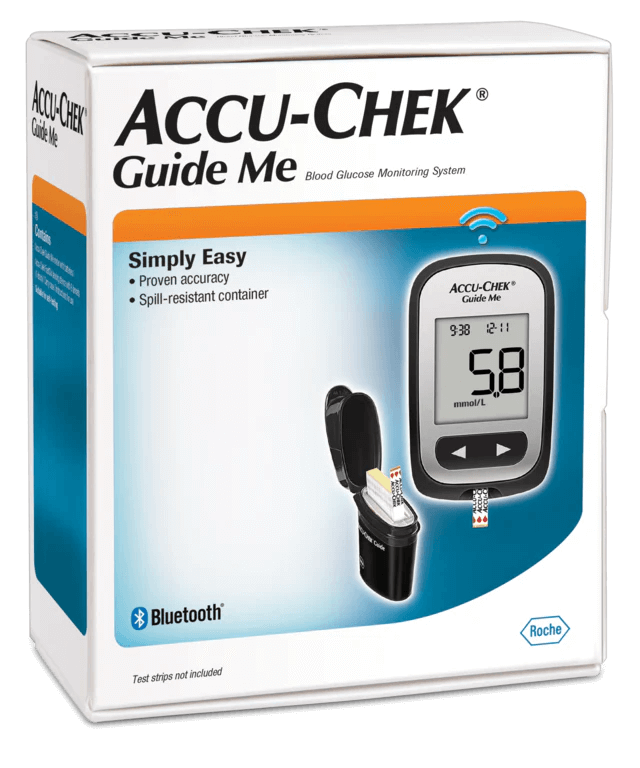
Accu-Chek Guide Me Blood Glucose Monitor
Easy-grip BG meter with strip-port light and large display.
Shop Now
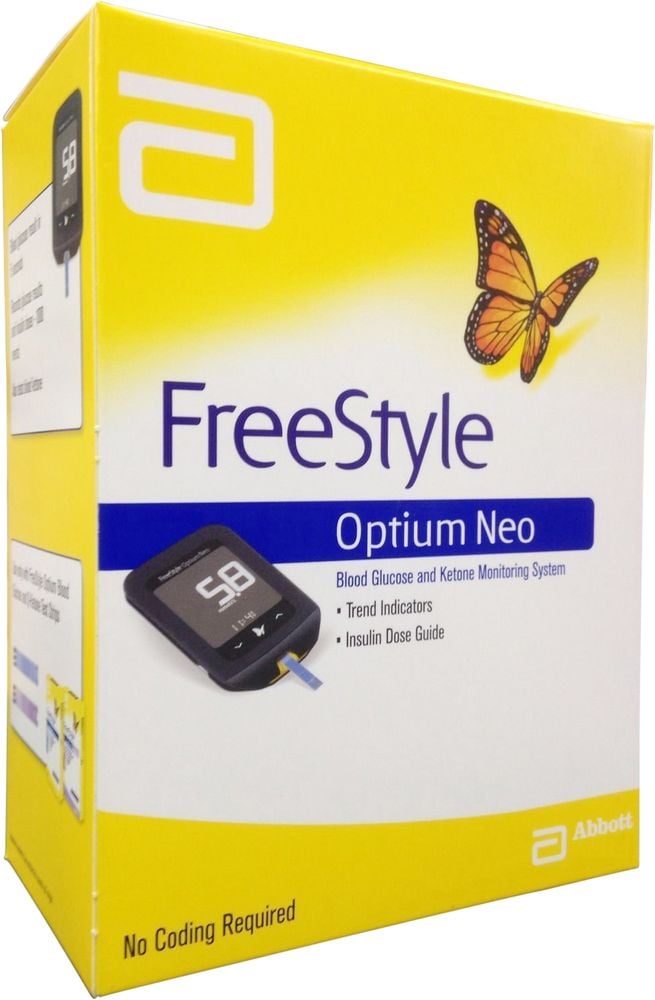
Abbott Freestyle Optium Neo Meter Kit
Dual glucose & ketone meter for type 1 and gestational diabetes.
Shop Now
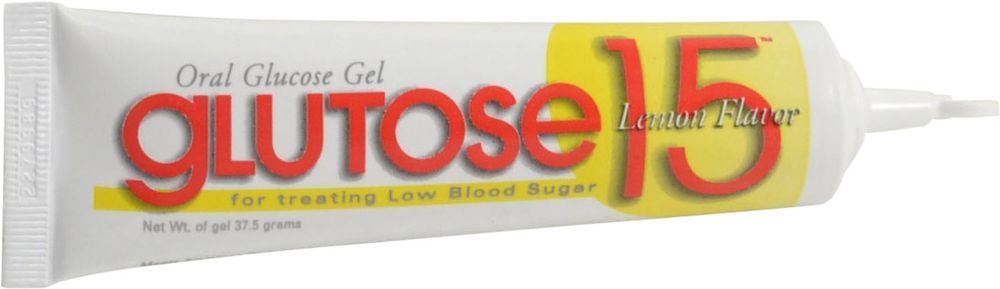
Glucose Gel Tubes Oral 15g Lemon
15g fast-acting glucose gel for the ANZCOR 15-15 hypo rule.
Shop Now
Sources: healthdirect.gov.au — Diabetes, Heart Foundation Australia, Australian and New Zealand Committee on Resuscitation (ANZCOR), healthdirect.gov.au — First aid.