


Written by the MediBC First Aid Team · Checked against healthdirect Australia and Better Health Channel blister guidance · Updated September 2026.
This is general first aid information, not medical advice. People with diabetes or circulation problems should see a doctor about foot blisters rather than treating them at home. For advice any time, call healthdirect on 1800 022 222.
A blister is a small bubble of fluid under the top layer of skin. Most are friction blisters: new shoes rubbing a heel, a long hike, a day on a shovel without gloves, or a new sport. The fluid cushions the damaged skin underneath while it heals, and the skin over the top, called the roof, acts as a natural protective dressing. Knowing how to treat blisters mostly comes down to protecting that roof, keeping the area clean and removing whatever caused the rubbing.
Quick answer: how to treat blisters
If you can, leave the blister intact and protect it with a padded or cushioned dressing so it does not rub. A minor blister should heal in a week or two. If a large, painful blister has to be drained, clean it, pierce the edge with a sterile needle, let the fluid drain, leave the roof in place and cover it with a non-stick dressing. See a doctor if it looks infected, or if you have diabetes or poor circulation.
How to treat blisters that have not burst
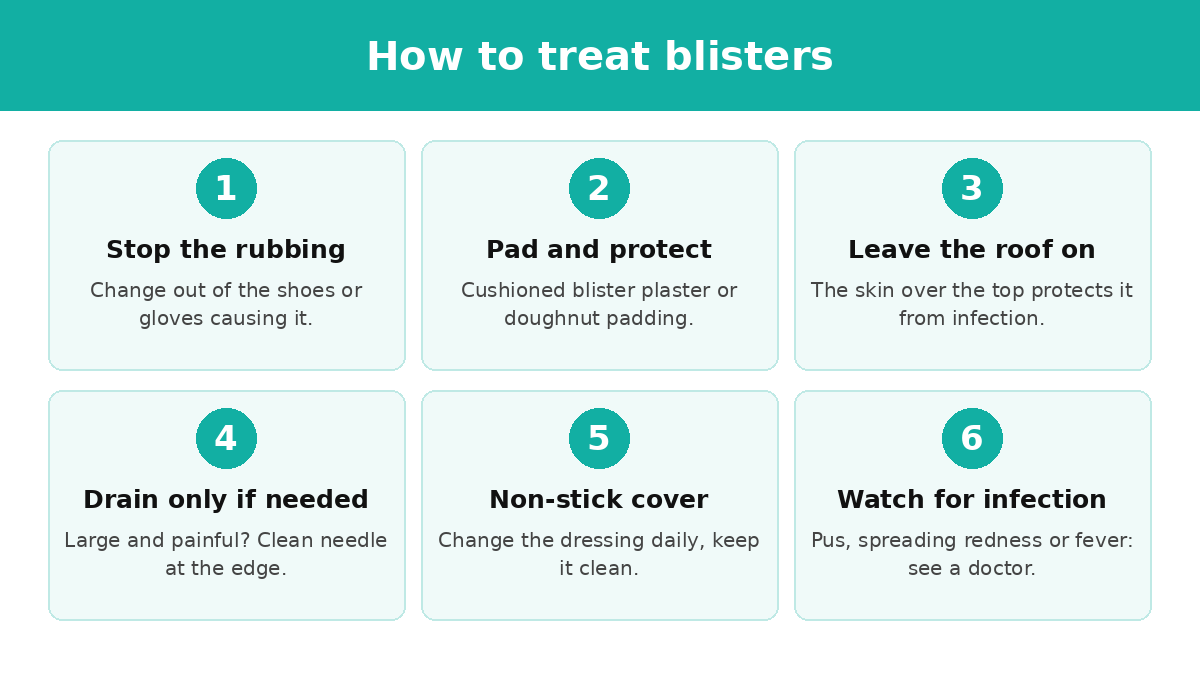
Unbroken blisters heal best when left alone. The steps below follow healthdirect and Better Health Channel advice:
- Stop the rubbing. Change out of the shoes, gloves or clothing causing the pressure if you can.
- Protect it. Cover the blister with a cushioned blister plaster, or cut a padded dressing into a doughnut shape, place the hole over the blister and cover both with a loose bandage.
- Keep it clean and dry, and change the dressing daily or if it gets wet or dirty.
- Let it heal. The body gradually reabsorbs the fluid as the skin underneath recovers, which takes around a week for a typical friction blister.
Avoid: home remedies such as butter, vinegar or green tea, which do not work; peeling off the blister roof; and using tape on its own directly over a blister, because pulling the tape off can rip the roof away.
Should you pop a blister?
"Should you pop blisters" and "should you burst blisters" are two of the most common blister questions in Australia, and the short answer is: not if you can avoid it. Bursting a blister opens a path for infection and can slow healing. The blister roof is doing a job, so resist the temptation to pick at it.
There is one exception. If a blister is large, painful and likely to burst anyway, for example on the sole of the foot where you have to keep walking, draining it carefully can be more comfortable. healthdirect suggests checking with a pharmacist first.
How to drain a blister safely
If you decide to drain a large, painful blister, do it cleanly:
- Wash your hands and the blister thoroughly with soap and water.
- Use a sterile single-use needle or lancet if you have one; otherwise clean a needle thoroughly with rubbing alcohol, such as an alcohol swab, as healthdirect suggests.
- Pierce the edge of the blister, not the middle, and let the fluid drain out slowly.
- Leave the roof in place so it collapses down onto the skin as a natural dressing. Do not cut it away.
- Cover it with a clean non-adhesive dressing or a plaster.
- Change the dressing daily and watch for signs of infection. If it refills over the next day or so, you can repeat the process, or ask a pharmacist for advice.
Do not drain a blister caused by a burn, scald or severe sunburn, a blister on the mouth, eye or genitals, or blisters that appeared without an obvious cause. These should be seen by a doctor.
How to treat blisters that have burst
If a blister has already broken, wash it gently and leave the loose flap of skin in place rather than peeling it off. Apply antiseptic if you like, then cover it with a plaster or dressing. A blister that has lost its roof completely leaves raw skin exposed: a special cushioned blister plaster can protect it, and a pharmacist can advise on which suits the spot. Keep the area clean and change the dressing daily until new skin has formed.
Can you heal blisters on your feet overnight?
Not completely. A minor blister usually takes a week or two to heal, and the rules for how to treat blisters are the same at night. What you can do overnight is take the pressure off: leave shoes off, keep the blister clean and protected, and give the skin a break from friction. If you have to walk the next day, a cushioned blister plaster protects the spot from rubbing while it heals.
Blood blisters and fever blisters
Blood blisters form when a pinch or hard knock damages small blood vessels under the skin, so the blister fills with blood instead of clear fluid. Protect it and leave it intact: do not drain a blood blister yourself. See a doctor if it is large, very painful, keeps coming back or appeared without a clear injury.
Fever blisters are something different. They are cold sores, caused by a virus, and usually appear on or around the lips. They are not a first aid injury and should not be drained. Ask your pharmacist about treatment.
When to see a doctor about a blister
For a burn or scald that has blistered, first cool it under cool running water for 20 minutes, then get it checked. See your GP if:
- the blister looks infected: it contains pus, or the area becomes increasingly red, swollen, warm or painful
- the blister was caused by a burn, scald or severe sunburn (see how to treat sunburn and burns first aid)
- you have diabetes or circulation problems
- you have blisters on the mouth, eye or genitals
- several blisters appear without an obvious cause, which may mean an infection or another condition
Get medical care the same day if redness is spreading quickly, red streaks run from the blister, or you have a fever or feel unwell. Widespread blistering, peeling skin, or blisters with fever or involving the mouth or eyes need urgent care.
How to stop shoes from giving you blisters
"How to stop shoes from blistering" is searched far more often in Australia than how to treat blisters, and prevention really is easier than cure:
- Wear shoes that fit well and do not rub.
- Choose moisture-wicking or sports socks, and change damp or sweaty socks promptly, because wet socks drag against the skin.
- Cover friction hot spots before they blister, using hypoallergenic adhesive tape or an anti-friction balm. If you feel a hot spot during sport or a hike, stop and tape it straight away.
- Wear heavy-duty gloves when digging, gardening or using tools such as shovels and picks.
Hikers and runners should see our guides to first aid kit essentials for day hikes and sports tape and strapping.
What to keep in your blister kit
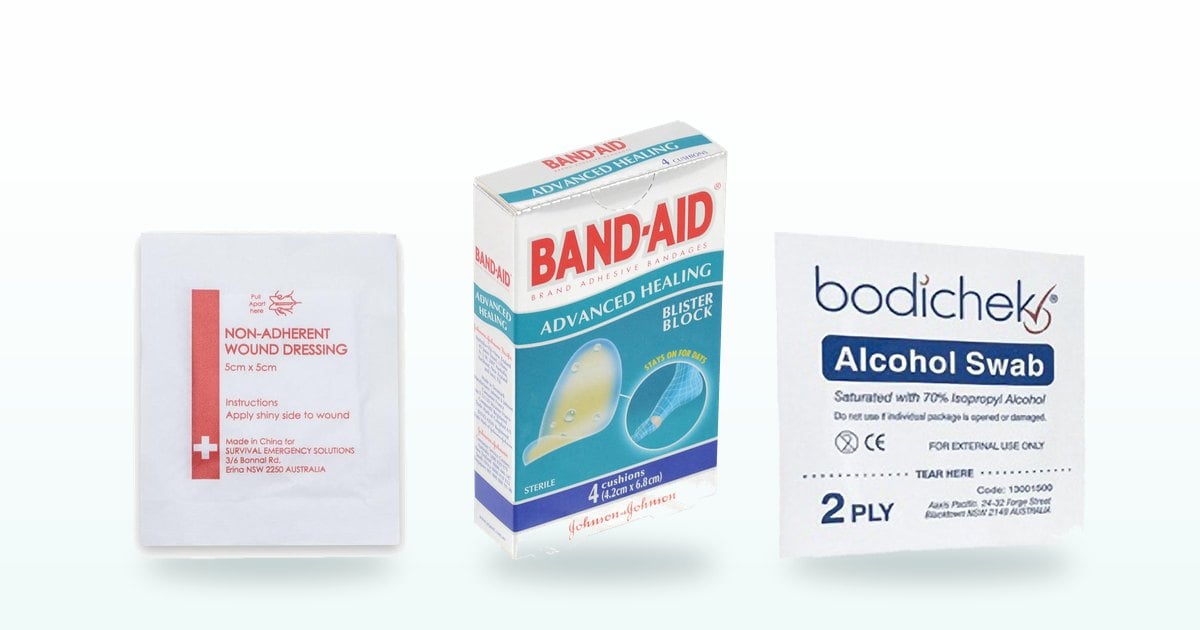
A small blister kit in your hiking pack, sports bag or workplace first aid kit makes it easy to treat blisters early, before a hot spot turns into an open wound. Browse our plasters and fabric dressings and sport tapes and strapping.
Blister care essentials
Everything this guide recommends to protect, drain and cover a blister.
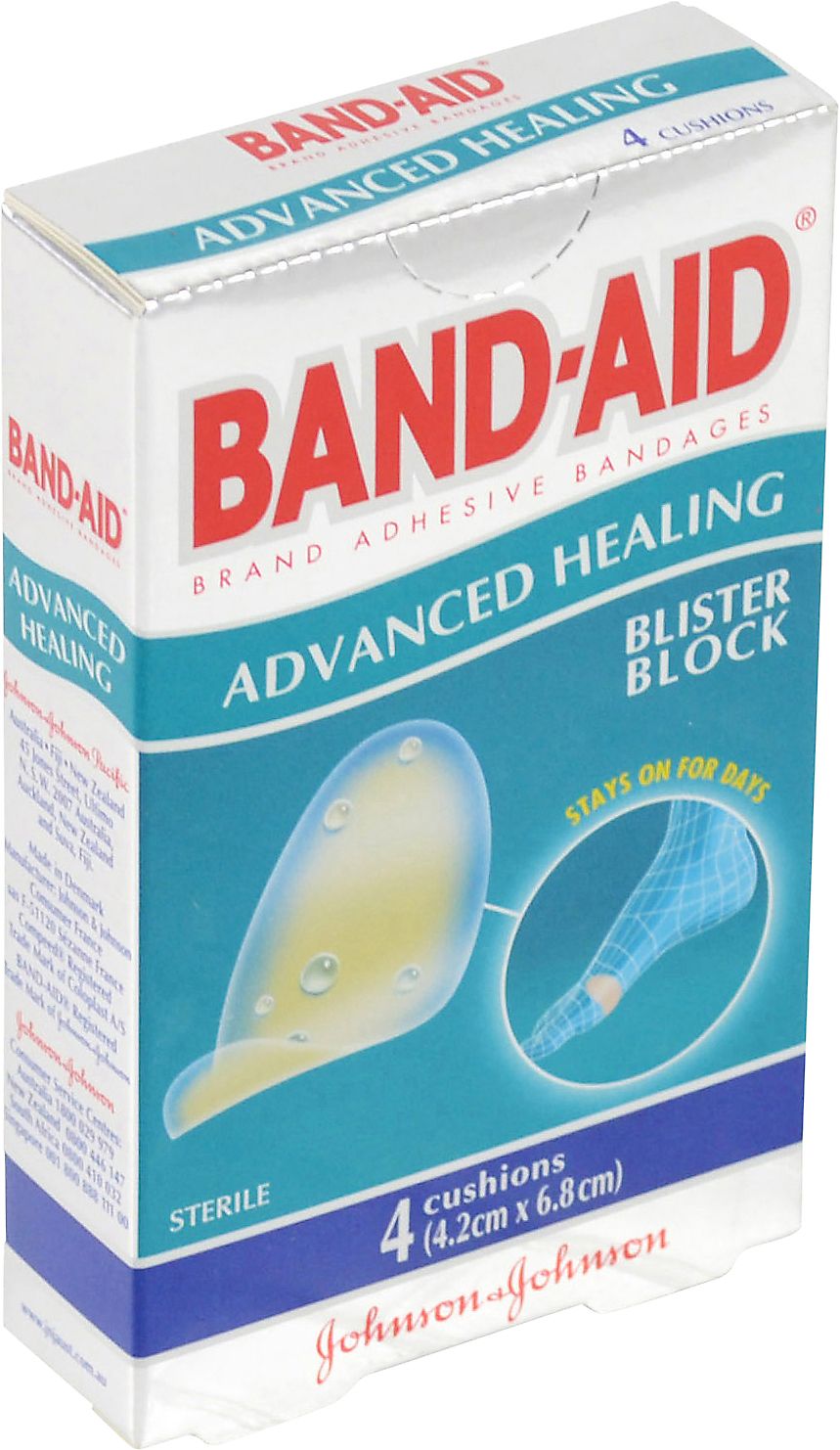
Band-Aid Blister Block Advanced Healing (4)
Cushioning gel plaster that relieves friction pain, even on open blisters.
Shop Now
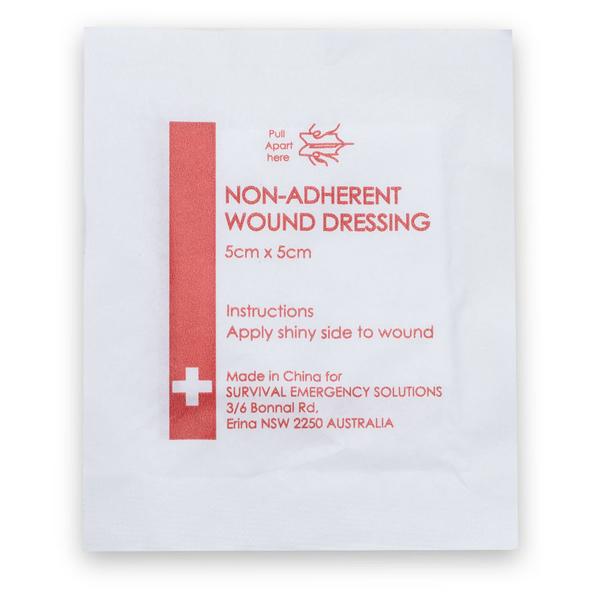
Non-Adherent Wound Dressing 5 x 5cm
Sterile, non-stick pad to cover a drained or burst blister.
Shop Now
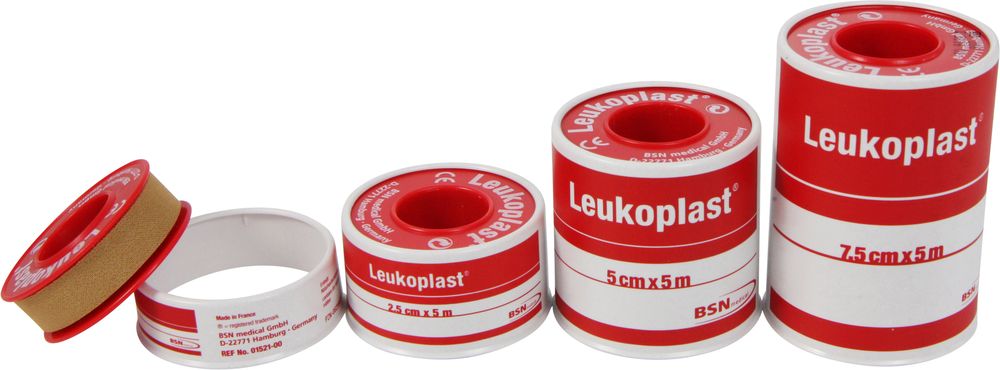
Leukoplast Zinc Oxide Tape
Strong strapping tape to protect friction hot spots before they blister.
Shop Now
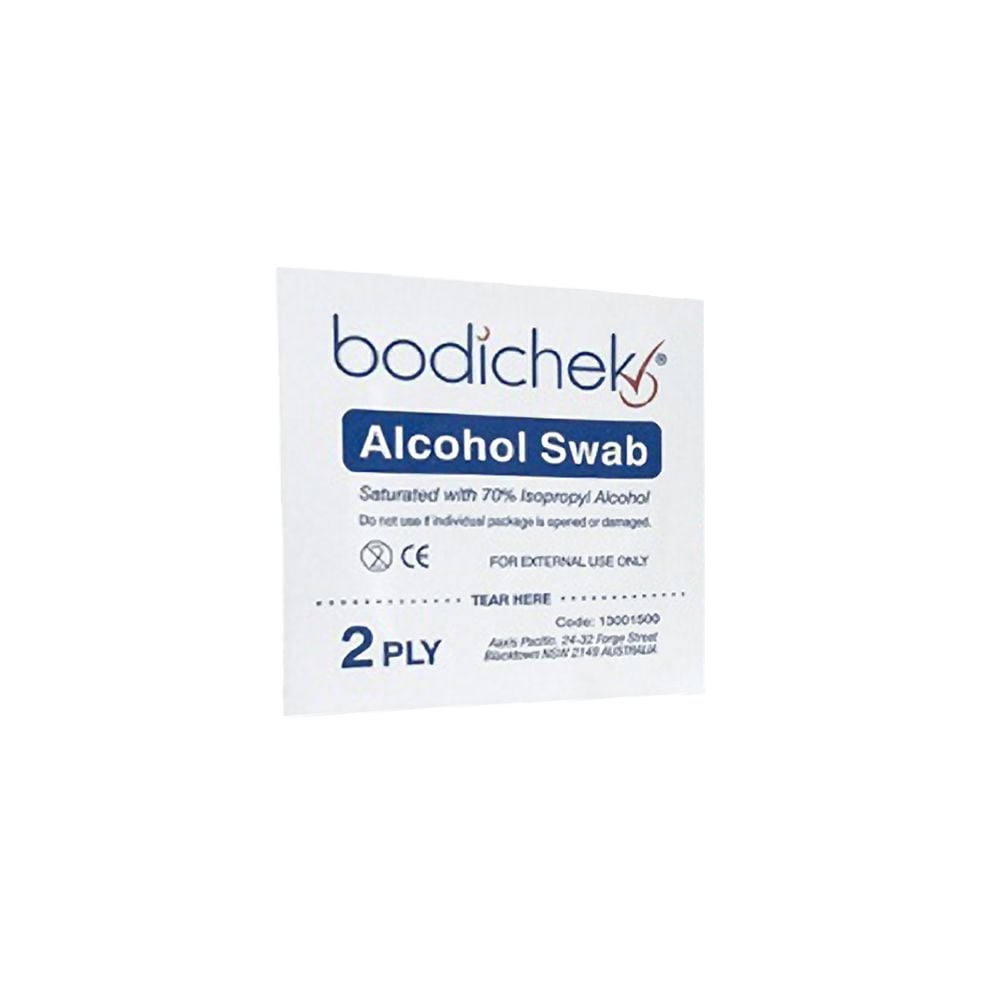
Alcohol Swabs 70% Isopropyl (Singles)
Individually wrapped swabs for cleaning a needle and skin before draining.
Shop Now
Blister FAQs
Should you pop a blister?
Not if you can avoid it. The skin over a blister protects it from infection. If a blister is large and painful, drain it carefully at the edge with a sterilised needle and leave the roof in place, or ask a pharmacist first.
How do you get rid of blisters fast?
Take the pressure off, keep the blister clean and protect it with a cushioned plaster. Most friction blisters heal in about a week or two. There is no safe way to make one disappear overnight.
Should you cover a blister or let it breathe?
Cover it. A loose, padded or cushioned dressing protects the blister from rubbing and dirt. Change the dressing daily or whenever it gets wet or dirty.
Is it OK to put tape on a blister?
Do not use tape on its own directly over a blister, as removing it can tear off the roof. Put a dressing or blister plaster over the blister first. Tape is useful on unbroken hot spots before a blister forms.
What does an infected blister look like?
An infected blister may contain yellow or green pus, and the surrounding skin becomes increasingly red, swollen, warm and painful. See a doctor, as it may need antibiotics.
How do you stop shoes giving you blisters?
Wear well-fitted shoes that do not rub, wear moisture-wicking socks and change damp ones promptly, and tape friction hot spots as soon as you feel them.
Related first aid guides
Keep reading: how to treat sunburn, first aid kit essentials for day hikes, sports tape and strapping techniques and how to get a splinter out.