


Written by the MediBC First Aid Team · Checked against healthdirect Australia and Better Health Channel sunburn guidance · Updated September 2026.
This is general first aid information, not medical advice. If someone with sunburn is confused, has a seizure or collapses, they may have heatstroke: call 000. For advice day or night, call healthdirect on 1800 022 222.
Sunburn is skin damage from too much ultraviolet (UV) radiation. It can start in as little as 10 minutes on fair skin, and in Australia UV can be strong enough to burn even on a cool or cloudy day. The honest answer to how to treat sunburn is that nothing reverses the damage once it is done. Good first aid eases the pain, prevents dehydration and protects blisters while the skin heals.
Quick answer: how to treat sunburn
Get out of the sun, cool the skin with a cool damp cloth or a cool shower, drink plenty of water, apply a gentle moisturiser, and take over-the-counter pain relief if needed. Leave blisters intact and cover them loosely. See a doctor for large areas of blistering, severe pain, fever or signs of dehydration.
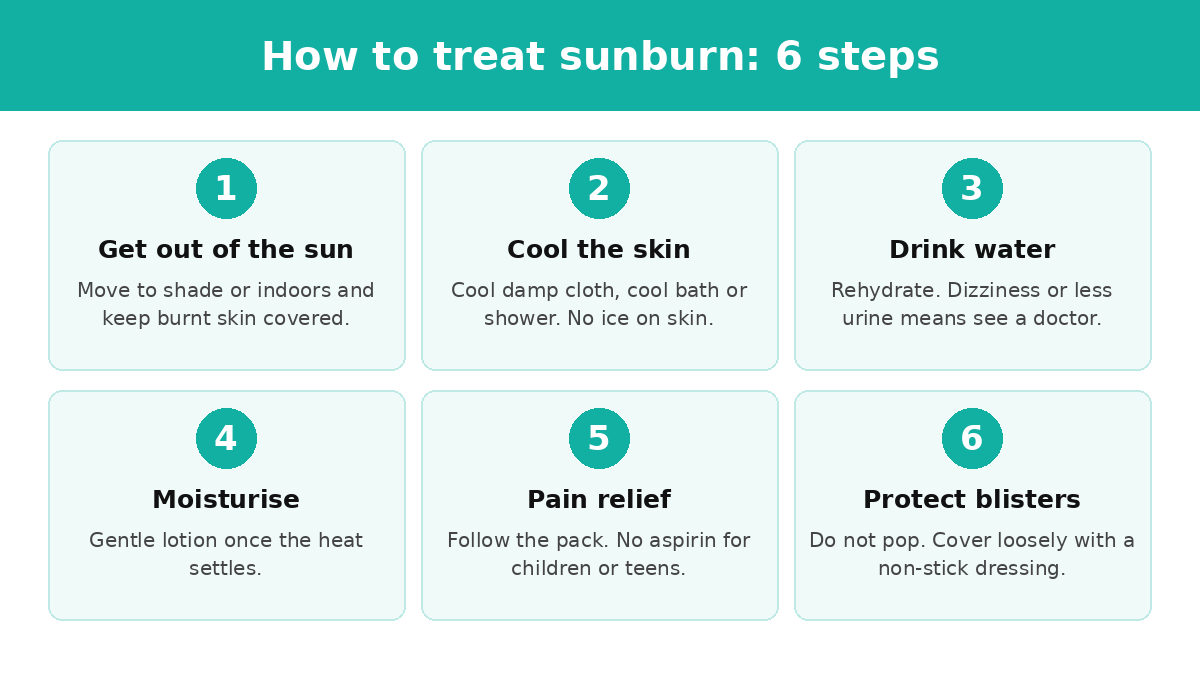
How to treat sunburn at home, step by step
Most mild to moderate sunburn can be managed at home. Here is how to treat sunburn in the first few hours, starting as soon as you notice the redness.
- Get out of the sun and stay out. Move into shade or indoors, and keep the burnt skin covered until it has fully healed. More UV on burnt skin deepens the damage.
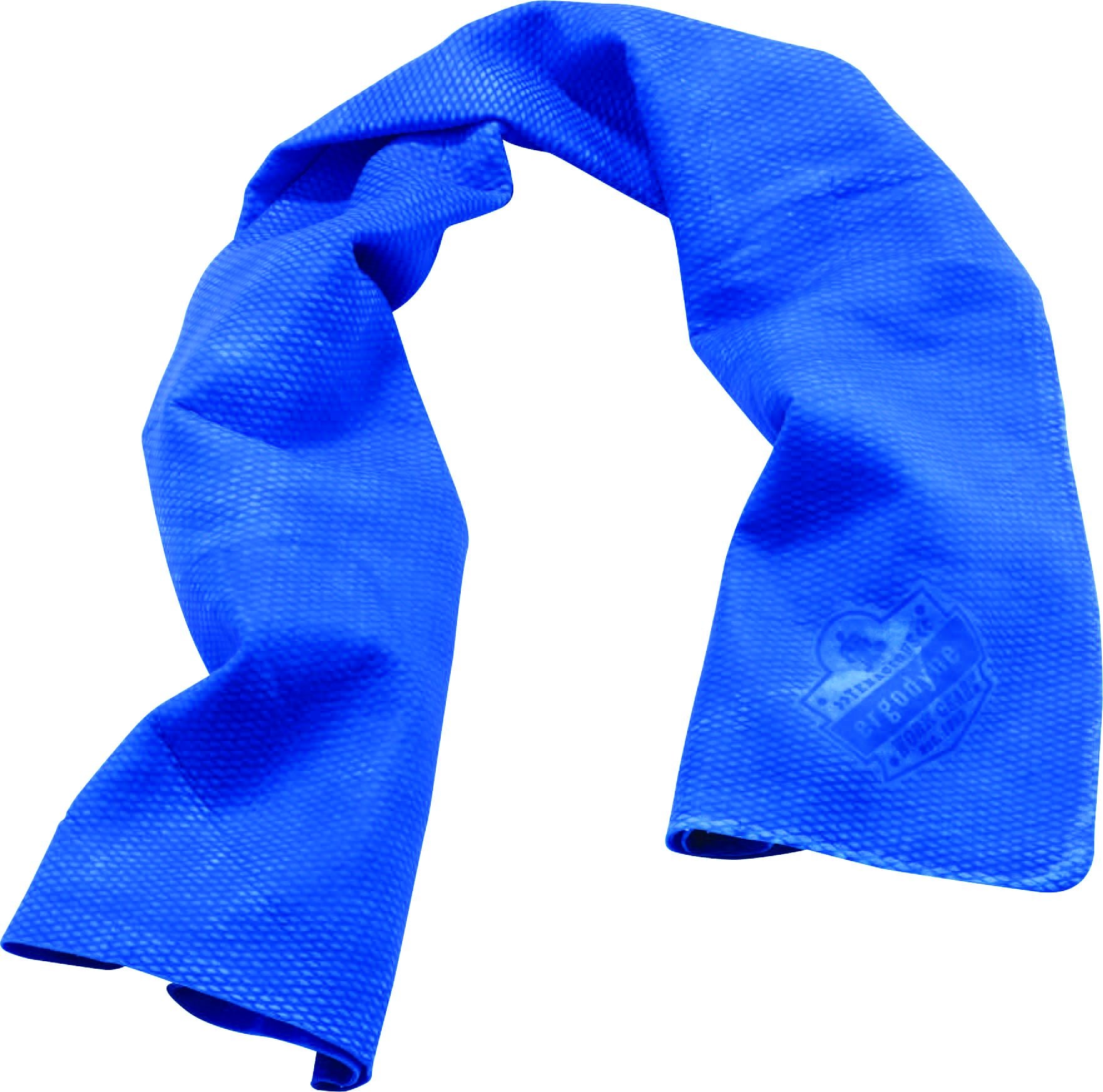
- Cool the skin gently. Place a cool, damp towel on the burn, bathe the area in cool water or take a cool shower. Use cool rather than icy water, and never put ice straight on the skin.
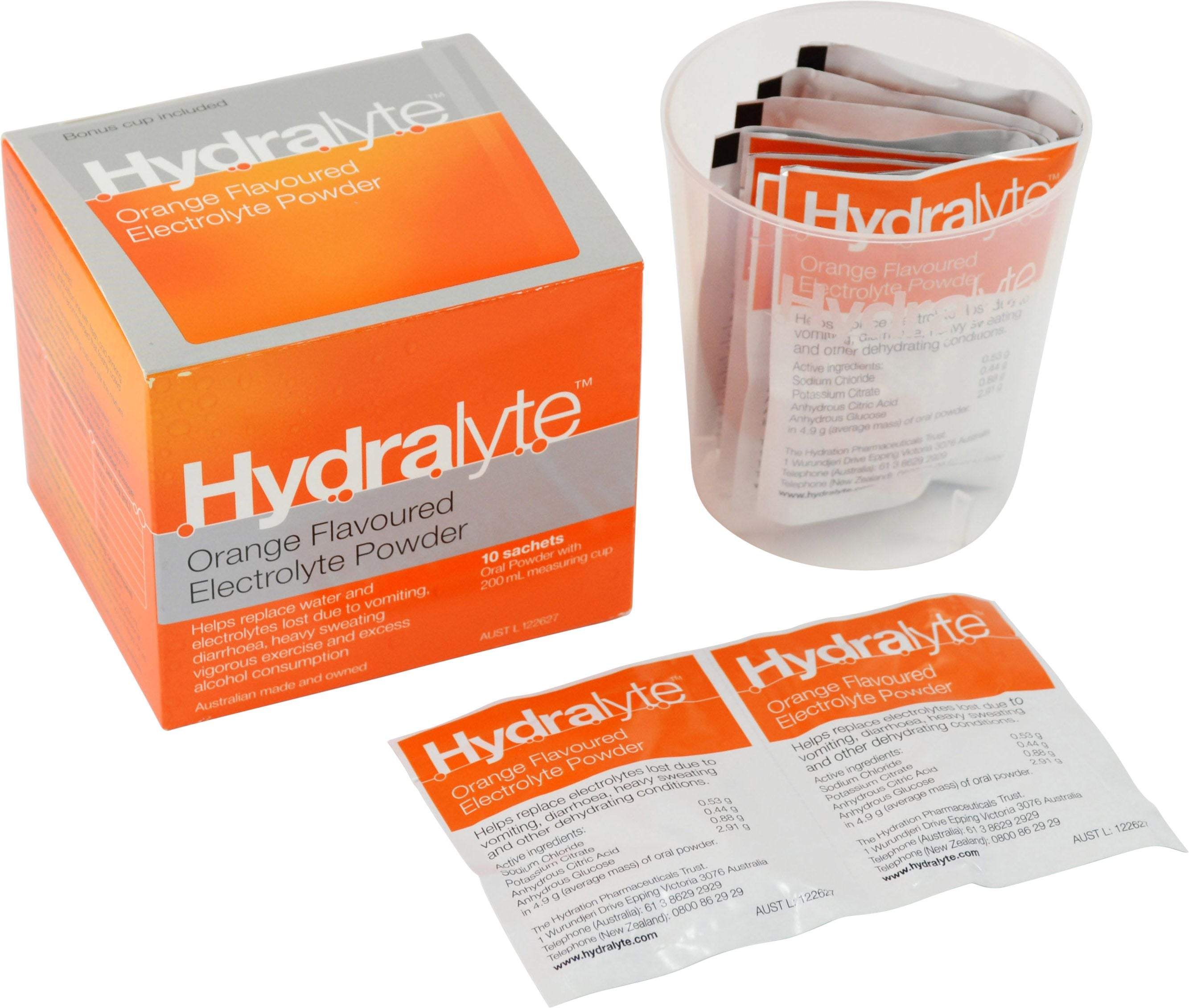
- Drink plenty of water. Time in the sun dehydrates you as well as burning you. Keep sipping water. Dizziness, tiredness or passing less urine are signs of dehydration: see a doctor if they appear.
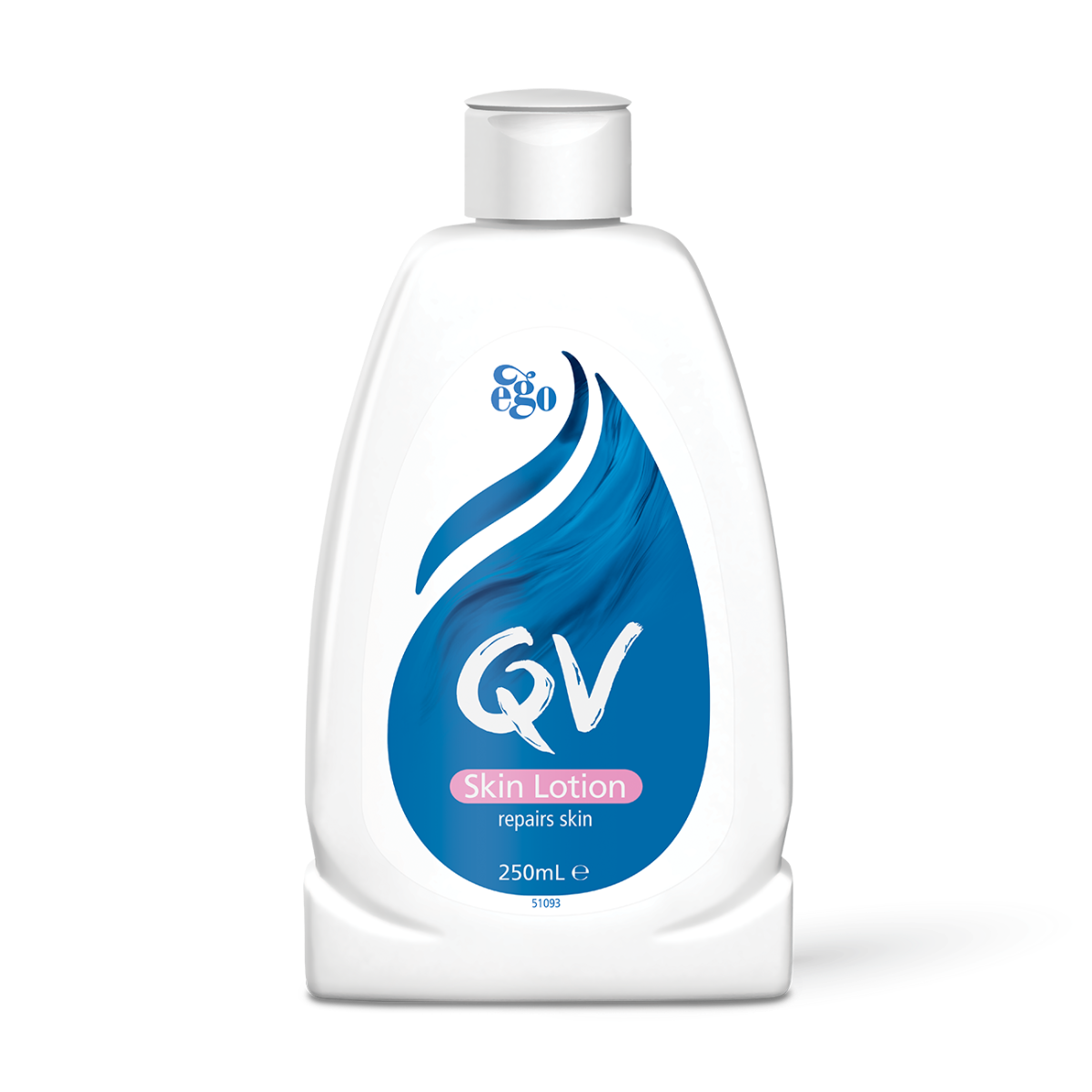
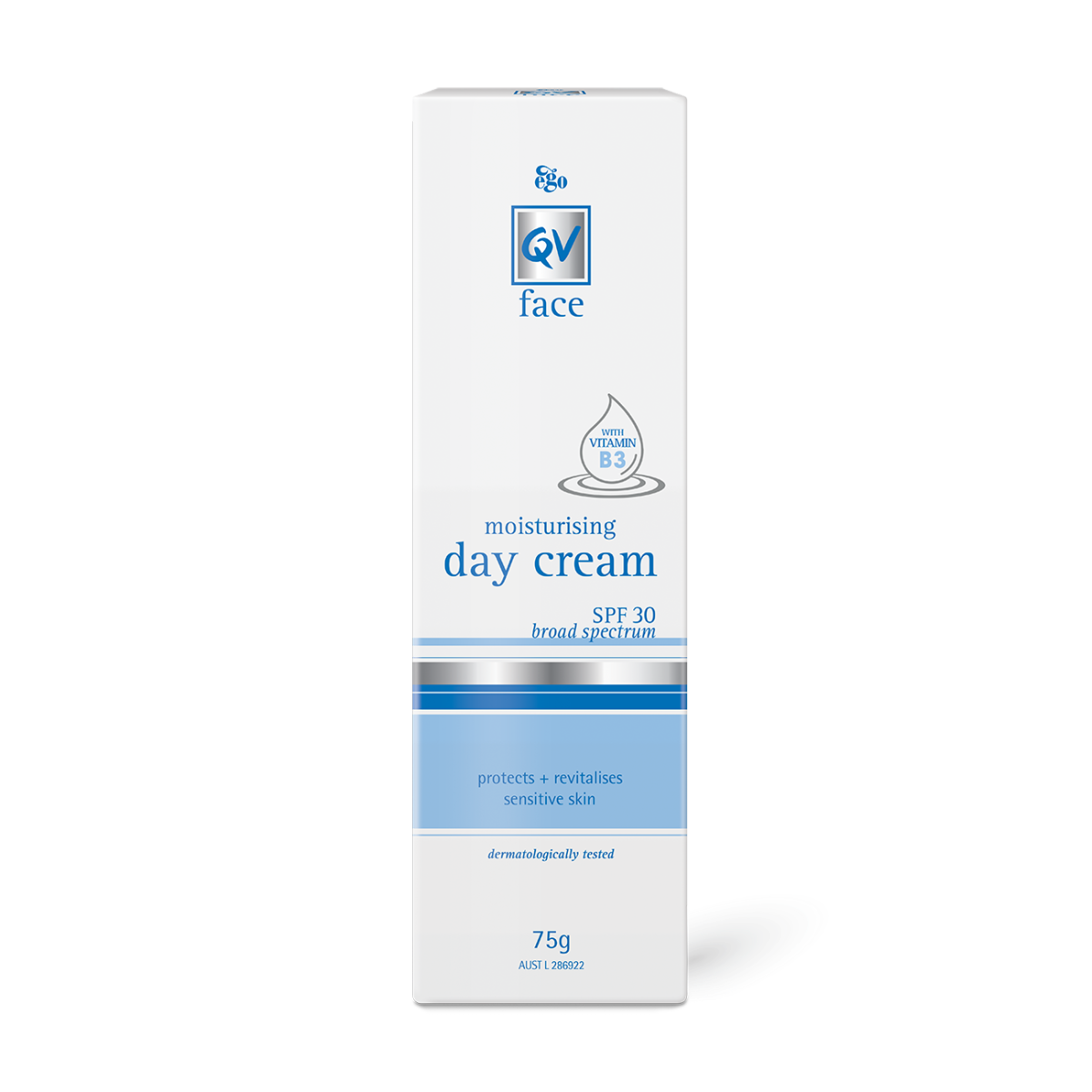
- Moisturise once the skin is not too painful. A gentle moisturising lotion or cream helps the skin underneath stay hydrated as it heals. It will not stop peeling, but it can make the skin feel less tight.
- Use pain relief if you need it. Over-the-counter pain relief can ease pain and swelling: paracetamol helps with pain, and anti-inflammatory medicines can also help with swelling but are not suitable for everyone. Follow the pack directions and ask your pharmacist which suits you. Do not give aspirin to children or teenagers unless a doctor advises it.
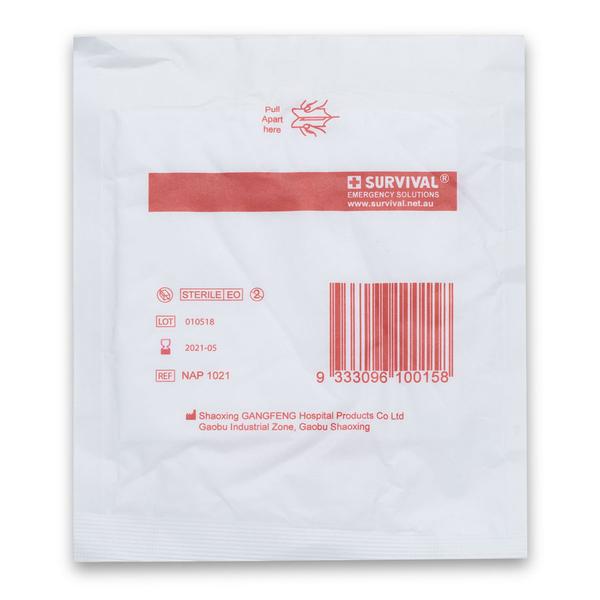
- Protect any blisters. Do not pop them. If a blister is likely to rub or burst, cover it with a sterile non-adherent dressing to reduce the risk of infection.
Skip soap on burnt skin for a few days, because it can irritate it further.
What not to put on sunburn
Avoid: butter and other kitchen remedies, soap on the burnt area, ice applied directly to the skin, picking at peeling skin, and popping blisters. Ask a pharmacist before using numbing creams or sprays on sunburnt skin.
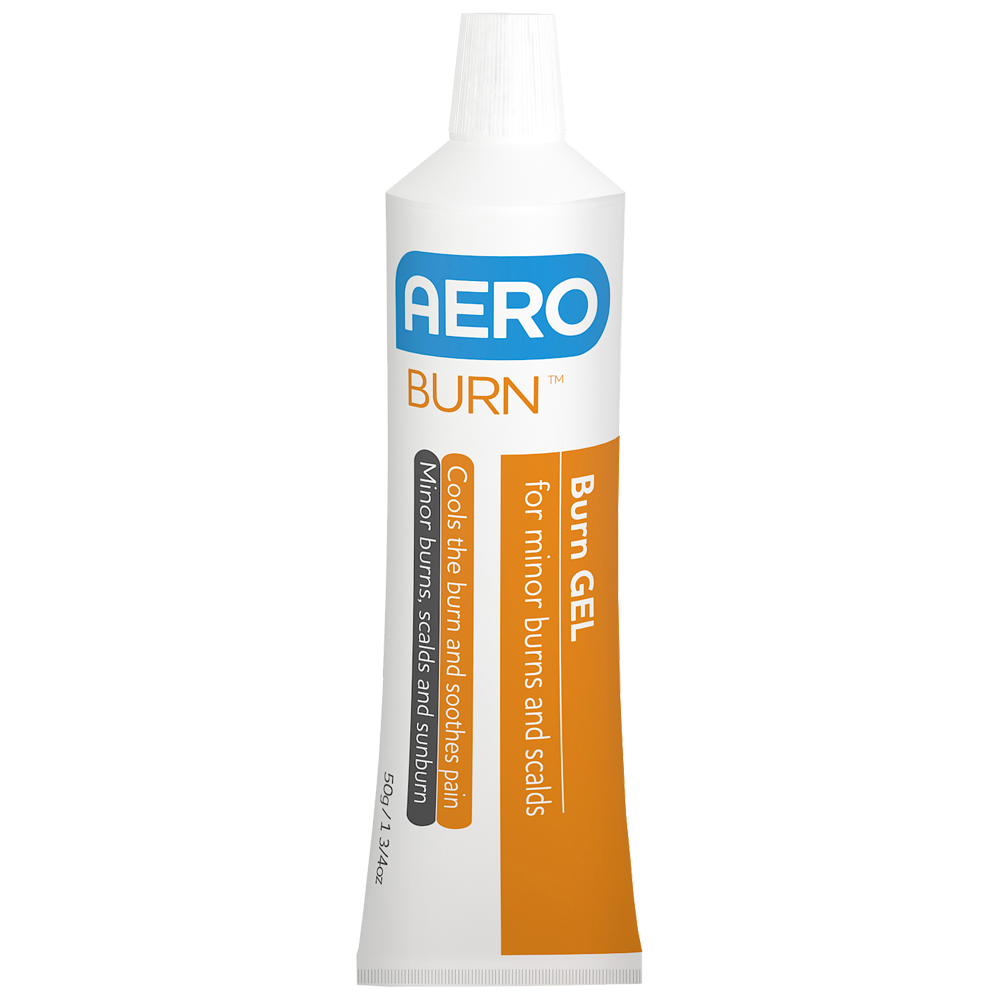
What about aloe vera? Many people find aloe vera gel soothing, but healthdirect notes that it does not speed up healing and can sometimes irritate the skin. The core treatment is simple: cool water, fluids and a plain moisturiser. A water-based hydrogel burn gel is an optional extra that some people find comforting on hot, tender skin, but it does not make sunburn heal faster.
How long does sunburn last?
Mild sunburn usually settles over several days, often followed by peeling as the damaged outer layer sheds. Severe or blistered sunburn can take weeks to heal and needs medical attention. Peeling is part of normal healing: no cream will stop it, so let the dead skin come away on its own rather than pulling it.
| What you notice | What it usually means | What to do |
|---|---|---|
| Red, warm, tender skin | Mild sunburn | Cool, hydrate, moisturise, stay out of the sun |
| Small blisters, marked pain | More significant burn | Leave blisters intact, cover loosely, watch for infection |
| Large areas of blistering, severe pain, fever | Severe sunburn | See a doctor or go to an emergency department |
| Confusion, seizures or collapse | Possible heatstroke | Call 000 immediately |
Can you get rid of sunburn redness overnight?
It is one of the most common sunburn questions in Australia, so here is the honest answer: no treatment undoes UV damage overnight. The redness is inflammation from damaged skin cells and it fades as the skin repairs itself. The fastest route to feeling better is the same routine above, done early and consistently: cool the skin, rehydrate, moisturise and keep it out of the sun.
Sunburn blisters: what to do
Blisters mean the burn has gone deeper than the surface layer. The blister roof protects the raw skin underneath, so leave it alone. If blisters are itchy or in a spot that rubs, cover them with a sterile, non-stick dressing and change it daily. If a blister breaks, wash it gently, leave the loose skin in place and cover it. Large areas of blistering after sunburn need a doctor, and hospital care may be needed. For general blister care, see our guide on how to treat blisters.
When to see a doctor about sunburn
See your doctor if you notice:
- large areas of blistering, or sunburn over a large area of skin
- signs of infection, such as fever, increasing pain, pus or yellow crusts
- severe pain that pain relief does not control
- signs of dehydration, such as dizziness, tiredness or passing less urine
- feeling unwell after time in the sun, such as nausea, vomiting, headache, chills or fainting
For widespread blistering, get medical advice the same day rather than waiting to see how it goes.
Call 000 if someone shows signs of heatstroke, such as confusion, seizures or loss of consciousness. Heatstroke is a medical emergency. Our guide to heat exhaustion and heat stroke first aid explains what to do while you wait. Also talk to your GP about any new or changing spots, freckles or scaly patches in the months after a bad burn.
Sunburn in babies and children
The steps for how to treat sunburn are the same for children, but babies and children burn more easily than adults. Keep babies under 12 months out of direct sun whenever the UV index is 3 or higher, using shade, a broad-brimmed hat and loose clothing that covers the skin. Widespread sunscreen is not recommended for babies under 6 months. If a baby or young child gets sunburnt, or seems unwell, drowsy or is not drinking after time in the sun, ask your GP or call healthdirect on 1800 022 222 for advice.
How to prevent sunburn next time
Learning how to treat sunburn is useful, but preventing the next one matters far more, because repeated burns raise the risk of skin damage and skin cancer later in life. Use sun protection whenever the UV index is 3 or above, and follow the five steps:
- Slip on sun-protective clothing that covers as much skin as possible.
- Slop on broad-spectrum, water-resistant sunscreen of SPF30 or higher, ideally SPF50+. Apply it 20 minutes before going outdoors and reapply every 2 hours, and after swimming or sweating.
- Slap on a hat that shades your face, head, neck and ears.
- Seek shade.
- Slide on sunglasses that meet Australian Standards.
Our guide on protecting yourself against the sun this summer covers sun-safe habits in more detail.
What to keep in your after-sun first aid kit
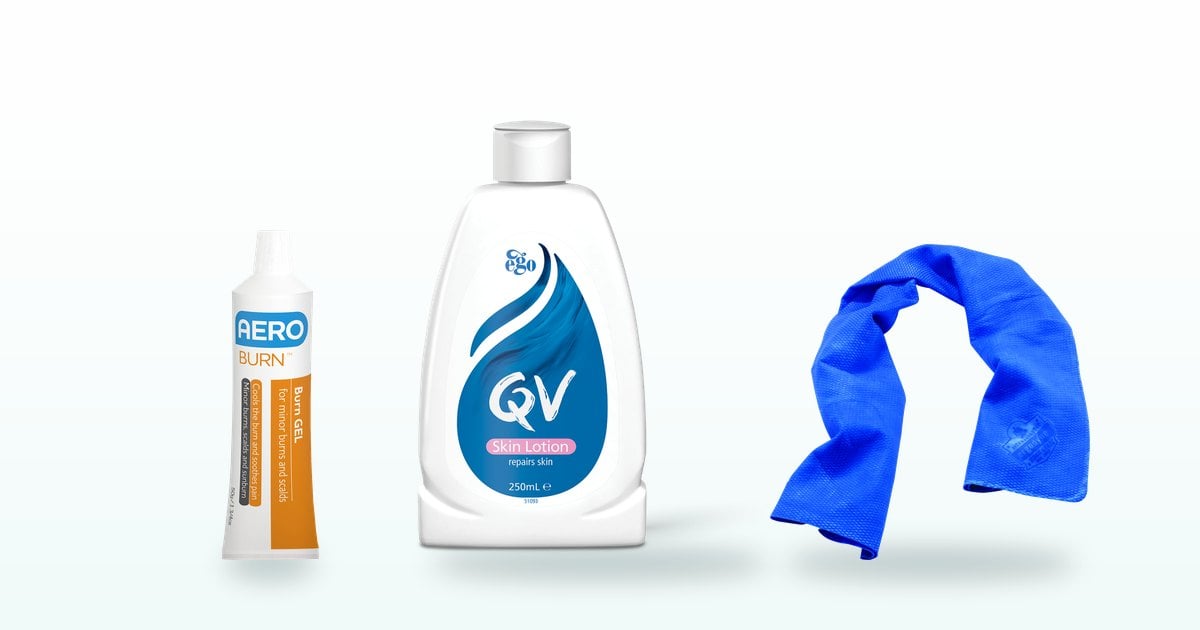
A few inexpensive items let you start first aid straight away, at home, at the beach or on a worksite. The products below match the steps in this guide, including an optional hydrogel burn gel for comfort. You can browse the full range of burn treatments and sunscreens.
After-sun first aid essentials
The same items recommended in the steps above: cool, hydrate, moisturise and protect.
Sunburn FAQs
How do you treat sunburn fast?
Get out of the sun, cool the skin with a cool damp cloth or cool shower, drink water, then apply a gentle moisturiser. Over-the-counter pain relief can ease pain and swelling. This will not erase the burn, but starting early gives the fastest relief.
How long does sunburn last?
Mild sunburn usually settles over several days, often with peeling as it heals. Severe or blistered sunburn can take weeks and needs medical attention.
Should you pop sunburn blisters?
No. The blister roof protects the skin underneath from infection. Cover blisters loosely with a sterile non-stick dressing and see a doctor if there are large areas of blistering.
Does aloe vera help sunburn?
Aloe vera can feel soothing, but healthdirect notes it does not speed up healing and may irritate some skin. Patch test first, or use a plain moisturiser or a hydrogel burn gel instead.
Can you get sunburnt on a cloudy day?
Yes. UV radiation passes through light cloud and is not something you can see or feel, so you can burn on a cool, overcast day. Check the UV index and use sun protection when it is 3 or higher.
When is sunburn an emergency?
Call 000 if someone with sunburn becomes confused, has a seizure or loses consciousness, as these can be signs of heatstroke. See a doctor for severe pain, fever, large blisters or signs of dehydration.
Related first aid guides
Keep reading: burns first aid for the workplace, kitchen and outdoors, heat exhaustion and heat stroke, how to treat blisters and our first aid kit contents checklist.