

Reviewed by the Medibc First Aid Team — last updated May 2026.
Australian Bureau of Statistics data shows that nine in ten Australian households keep a thermometer at home, yet the range of types - digital, infrared, tympanic, stick-on - confuses most buyers. The Australian Government healthdirect service reminds parents that an accurate temperature reading is the single most important piece of information when deciding whether to take a child to a doctor. The wrong thermometer for the age group can give a misleading reading and delay treatment, so it pays to pick the right one.
Why thermometer choice matters
Accuracy varies by type and age
The Royal Children's Hospital Melbourne emphasises that the most accurate body-temperature measurement depends on age. In babies under 3 months, axillary (armpit) digital thermometers are the recommended at-home tool, with rectal reserved for clinical settings. In children over 3 months and adults, tympanic, infrared forehead and oral digital all give clinically reliable readings.
Hygiene and infection control
In households and clinics, a thermometer is shared. Choosing one that allows easy cleaning - either an alcohol-wipeable surface or a disposable probe cover - is essential. Tympanic thermometers must use a fresh probe cover for each user.
Speed during fever spikes
A toddler with a fever rarely sits still for a 3-minute armpit reading. Infrared forehead and tympanic thermometers deliver readings in 1-3 seconds, making them practical for restless children and shift-tired carers.
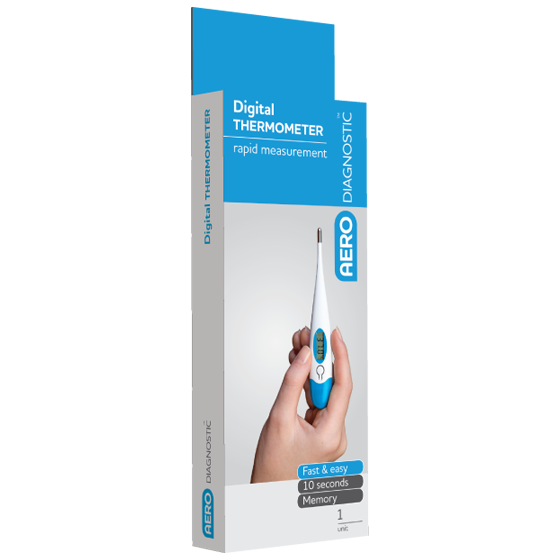
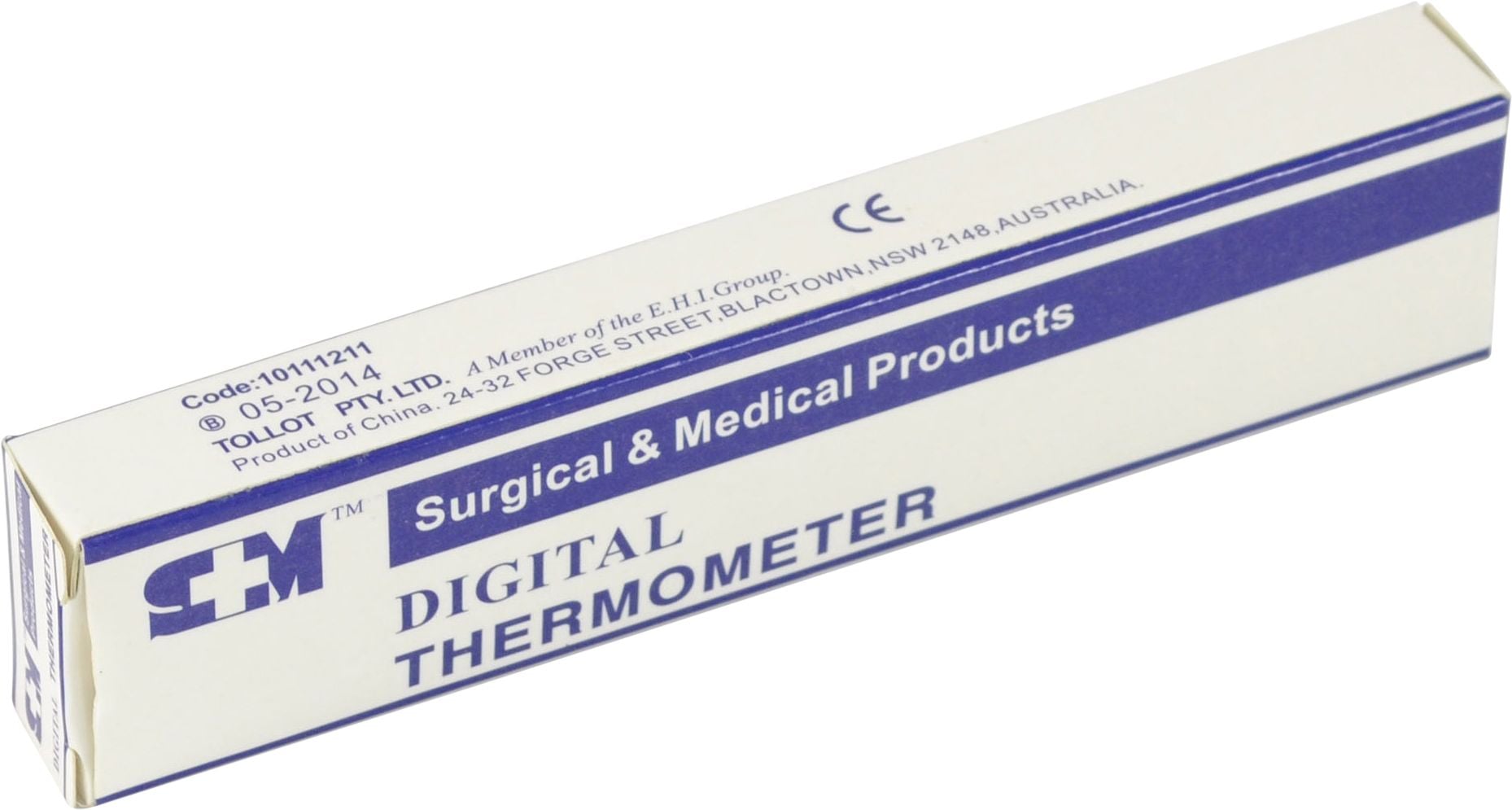
Digital oral / axilla / rectal thermometers
How they work
A digital thermometer uses a tiny electronic sensor (thermistor) at the probe tip to measure temperature by electrical resistance. Reading takes 10-60 seconds depending on the model.
Best for
- Babies under 3 months (axillary use as per Australian paediatric guidelines).
- Older children and adults wanting a low-cost, reliable family thermometer.
- Clinical use where probe covers and alcohol cleaning are standard.
Pros and cons
Pros: highly accurate, inexpensive, simple, no calibration needed.
Cons: slow (especially axilla), requires cooperation, cross-infection risk without probe covers.
Infrared forehead (no-contact) thermometers
How they work
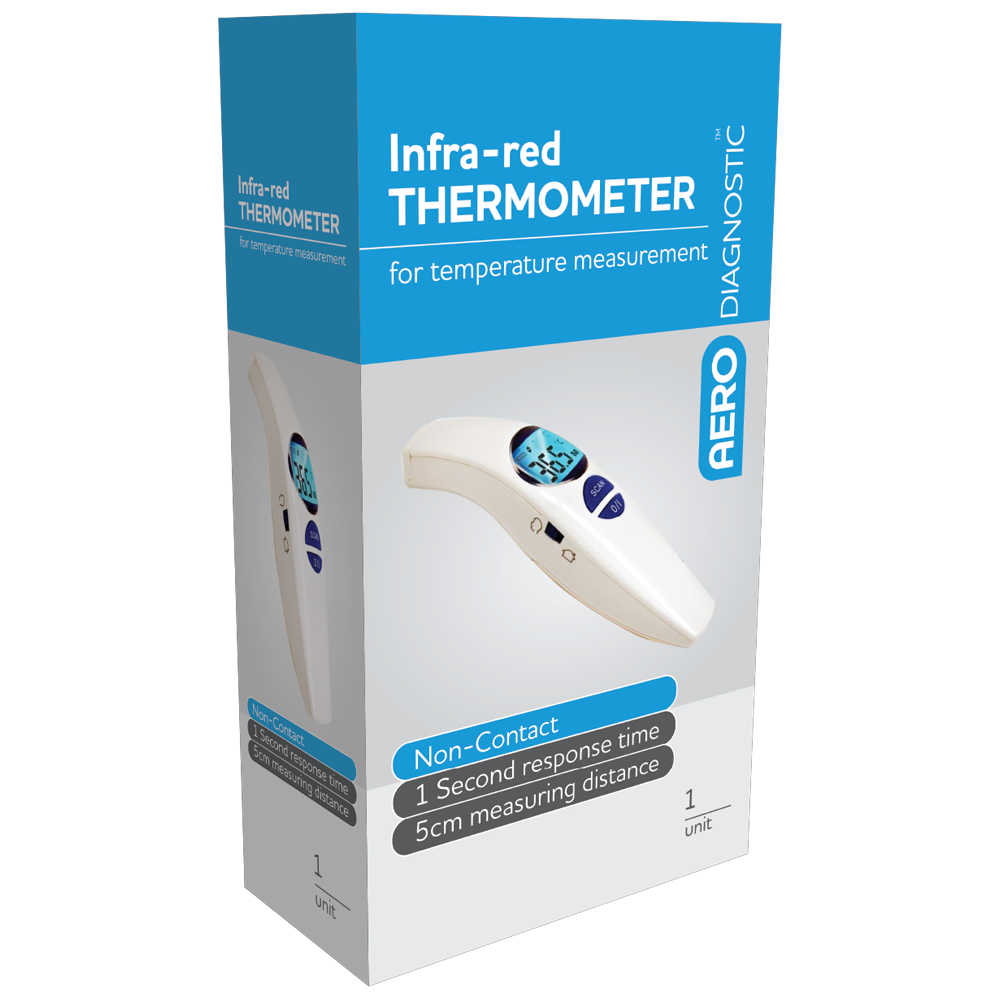
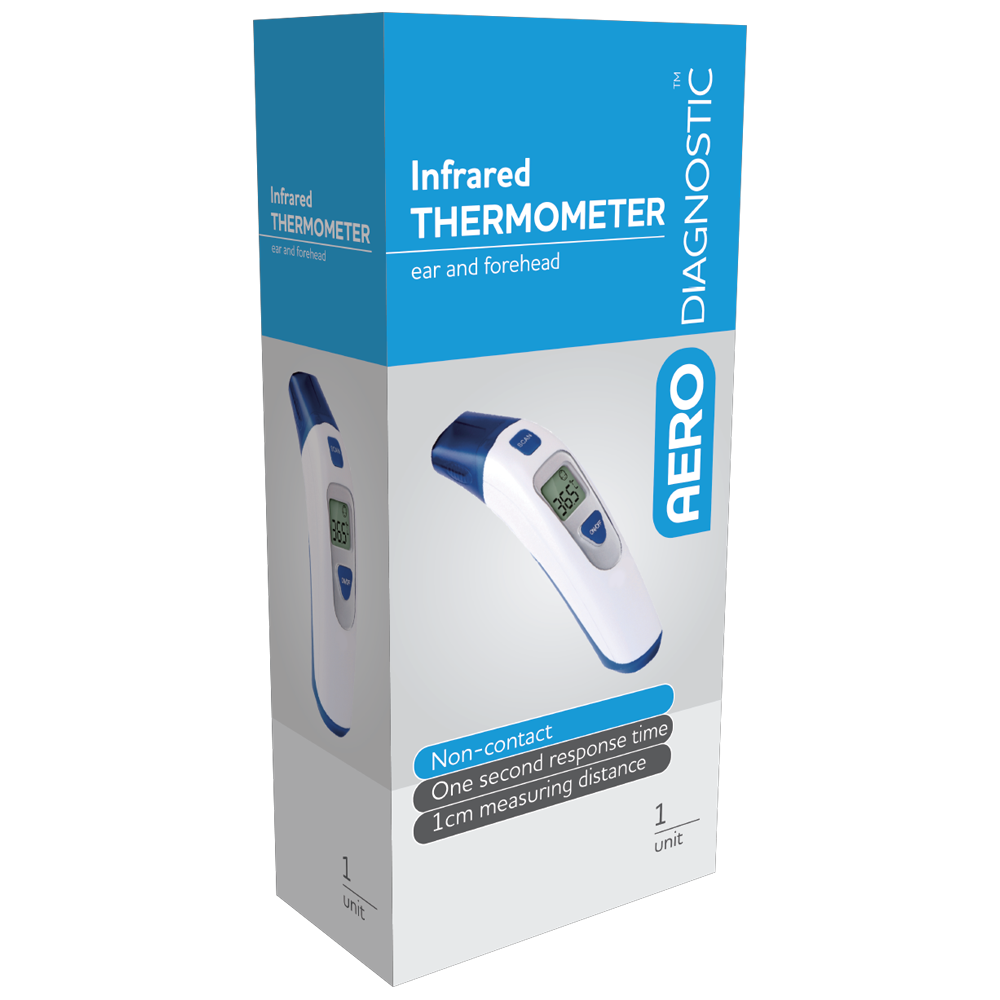
Infrared forehead thermometers measure the infrared radiation emitted by the temporal artery 1-3cm under the skin. They deliver a reading in 1-2 seconds without touching the skin.
Best for
- Households with multiple users (no cross-contamination).
- Childcare centres, schools and entry-point fever screening.
- Children who won't sit still for an oral or armpit thermometer.
- Carers checking a sleeping baby without waking them.
Pros and cons
Pros: no contact, no probe covers, very fast, multi-user safe.
Cons: more expensive than digital, affected by sweat / room temperature / drafts, may read 0.2-0.5C lower if not corrected for.
Tympanic (ear) thermometers
How they work
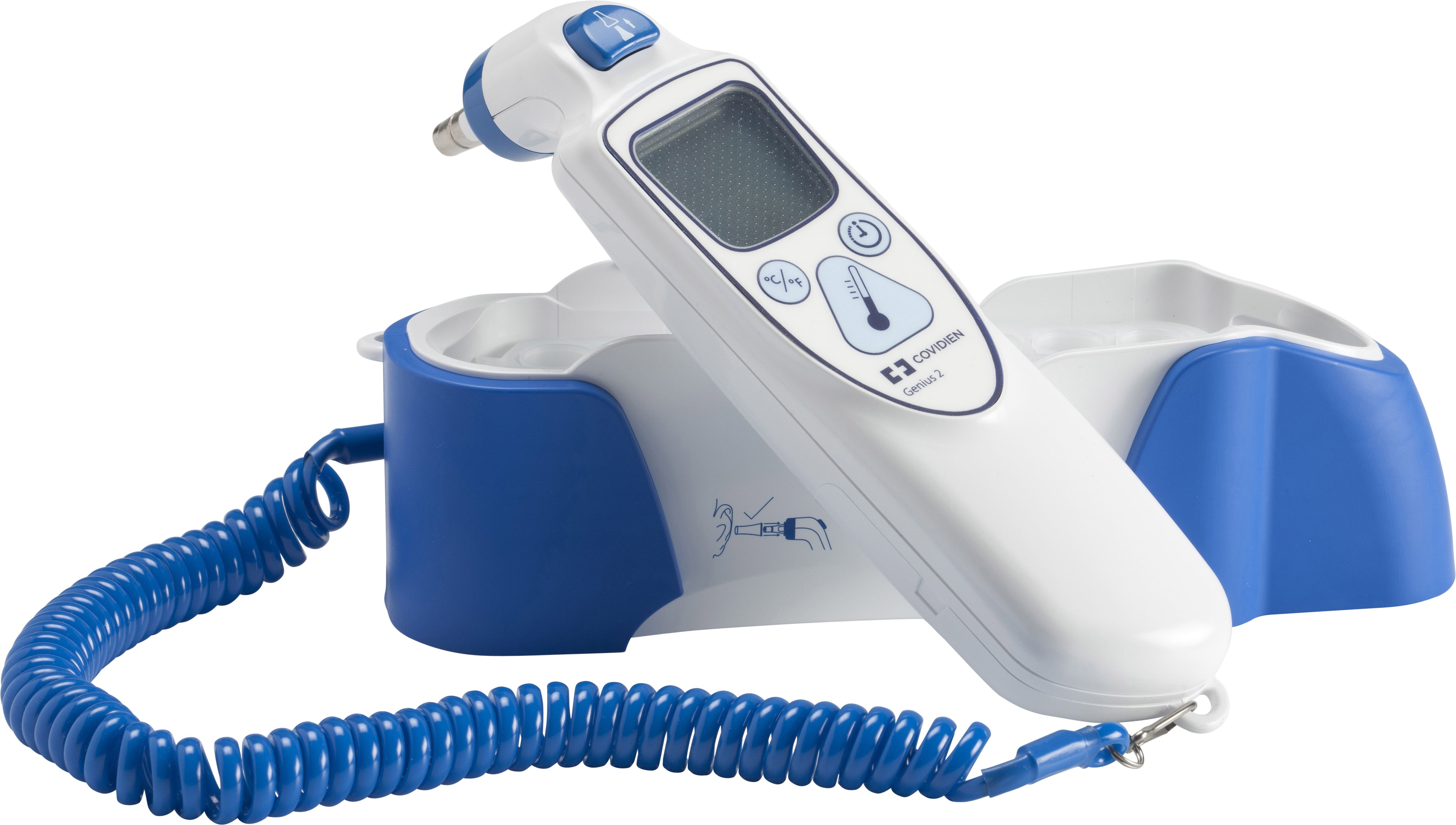
Tympanic thermometers measure infrared radiation from the eardrum surface via a probe inserted into the ear canal. The eardrum shares its blood supply with the brain, so tympanic readings correlate closely with core body temperature.
Best for
- Children over 6 months and adults.
- Clinical settings (GP clinics, urgent care, aged care).
- Households wanting a fast, accurate everyday thermometer with disposable probe covers.
Pros and cons
Pros: very accurate, 1-3 second reading, well-tolerated by children.
Cons: requires correct technique (ear canal pulled up and back), not suitable for babies under 6 months, needs probe covers, more expensive.
Stick-on forehead strips
How they work
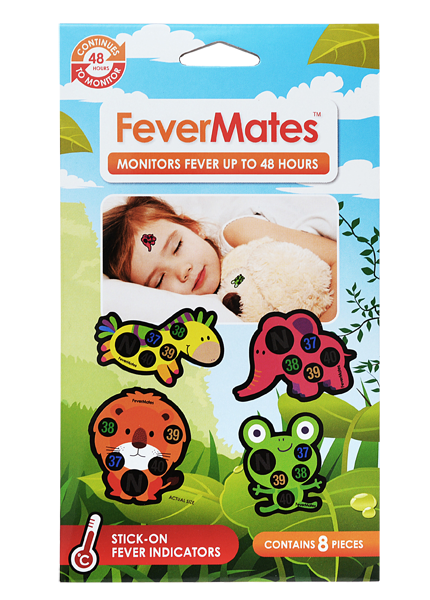
Forehead temperature strips (like Fevermates) use liquid-crystal patches that change colour at specific temperatures. They are pressed to the forehead for 15 seconds.
Best for
- Trend monitoring (is the temperature going up or down).
- Travel and backup use.
- Carers who want a non-electronic option.
Pros and cons
Pros: very cheap, no batteries, disposable / hygienic.
Cons: not as accurate as digital or infrared - useful for indicating fever direction but not for clinical decisions.
Specialist thermometers
Basal body temperature thermometers
Basal thermometers (like the Eudemon Digital Basal) measure to 0.01C precision for tracking ovulation and natural family planning. Read first thing in the morning before getting out of bed.
Probe covers and accessories
Tympanic and oral thermometers used in clinics require dedicated probe covers (different models for different brands). Stock up on Thermoscan covers for Braun / Welch Allyn ear thermometers and Suretemp covers for Welch Allyn oral spot thermometers.
How to choose the right thermometer
By age group
- Under 3 months: digital thermometer (axillary use), or see a doctor for rectal measurement.
- 3 to 6 months: infrared forehead or digital thermometer.
- 6 months to 5 years: infrared forehead or tympanic thermometer.
- 5 years and older / adults: any type - digital, infrared, tympanic.
By setting
- Home family use: infrared forehead (fast, multi-user) plus a basic digital backup.
- Workplace first aid kit: infrared forehead thermometer (no contact).
- Clinic / aged care: tympanic thermometer with probe covers + secondary infrared.
- Childcare centre: infrared forehead - one device, multiple kids, no probe covers needed.
By budget
- Budget ($5-30): digital thermometer or Fevermates stick-on strips.
- Mid-range ($60-200): infrared forehead or basic tympanic.
- Premium ($300+): clinical-grade tympanic (Genius 2) with calibration.
How to use a thermometer correctly
Digital oral and axilla
- Wait 15 minutes after eating, drinking or smoking.
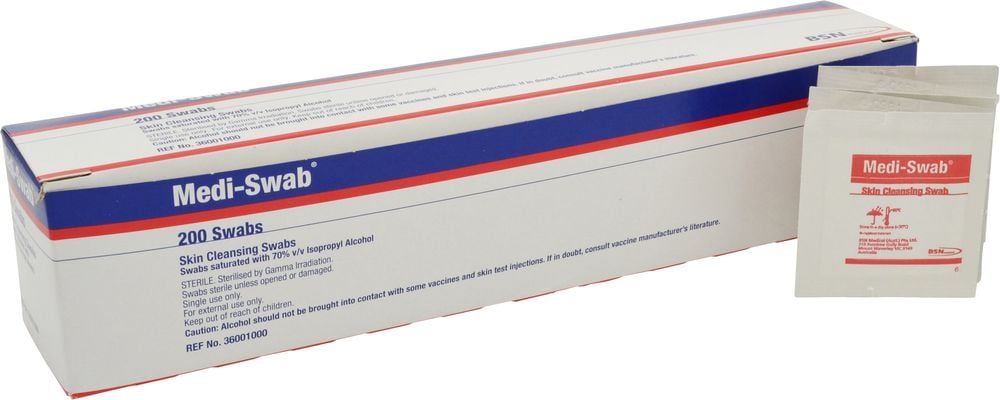
- Wipe with an alcohol wipe (70% isopropyl) before use.
- Place under the tongue (oral) or in the centre of the armpit with arm pressed against the body (axilla).
- Wait for the beep (usually 30-60 seconds).
- Read, clean and store.
Infrared forehead
- Wipe the lens with an alcohol wipe.
- Hold 1-3cm from the centre of the forehead (above the brow).
- Ensure forehead is dry and clear of sweat or hair.
- Press the trigger and hold steady for 1-2 seconds.
- Read the display.
Tympanic ear
- Attach a fresh disposable probe cover.
- For children over 1: gently pull the ear up and back to straighten the ear canal.
- Insert the probe snugly into the ear canal.
- Press the trigger; reading appears in 1-2 seconds.
- Discard the probe cover.
When to see a doctor about a fever
See your GP or attend an emergency department if:
- An infant under 3 months has any temperature above 38.0C.
- A child has fever lasting more than 48 hours, or above 39.5C.
- An adult has fever above 39.0C, or fever with severe headache, neck stiffness, rash, breathing difficulty or confusion.
- Fever returns after a brief improvement (biphasic fever).
- Fever occurs in someone with a compromised immune system or recent overseas travel.
For everyday fever management at home see our cold and flu first aid guide.
Frequently asked questions
Which thermometer is most accurate for adults?
For adults, digital oral thermometers and tympanic (ear) thermometers are the most accurate, with infrared forehead thermometers a close second. Mercury thermometers are no longer recommended due to safety concerns. Always wait 15 minutes after eating or drinking before taking an oral reading.
What is the best thermometer for a baby?
For babies under 3 months, a digital thermometer used in the axilla (armpit) is recommended by Australian paediatric guidelines, with rectal use giving the most accurate core temperature. From 3 months onwards, infrared forehead thermometers and tympanic ear thermometers are practical and gentle. Avoid forehead strips for any febrile illness assessment - they indicate trend, not actual temperature.
Are infrared forehead thermometers accurate?
Modern infrared forehead thermometers are clinically accurate when used correctly - hold 1-3cm from the forehead, in a draught-free room, on dry skin. They can read 0.2-0.5C lower than oral or rectal readings, so most models correct internally. Sweat, fans, makeup or recent outdoor cold exposure can affect accuracy.
What temperature counts as a fever?
A temperature of 38.0C (100.4F) or higher measured orally, rectally or in the ear is generally considered a fever in adults and children. Axillary (armpit) readings run 0.3-0.6C lower, so 37.5C in the armpit may indicate fever. Infants under 3 months with any fever above 38.0C should be seen by a doctor urgently.
How often should you clean a thermometer?
Clean a digital or tympanic thermometer with an alcohol wipe (70% isopropyl) before and after every use to prevent cross-infection. Replace probe covers if used. For ear thermometers, never share without a fresh disposable probe cover. Wash hands before and after each use.
Sources: healthdirect.gov.au — Fever, Royal Children's Hospital Melbourne — Fever in children, Australian Government Health — Children's health, St John Ambulance — First aid fact sheets.